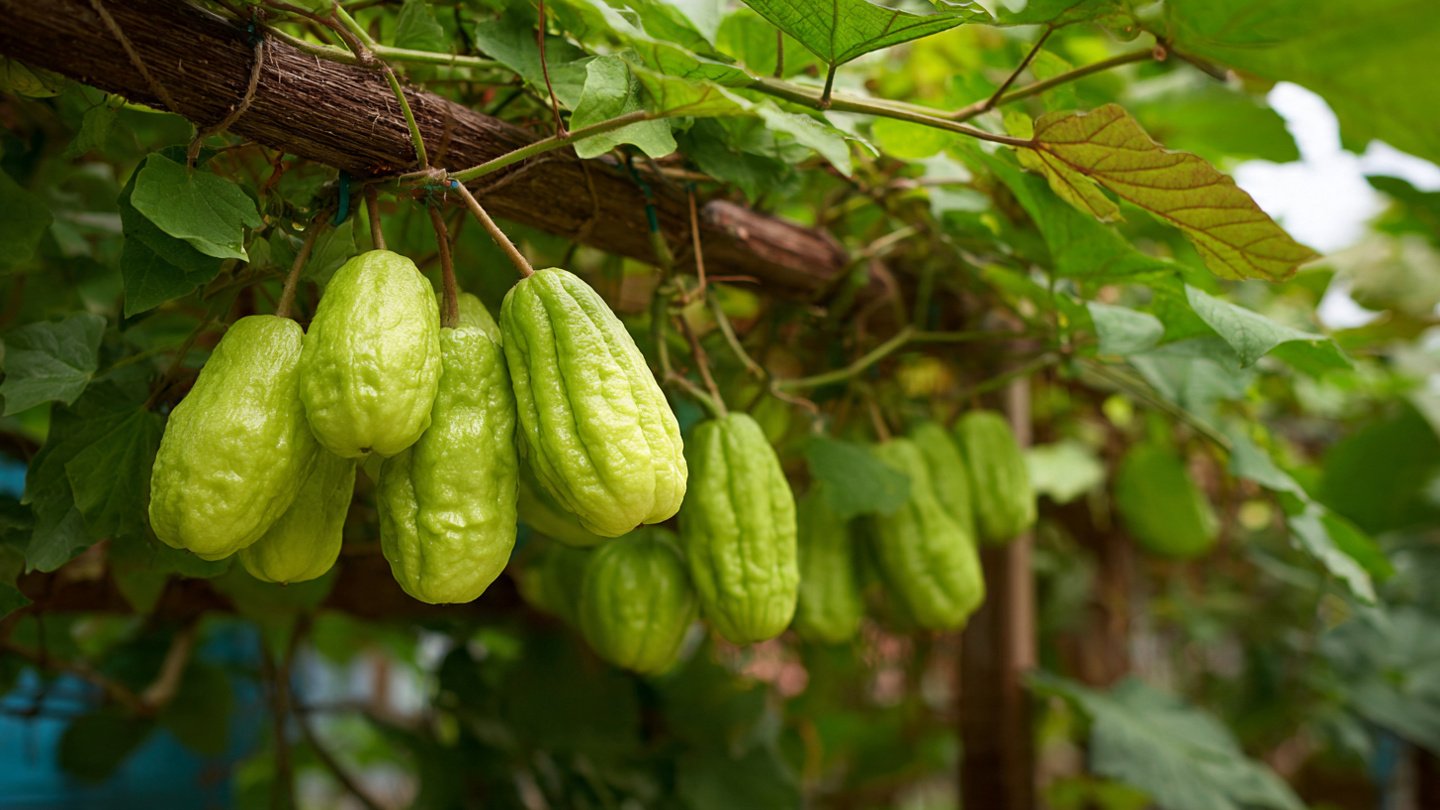
Chayote (Sechium edule), also known as vegetable pear, chow chow, or mirliton, is one of the most productive and versatile climbing vegetables you can grow at home. What surprises many gardeners is that chayote doesn’t need a large farm or open field to thrive. With the simple tub method, you can grow chayote continuously—producing lush vines and endless harvests all year, even in small spaces.
This guide explains exactly how the tub method works, why it is so effective, and how you can use it to grow healthy, high-yield chayote plants at home with minimal effort.
Why Chayote Is Perfect for Container Growing
Chayote is a perennial vine in warm climates and can produce for many months when grown correctly. It has several qualities that make it ideal for tub cultivation:
- Grows vigorously in confined root spaces
- Produces continuously once established
- Climbs vertically, saving ground space
- Requires minimal replanting
- Thrives in organic, moisture-retentive soil
Unlike many vegetables, chayote grows from the entire fruit, making propagation extremely simple and beginner-friendly.
What Is the Tub Method?
The tub method involves growing chayote in a large plastic tub, drum, or container instead of directly in the ground. This controlled environment allows you to manage soil quality, water retention, root health, and nutrient supply far more efficiently than traditional planting.
Why the tub method works so well:
- Prevents waterlogging and root rot
- Retains consistent moisture
- Encourages strong root development
- Makes year-round growing possible
- Protects plants from poor garden soil
With proper care, one tub-grown chayote plant can produce dozens of fruits per season.
Choosing the Right Tub
The size of the container plays a crucial role in endless production.
Ideal tub specifications:
- Capacity: 40–60 liters (10–15 gallons) minimum
- Depth: At least 18–24 inches
- Material: Plastic tubs, drums, cement pots, or grow bags
- Drainage: 6–8 holes at the bottom
Large tubs give chayote roots enough room to spread while still keeping growth manageable.
Preparing the Perfect Soil Mix
Healthy soil is the foundation of continuous chayote production.
Best soil mix for the tub method:
- 40% garden soil
- 30% well-rotted compost or cow manure
- 20% coco peat or leaf mold
- 10% sand or perlite for drainage
This mix provides nutrients, moisture retention, and aeration—exactly what chayote roots need for long-term growth.
Add a handful of neem cake or wood ash to discourage soil pests naturally.
Selecting and Sprouting the Chayote Fruit
Unlike most vegetables, chayote is planted whole.
How to choose the right fruit:
- Fully mature but not rotten
- Firm, healthy skin
- Visible sprouting at the tip (ideal but not required)
Pre-sprouting method:
- Place the chayote in a shaded, dry spot
- Leave it undisturbed for 1–3 weeks
- A strong green shoot will emerge from the top
Pre-sprouting speeds up establishment and increases success rates.
Planting Chayote in the Tub
Once the fruit has sprouted, it’s time to plant.
Step-by-step planting:
- Fill the tub with prepared soil mix
- Dig a shallow hole in the center
- Place the chayote on its side, sprout facing upward
- Cover only ⅔ of the fruit with soil
- Leave the sprout exposed
- Water gently
Do not bury the fruit completely—this prevents rot and encourages faster growth.
Supporting the Vine for Maximum Yield
Chayote is a climbing vine and needs strong support.
Best support options:
- Bamboo poles with crossbars
- Metal or wooden trellis
- Balcony railing or fence
- Overhead pergola or net
Vertical growth improves airflow, reduces disease, and encourages more flowers and fruits.
Watering for Endless Production
Consistent watering is key to year-round harvests.
Watering guidelines:
- Keep soil evenly moist, not soggy
- Water deeply 2–3 times per week
- Increase frequency during flowering and fruiting
- Reduce watering slightly in cooler months
Mulching with straw or dry leaves helps retain moisture and regulate soil temperature.
Feeding the Plant Naturally
Chayote is a heavy feeder and responds extremely well to organic nutrition.
Monthly feeding routine:
- Compost or vermicompost (top dressing)
- Liquid compost tea every 2 weeks
- Banana peel water for potassium
- Wood ash occasionally for flowering
Avoid excess nitrogen, which causes leafy growth but fewer fruits.
Flowering, Pollination, and Fruit Set
Chayote produces male and female flowers on the same plant.
To improve fruiting:
- Ensure full sunlight (6–8 hours daily)
- Avoid water stress during flowering
- Encourage pollinators with nearby flowers
- Hand-pollinate if fruit set is low
Healthy tub-grown plants often self-pollinate easily due to concentrated growth.
Harvesting Chayote for Continuous Yield
Regular harvesting encourages the plant to produce more.
Harvest tips:
- Pick fruits when medium-sized and tender
- Do not allow fruits to over-mature on the vine
- Use clean scissors to avoid vine damage
Frequent harvesting signals the plant to keep flowering and fruiting.
Year-Round Growing Tips
With the tub method, chayote can grow nearly all year in warm climates.
For cooler regions:
- Move tubs to sunny spots in winter
- Protect from frost with cloth or plastic cover
- Reduce watering during dormancy
In tropical and subtropical regions, one plant can produce continuously for 8–12 months.
Common Mistakes to Avoid
- Using small containers
- Overwatering without drainage
- Burying the fruit completely
- Weak or unstable vine support
- Ignoring regular feeding
Correcting these mistakes can double or even triple your harvest.
Benefits of the Tub Method
- Ideal for small spaces and balconies
- Requires no digging or permanent beds
- Easy soil and pest control
- Portable and flexible
- Produces more fruit per plant
This method is perfect for urban gardeners and home growers seeking maximum output with minimal space.
Conclusion
The simple tub method transforms chayote into a high-yield, low-effort vegetable that produces endlessly with proper care. By combining the right container size, nutrient-rich soil, consistent watering, and vertical support, you can enjoy fresh chayote almost all year long—right from your home garden.
Once established, a single chayote plant can become one of the most productive crops you’ve ever grown. Whether you’re gardening on a balcony, terrace, or small backyard, this method proves that abundant harvests don’t require large land—just smart techniques.
If you’ve been looking for a reliable, space-saving way to grow chayote continuously, this tub method is the solution worth trying.