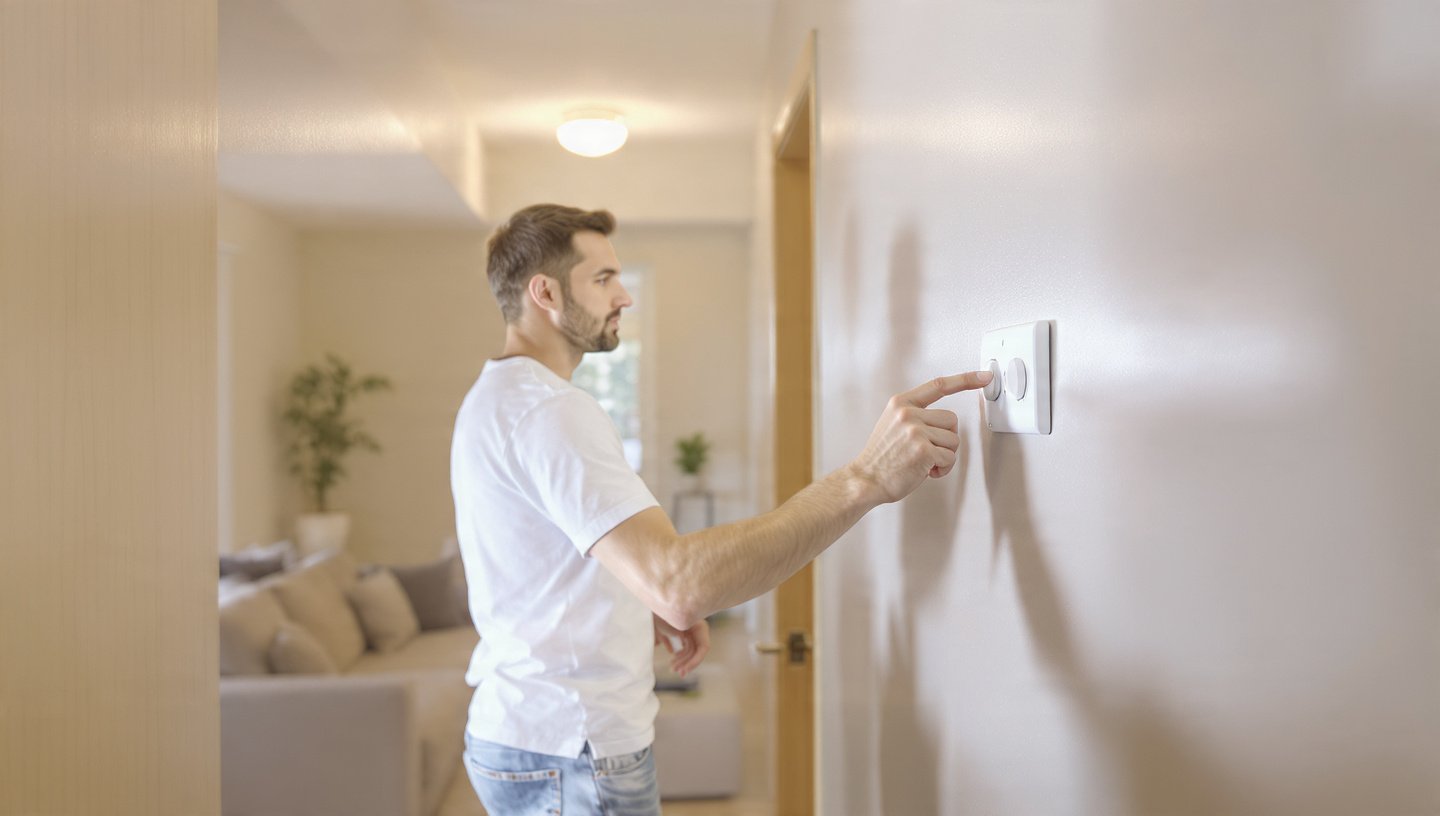
In today’s fast-paced world, energy consumption has become a major concern for households, businesses, and governments alike. Rising energy bills, environmental degradation, and the urgent need to reduce greenhouse gas emissions have prompted many to look for practical ways to save energy. Surprisingly, one simple action can make a significant difference—not only in reducing energy consumption but also in lowering costs and contributing to a healthier planet.
Understanding Energy Consumption
Energy powers our daily lives. From lighting our homes and running appliances to heating, cooling, and transportation, energy is everywhere. In households, appliances like refrigerators, air conditioners, water heaters, and lighting systems account for the majority of electricity usage. In industrial and commercial settings, machinery, HVAC systems, and computers contribute significantly to overall energy demand.
The more efficiently we use energy, the less fuel we burn, the lower our carbon footprint, and the smaller our electricity bills. While many people associate energy savings with expensive upgrades—like solar panels, high-efficiency appliances, or smart home systems—the truth is that small behavioral changes can have a surprisingly large impact.
The Simple Action: Turning Off Idle Electronics and Appliances
One of the simplest yet most effective actions to reduce energy consumption is to turn off electronics and appliances when they are not in use. This may seem obvious, but studies show that many households and workplaces leave devices on standby or forget to switch off appliances entirely. These “phantom loads” or “standby power” drains energy continuously, even when the devices appear to be off.
Examples of common sources of standby energy consumption include:
- Televisions and set-top boxes
- Computers and laptops
- Gaming consoles
- Microwave ovens, coffee makers, and toasters
- Chargers left plugged in without devices attached
Research indicates that standby power can account for 5% to 10% of household energy consumption, depending on the number of devices. In some homes with multiple electronic devices, this can translate to hundreds of kilowatt-hours per year, resulting in significant unnecessary energy use and higher electricity bills.
How This Simple Action Saves Energy
Turning off devices completely instead of leaving them on standby prevents them from consuming electricity needlessly. Unlike appliances that only consume power when actively running, devices in standby mode draw a small but continuous flow of electricity. Over time, this adds up to a significant portion of total household energy use.
Consider this example:
- A TV in standby mode consumes about 3–5 watts.
- A set-top box may consume 10–15 watts when idle.
- A typical household with 10 such devices in standby mode could be wasting 150–200 watts continuously.
Over 24 hours, that’s 3.6 to 4.8 kilowatt-hours per day, or over 1,300 kWh per year—enough to power a medium-sized home for a month! Turning these devices off completely, or using a smart power strip, can dramatically reduce this unnecessary energy drain.
Smart Power Strips and Energy-Saving Devices
One practical way to make turning off idle devices easier is to use smart power strips. These devices automatically cut off electricity to appliances when they are not in use or when the main device (like a TV) is turned off. They eliminate the need to unplug devices manually, making energy savings convenient and effortless.
Other energy-saving tools include:
- Timers: Set appliances like water heaters or lamps to turn off automatically during periods of inactivity.
- Smart plugs: Control devices remotely and schedule them to turn off using smartphone apps.
- Energy monitors: Track real-time electricity usage and identify which devices consume the most power.
By incorporating these tools, households can reduce both wasted energy and monthly electricity costs significantly.
Behavioral Changes That Amplify Savings
Turning off idle devices is a single action, but combining it with other energy-conscious behaviors enhances its impact. Some effective strategies include:
- Unplug Chargers When Not in Use: Phone, tablet, and laptop chargers continue to draw energy even when devices are fully charged.
- Optimize Heating and Cooling: Turn off fans, heaters, or air conditioners when leaving a room. Use programmable thermostats to automate this process.
- Use Energy-Efficient Lighting: Replace incandescent bulbs with LEDs, which consume less electricity and generate less heat.
- Schedule Laundry and Dishwashing: Run washing machines and dishwashers only when full, and avoid peak electricity hours if possible.
- Maintain Appliances: Regularly clean and maintain refrigerators, air conditioners, and other devices to ensure efficient operation.
Each small behavior contributes cumulatively to substantial energy savings, complementing the simple action of turning off idle electronics.
Environmental Benefits
Reducing energy consumption through this simple action does more than just save money—it also protects the environment. Electricity generation, particularly from fossil fuel sources like coal, oil, and natural gas, produces greenhouse gases such as carbon dioxide (CO2), which contribute to climate change.
By cutting energy waste:
- Fewer fossil fuels are burned, reducing greenhouse gas emissions.
- Air quality improves due to lower levels of pollutants from power plants.
- Natural resources, such as coal and natural gas, are conserved.
Even a single household can make a measurable difference over time. When multiplied across millions of households, this small action becomes a major step toward a sustainable future.
Economic Advantages
Beyond environmental benefits, reducing energy consumption also saves money. On average, a household can save $100–$200 annually simply by turning off idle appliances and electronics. For businesses, the savings can be even more significant, reducing operational costs and enhancing profit margins.
Furthermore, lower energy demand can ease strain on the electrical grid, potentially reducing the risk of blackouts and lowering electricity prices for everyone. Energy efficiency is thus not just a personal benefit but a societal one.
Overcoming Common Obstacles
Despite the simplicity and effectiveness of turning off idle devices, some people hesitate due to perceived inconvenience. Common barriers include:
- Forgetting to switch off multiple devices
- Desire for convenience, such as leaving the TV or computer ready for immediate use
- Lack of awareness about standby power consumption
Fortunately, these obstacles can be addressed through:
- Habit formation: Create a routine of checking devices before leaving home or going to bed.
- Technological solutions: Use smart plugs, timers, and power strips to automate energy-saving actions.
- Awareness campaigns: Educate household members or employees about the benefits of reducing standby energy consumption.
By addressing these barriers, this simple action can become a consistent and effortless part of daily life.
Case Studies and Real-World Impact
Several studies highlight the impact of reducing standby power:
- A European study found that reducing standby consumption in households by 50% could save up to 10 TWh of electricity annually, equivalent to powering millions of homes.
- In Japan, national campaigns encouraging unplugging devices resulted in measurable reductions in peak electricity demand during summer months.
- In corporate offices, installing smart power strips reduced energy use in idle equipment by up to 30%, cutting costs and carbon emissions significantly.
These examples demonstrate that this small, simple action has the power to scale up and make a significant difference.
Conclusion
The quest for energy efficiency often leads people to complex solutions, expensive upgrades, or advanced technologies. Yet, sometimes the simplest actions are the most effective. Turning off idle electronics and appliances is one such action. It reduces unnecessary energy consumption, lowers electricity bills, conserves resources, and contributes to a cleaner, healthier environment.
By combining this simple practice with smart devices, behavioral adjustments, and energy-efficient appliances, individuals and businesses alike can make a meaningful impact. The cumulative effect of millions of people taking this action is enormous, contributing to a sustainable, energy-conscious future.
Ultimately, energy conservation does not have to be complicated. A small, consistent action like switching off devices when they are not in use can significantly reduce energy consumption, save money, and protect the environment. In a world where every watt counts, this simple habit is one of the most powerful tools we have for a sustainable future.