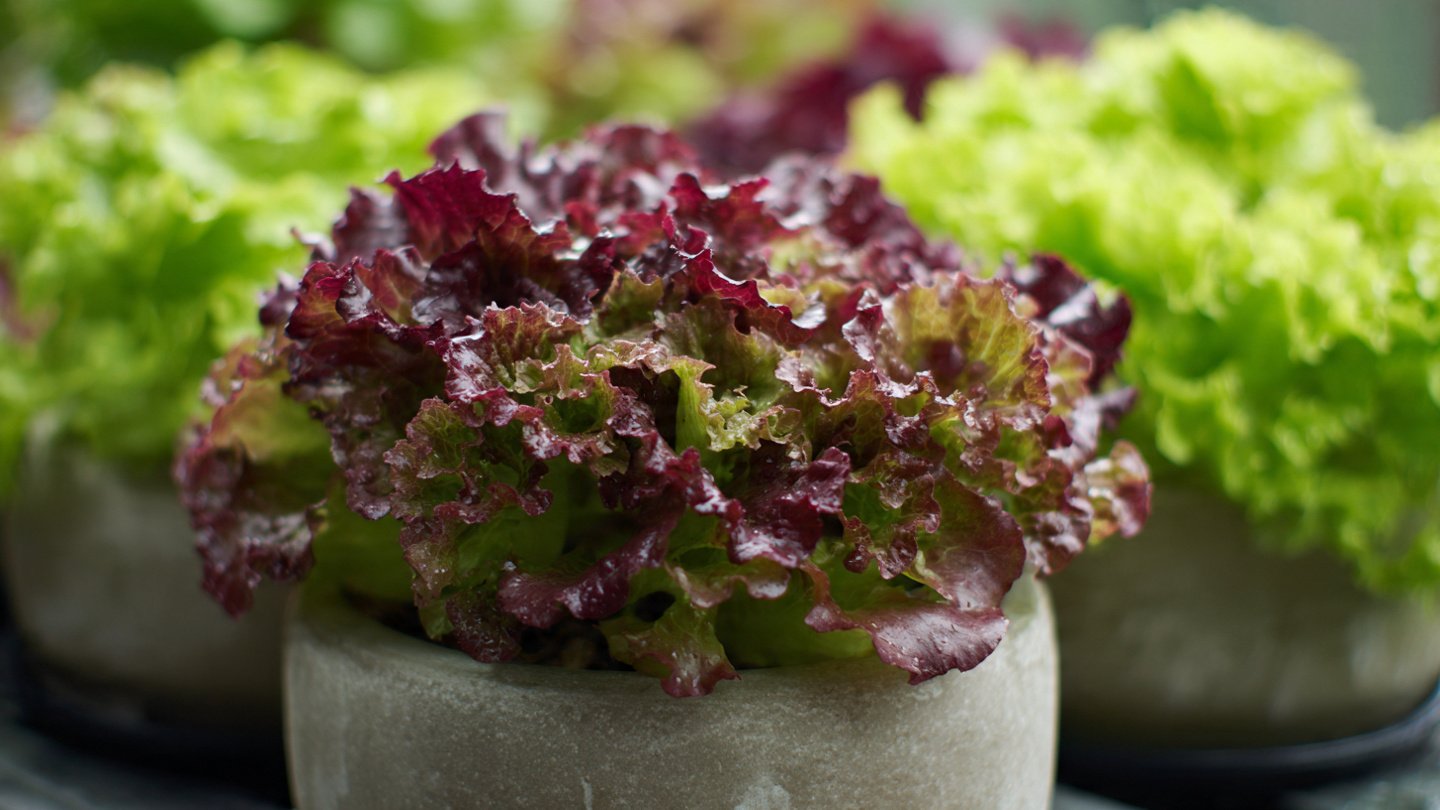
Red leaf lettuce is one of the most beautiful and rewarding vegetables you can grow in an urban garden. With its ruffled crimson leaves, fast growth, and compact size, it’s perfectly suited for pots on balconies, rooftops, patios, and windowsills. Even better, red leaf lettuce is beginner-friendly, requires minimal space, and can be harvested multiple times from the same plant.
If you live in a city and want fresh, chemical-free greens at your fingertips, this ultimate guide will walk you through everything you need to know to successfully grow red leaf lettuce in pots—from seed selection to harvest.
Why Choose Red Leaf Lettuce for Urban Gardening?
Red leaf lettuce (Lactuca sativa) is especially popular for container gardening because of its adaptability and quick turnaround.
Key Benefits:
- Thrives in containers and small spaces
- Grows well in shallow pots
- Tolerates partial shade
- Ready to harvest in as little as 30 days
- Can be cut multiple times
- Rich in antioxidants and vitamins
Its striking color also adds ornamental value, making it both a food crop and a decorative plant.
Understanding Red Leaf Lettuce Growth Habits
Red leaf lettuce is a cool-season leafy green with a shallow root system. Unlike head lettuce, it grows as loose leaves, allowing you to harvest gradually without killing the plant.
To succeed, your goal is to:
- Maintain cool soil temperatures
- Encourage continuous leaf production
- Prevent bolting (early flowering)
This makes it ideal for urban gardeners who can control growing conditions more easily with pots.
Choosing the Right Pot for Red Leaf Lettuce
Container selection plays a major role in healthy growth.
Ideal Pot Requirements:
- Depth: 6–8 inches minimum
- Width: Wider containers allow multiple plants
- Material: Plastic, ceramic, or terracotta
- Drainage: Essential—must have drainage holes
Shallow trays, window boxes, and grow bags also work well, as long as excess water can escape.
Best Soil Mix for Potted Lettuce
Lettuce thrives in light, well-draining, nutrient-rich soil.
Ideal Soil Characteristics:
- Loose and airy
- Moisture-retentive but not soggy
- Rich in organic matter
Recommended Potting Mix:
- 40% quality potting soil
- 30% compost or vermicompost
- 20% coco peat or peat moss
- 10% sand or perlite
Avoid heavy garden soil, which compacts in pots and restricts root growth.
Selecting and Preparing Seeds
Choose fresh, high-quality red leaf lettuce seeds for best results. Popular varieties for pots include ‘Red Sails’, ‘Lollo Rossa’, and ‘Red Oakleaf’.
Seed Preparation Tips:
- No soaking required
- Store seeds in a cool, dry place
- Check expiration dates—lettuce seeds lose viability quickly
Fresh seeds germinate faster and more evenly.
How to Sow Red Leaf Lettuce in Pots
Proper sowing ensures healthy seedlings.
Step-by-Step Sowing:
- Fill the pot with prepared soil mix
- Sprinkle seeds evenly on the surface
- Cover lightly with a thin layer of soil (¼ inch)
- Mist gently with water
- Place in a bright, cool location
Seeds usually germinate in 5–7 days.
Once seedlings reach 2 inches tall, thin them to allow 4–6 inches spacing between plants.
Sunlight Requirements in Urban Spaces
Red leaf lettuce prefers cool temperatures and gentle light.
Ideal Light Conditions:
- 4–6 hours of sunlight daily
- Morning sun with afternoon shade
- Bright indirect light indoors
Excessive heat or harsh sunlight can cause bitterness and bolting. In hot cities, partial shade is essential.
Watering for Crisp, Tender Leaves
Consistent moisture is critical for lettuce.
Watering Best Practices:
- Keep soil evenly moist
- Water when the top inch feels dry
- Avoid waterlogging
- Water early in the day
Uneven watering leads to bitter leaves and stress-induced bolting.
Feeding Red Leaf Lettuce in Pots
Lettuce is a light feeder but benefits from regular nutrients in containers.
Fertilization Schedule:
- At planting: compost or vermicompost
- Every 10–14 days: diluted liquid organic fertilizer
- Nitrogen-rich feeds encourage leafy growth
Avoid excessive fertilizer, which can cause weak, watery leaves.
Preventing Bolting in Urban Conditions
Bolting occurs when lettuce produces a flower stalk, making leaves bitter.
How to Prevent Bolting:
- Grow during cool seasons
- Provide afternoon shade
- Water consistently
- Harvest regularly
- Avoid overcrowding
Once bolting begins, harvest remaining leaves quickly.
Harvesting Red Leaf Lettuce Correctly
Harvesting the right way ensures continuous production.
Harvesting Methods:
- Begin harvesting when leaves are 4–6 inches long
- Use the “cut-and-come-again” method
- Cut outer leaves, leaving the center intact
- Harvest every 7–10 days
With proper care, one plant can provide multiple harvests over several weeks.
Growing Red Leaf Lettuce Indoors
Red leaf lettuce grows very well indoors, making it perfect for apartments.
Indoor Growing Tips:
- Place near a bright window or under grow lights
- Rotate pots weekly for even growth
- Ensure good airflow
- Avoid placing near heat sources
Indoor lettuce may grow slightly slower but remains tender and sweet.
Common Problems and Easy Solutions
| Problem | Cause | Solution |
|---|---|---|
| Bitter leaves | Heat or stress | Provide shade, water regularly |
| Leggy seedlings | Low light | Increase sunlight or use grow lights |
| Yellow leaves | Nutrient deficiency | Light feeding with compost tea |
| Wilting | Underwatering | Improve watering consistency |
| Pests | Aphids or mites | Neem oil or mild soap spray |
Successive Planting for Continuous Harvest
For a steady supply, practice succession planting.
How It Works:
- Sow new seeds every 2–3 weeks
- Use multiple pots or sections
- Harvest older plants while younger ones grow
This ensures fresh lettuce throughout the season.
Health Benefits of Red Leaf Lettuce
Red leaf lettuce is not just tasty—it’s highly nutritious.
Nutritional Highlights:
- Rich in antioxidants
- High in vitamins A and K
- Low in calories
- Supports digestion and hydration
Homegrown lettuce is fresher and more nutrient-dense than store-bought varieties.
Final Thoughts: Perfect Greens for Small Spaces
Growing red leaf lettuce in pots is one of the most satisfying experiences for urban gardeners. It requires little space, grows quickly, and rewards you with fresh, vibrant greens you can harvest again and again. With the right pot, soil, watering routine, and sunlight management, even the smallest balcony can become a productive salad garden.
Whether you’re a beginner or an experienced gardener, red leaf lettuce is a perfect crop to master container gardening. Start with one pot, follow these simple steps, and enjoy crisp, colorful lettuce straight from your urban garden to your plate.