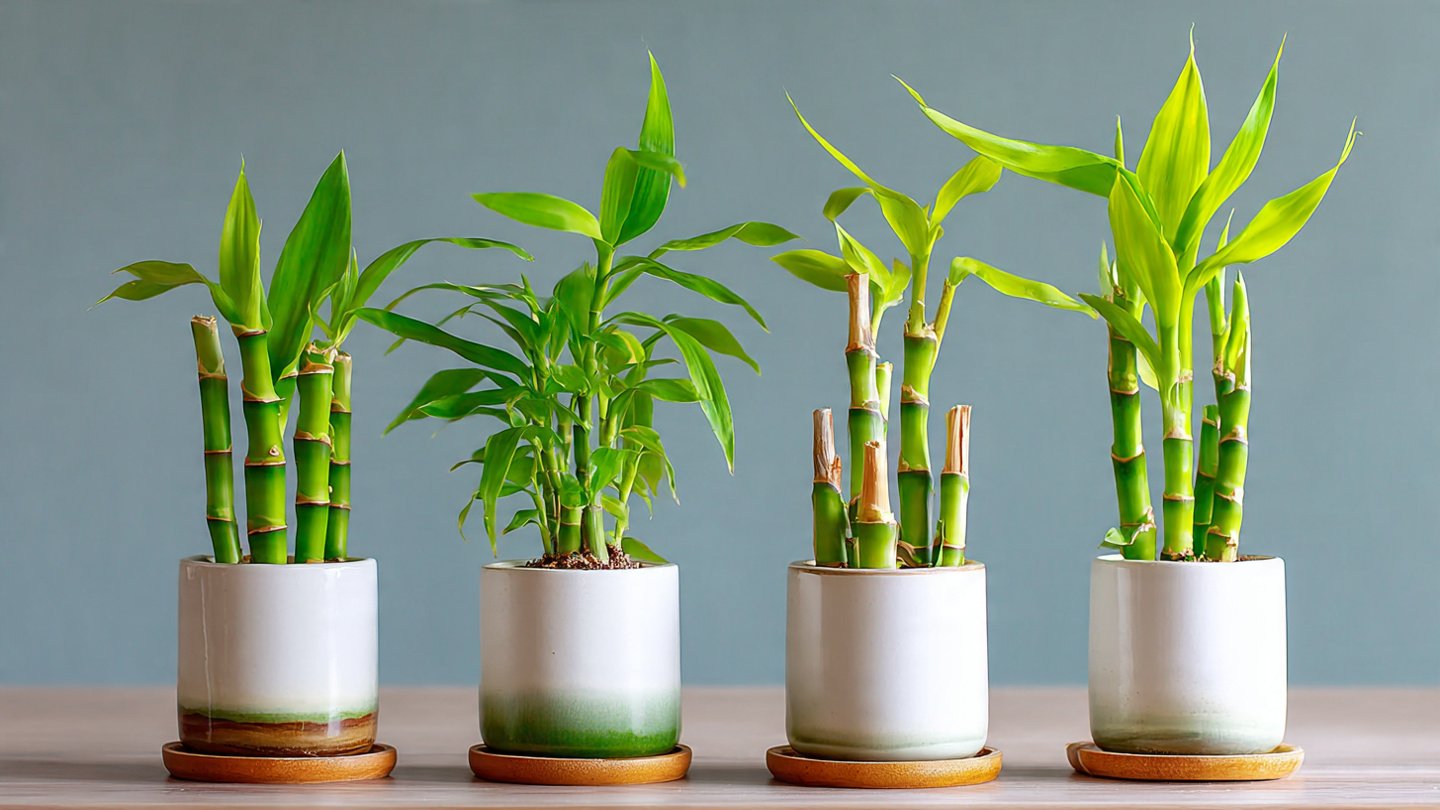
Lucky bamboo (Dracaena sanderiana) is one of the most popular indoor plants worldwide. Revered for its aesthetic appeal, ease of care, and symbolic significance—bringing luck, prosperity, and positive energy—it is a favorite for home decor. While many people grow lucky bamboo in water, cultivating it in soil can offer more stability, healthier growth, and a longer lifespan.
This comprehensive guide will explore everything you need to know to successfully grow lucky bamboo in soil, from choosing the right potting medium to proper care techniques, making it an elegant addition to your home.
1. Understanding Lucky Bamboo
Before cultivating lucky bamboo in soil, it’s essential to understand the plant’s natural growth habits:
- Botanical identity: Despite its name, lucky bamboo is not true bamboo. It belongs to the Dracaena genus, which also includes dragon trees and corn plants.
- Appearance: The plant has green, stalk-like stems and narrow leaves that grow upward in a spiral or braided pattern when trained. Its simple yet striking appearance makes it ideal for modern and traditional decor.
- Growth environment: Lucky bamboo thrives in indirect light and prefers humid, warm conditions. It is adaptable to both hydroponic (water) and soil environments, though soil cultivation provides better nutrient uptake and long-term growth.
Understanding the plant’s biology helps you create the perfect environment for indoor soil cultivation.
2. Choosing the Right Soil
The soil plays a critical role in the health of lucky bamboo:
- Well-draining medium: A mix of potting soil and sand or perlite ensures proper drainage and prevents waterlogging, which can lead to root rot.
- Nutrient-rich substrate: Lucky bamboo benefits from a soil enriched with organic matter, such as compost or peat, to provide essential nutrients.
- pH preference: Slightly acidic to neutral soil (pH 6.0–7.0) is ideal for healthy growth.
Avoid heavy clay soils, as they retain too much water and increase the risk of fungal infections. A light, airy potting medium is the key to thriving lucky bamboo.
3. Selecting the Right Container
Choosing the right pot ensures stability and aesthetic appeal:
- Material: Ceramic, clay, or glass containers are ideal. Avoid plastic pots that may retain excessive moisture or look cheap in decor settings.
- Drainage: Ensure the pot has drainage holes. Even though lucky bamboo tolerates water-logged conditions, stagnant water at the roots can harm the plant over time.
- Size: Start with a pot slightly larger than the root system. For multiple stalks, choose a container wide enough to accommodate growth.
A well-chosen container complements home decor while providing the necessary conditions for soil-based cultivation.
4. Planting Lucky Bamboo in Soil
Planting lucky bamboo in soil requires attention to detail for proper root establishment:
- Remove from water: If the plant was previously grown in water, gently rinse the roots to remove algae or residues.
- Potting technique: Fill the pot with a prepared soil mix, place the plant in the center, and gently cover the roots with soil. Firm lightly to provide stability but avoid compacting the soil.
- Support structure: Use bamboo sticks or stakes if growing braided or spiraled stems to maintain shape during establishment.
- Initial watering: Water thoroughly after planting to settle the soil around the roots.
Following these steps ensures that lucky bamboo adapts quickly to its new soil environment.
5. Light Requirements
Lucky bamboo thrives under indirect light:
- Indirect sunlight: Place the plant near a window with filtered light. Direct sunlight can scorch leaves, while too little light slows growth.
- Artificial light: In rooms with limited natural light, fluorescent or LED grow lights can support photosynthesis.
- Rotation: Rotate the pot every few weeks to ensure even light distribution and symmetrical growth.
Proper light conditions enhance leaf color, stem strength, and overall plant vigor.
6. Watering Techniques
Soil-grown lucky bamboo requires consistent yet careful watering:
- Consistent moisture: Keep the soil slightly moist but never soggy. Overwatering can cause root rot, while dry soil may stress the plant.
- Water type: Use filtered, distilled, or rainwater to avoid chlorine or fluoride damage, which can cause leaf tips to brown.
- Watering frequency: Typically, watering once a week is sufficient, but adjust according to ambient temperature and humidity.
Monitoring soil moisture is key to maintaining healthy roots and lush foliage.
7. Fertilization for Healthy Growth
While lucky bamboo is low-maintenance, occasional fertilization promotes vibrant leaves and strong stems:
- Liquid fertilizer: Use a diluted, balanced fertilizer (10-10-10 or 20-20-20) once a month during the growing season.
- Slow-release fertilizer: For longer-term feeding, incorporate a small amount of slow-release fertilizer into the soil.
- Avoid over-fertilizing: Excess fertilizer can burn roots or cause rapid, weak growth. Always follow recommended dosages.
Balanced nutrition supports year-round growth and maintains the plant’s ornamental appeal.
8. Pruning and Maintenance
Regular maintenance keeps soil-grown lucky bamboo attractive and healthy:
- Leaf trimming: Remove yellow or damaged leaves to maintain visual appeal and prevent disease spread.
- Stem pruning: Cut overly long stems at a 45-degree angle to encourage bushier growth.
- Cleaning: Dust leaves occasionally to allow for better light absorption and prevent pests.
Pruning not only improves appearance but also strengthens the plant for indoor decor.
9. Temperature and Humidity Considerations
Lucky bamboo prefers a stable indoor environment:
- Optimal temperature: 65–90°F (18–32°C) is ideal. Avoid placing the plant near cold drafts, air conditioning vents, or heaters.
- Humidity: Moderate humidity levels support lush leaf growth. In dry conditions, mist leaves lightly or place the pot on a humidity tray.
- Seasonal care: During winter, reduce watering slightly and avoid sudden temperature changes.
Stable environmental conditions prevent stress and ensure continuous growth.
10. Pests and Diseases
Soil-grown lucky bamboo is generally resilient, but some pests and diseases can affect its health:
- Common pests: Spider mites, aphids, and mealybugs may attack leaves or stems. Wipe leaves with a damp cloth or use insecticidal soap.
- Fungal infections: Overwatering or poor ventilation can cause root rot or leaf spots. Ensure proper drainage and avoid water accumulation at the base.
- Preventive care: Keep the plant clean, provide good airflow, and monitor soil moisture to prevent issues.
Early detection and proper care keep your lucky bamboo thriving in a soil environment.
11. Styling Lucky Bamboo for Home Decor
One of the main advantages of soil-grown lucky bamboo is its versatility in home decor:
- Braided or twisted stems: Train stems into intricate patterns for visual interest.
- Multiple stalk arrangements: Group stalks in odd numbers (3, 5, 7) to create a balanced and harmonious display.
- Decorative containers: Use ceramic pots, glass bowls, or pebble-filled vases to complement your interior design.
- Combination with other plants: Pair with moss, ferns, or small succulents for a mini indoor garden effect.
Thoughtful styling transforms your lucky bamboo into a living decor element that enhances your home’s ambiance.
12. Long-Term Care and Repotting
Soil-grown lucky bamboo can thrive for many years with proper care:
- Repotting: Every 2–3 years, transfer the plant to fresh soil to replenish nutrients and prevent root crowding.
- Propagation: Cut healthy stems to create new plants for other rooms or as gifts. Place cuttings in soil or water until roots develop.
- Monitoring growth: Check periodically for root health, leaf color, and overall plant balance to maintain aesthetic appeal.
Long-term attention ensures your lucky bamboo remains a sustainable and attractive part of your home decor.
Conclusion
Growing lucky bamboo in soil offers numerous advantages over water-based cultivation, including stronger roots, better nutrient uptake, and a longer lifespan. By understanding the plant’s needs—well-draining soil, indirect light, consistent moisture, balanced fertilization, and regular pruning—you can successfully cultivate healthy, vibrant bamboo that enhances your home decor.
Whether used as a tabletop centerpiece, a decorative floor plant, or a gift symbolizing luck and prosperity, soil-grown lucky bamboo combines beauty, symbolism, and longevity. With consistent care, attention to environmental conditions, and thoughtful styling, this elegant plant can transform your living space into a serene, green oasis.
Adopting these techniques ensures that your lucky bamboo not only survives but thrives, making it a sustainable and visually captivating addition to any home interior.