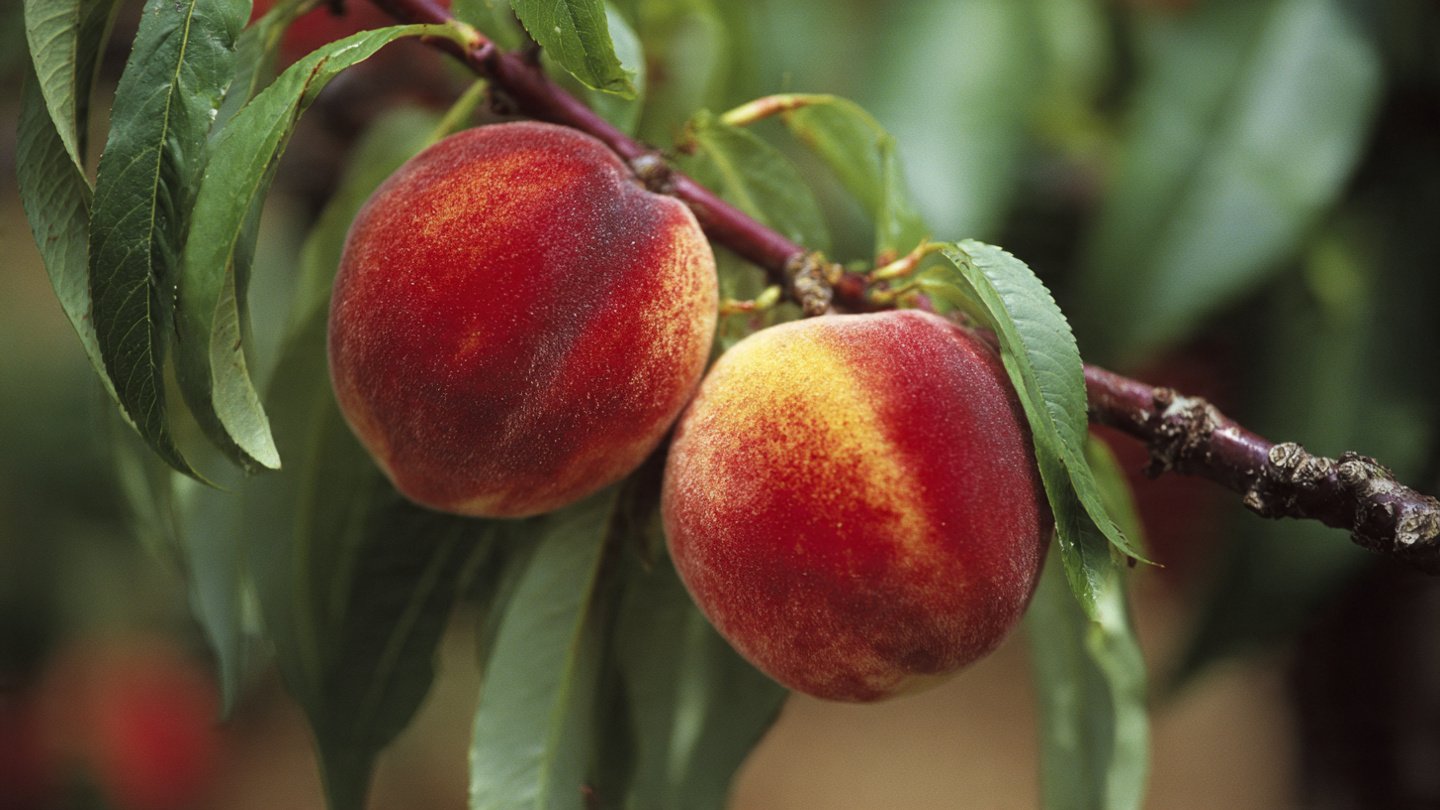
Growing peaches in Canada may sound like a challenge, but with the right varieties, smart planning, and climate-appropriate care, it is absolutely possible. Thanks to the development of cold-hardy peach cultivars and improved growing techniques, Canadian gardeners from southern Ontario to parts of British Columbia and the Prairies can enjoy fresh, homegrown peaches year after year.
This ultimate guide will walk you through everything you need to know about successfully growing hardy peaches in Canadian climates—covering variety selection, planting, seasonal care, winter protection, and long-term maintenance—so your peach trees thrive all year round.
Understanding the Challenges of Growing Peaches in Canada
Peach trees are traditionally associated with warm, temperate climates, but Canadian conditions present unique challenges:
- Cold winters with temperatures below –25°C
- Late spring frosts that damage blossoms
- Shorter growing seasons
- Variable snowfall and freeze-thaw cycles
Despite these hurdles, peaches can flourish when gardeners choose cold-hardy varieties and follow climate-specific care practices.
Choosing the Right Hardy Peach Varieties
Selecting the correct peach variety is the single most important step for success in Canada.
Best Cold-Hardy Peach Varieties for Canada
- Reliance Peach – Extremely cold-hardy (down to –30°C), reliable producer
- Redhaven Peach – Popular in southern Ontario, excellent flavor
- Harbelle Peach – Canadian-developed variety, frost-resistant blooms
- Veteran Peach – Hardy and disease-resistant, ideal for home gardens
- Madison Peach – Late-blooming, helps avoid spring frost damage
These varieties are specifically bred to tolerate colder temperatures and shorter summers.
Ideal Growing Zones in Canada
Peaches grow best in Canadian Plant Hardiness Zones 5–7, including:
- Southern Ontario
- Niagara Peninsula
- Southern Quebec
- Okanagan Valley (BC)
- Sheltered urban microclimates
Gardeners in colder regions can still succeed by using containers, greenhouses, or extra winter protection.
Site Selection: Location Matters
Peach trees need the warmest and sunniest location available.
Best Placement Tips
- Choose a south-facing location
- Ensure 6–8 hours of direct sunlight daily
- Plant near a wall or fence to reflect heat
- Avoid frost pockets or low-lying areas
Good air circulation helps prevent fungal diseases, while sunlight ensures proper fruit development.
Soil Preparation for Hardy Peach Trees
Healthy soil is essential for strong roots and fruit production.
Ideal Soil Conditions
- Well-draining loamy soil
- Slightly acidic pH (6.0–6.8)
- Rich in organic matter
Soil Preparation Steps
- Test soil pH and amend if needed
- Mix compost or well-rotted manure into planting area
- Avoid heavy clay or waterlogged soil
- Use raised beds if drainage is poor
Peaches dislike wet feet, especially during cold seasons.
Planting Peach Trees in Canada
Best Time to Plant
- Spring planting is strongly recommended in Canada
- Plant after the last frost but before hot summer weather
- Fall planting is risky due to harsh winters
Planting Steps
- Dig a hole twice as wide as the root ball
- Keep graft union 5–7 cm above soil level
- Backfill with amended soil
- Water deeply after planting
- Mulch to retain moisture and regulate temperature
Proper planting sets the foundation for decades of healthy growth.
Growing Peaches in Containers (Cold Regions)
Container growing is ideal for colder parts of Canada.
Container Tips
- Use large pots (20–25 gallons)
- Choose dwarf or semi-dwarf varieties
- Use well-draining potting mix
- Move containers to shelter during winter
Containers allow trees to be overwintered in garages, cold cellars, or greenhouses.
Watering and Feeding Peach Trees
Watering Guidelines
- Water deeply once or twice a week
- Increase watering during fruit development
- Reduce watering in late fall to help harden wood
Fertilization Schedule
- Early spring: Balanced fertilizer
- Late spring: Nitrogen boost for leaf growth
- Mid-summer: Potassium-rich feed for fruit
- Avoid fertilizing after August
Organic compost, bone meal, and compost tea work well in Canadian gardens.
Pruning for Cold-Climate Success
Proper pruning improves airflow, sunlight penetration, and winter survival.
When to Prune
- Late winter or early spring (before bud break)
- Avoid pruning in fall
Pruning Goals
- Maintain open-center shape
- Remove dead, diseased, or crossing branches
- Control tree height for easy harvesting
- Encourage strong fruiting wood
Correct pruning helps trees recover from winter stress and boosts yields.
Protecting Peach Trees from Canadian Winters
Winter protection is essential for long-term success.
Winter Care Tips
- Apply thick mulch around root zone (but keep away from trunk)
- Wrap trunk with tree guards to prevent frost cracks
- Use burlap or tree wraps in extreme cold areas
- Water thoroughly before ground freezes
For container trees, move to unheated but frost-free spaces.
Preventing Spring Frost Damage
Late spring frosts are one of the biggest threats to peach blossoms.
Frost Protection Methods
- Cover trees with frost cloth overnight
- Use string lights for gentle warmth
- Water soil before frost (moist soil holds heat)
- Choose late-blooming varieties
Protecting blossoms ensures fruit set and prevents crop loss.
Pest and Disease Management in Canada
Peach trees are susceptible to several diseases, especially in humid regions.
Common Issues
- Peach leaf curl
- Brown rot
- Aphids
- Plum curculio
Natural Prevention
- Prune for airflow
- Apply dormant oil in early spring
- Use neem oil or organic sprays
- Remove fallen leaves and fruit
Good hygiene and early prevention are key to long-term tree health.
Harvesting Hardy Peaches
Peaches are ready when:
- Fruit has full color
- Flesh gives slightly to pressure
- Aroma is sweet and fragrant
Harvest gently to avoid bruising. Homegrown peaches are best eaten fresh but can also be frozen, canned, or dried.
Can You Really Grow Peaches All Year Round in Canada?
While peaches do not actively grow all year, year-round success means:
- Healthy winter dormancy
- Protected spring flowering
- Productive summer fruiting
- Proper fall hardening
With correct care in every season, peach trees remain productive year after year—even in Canada’s challenging climate.
Common Mistakes to Avoid
- Planting non-hardy varieties
- Poor drainage
- Late-season fertilizing
- Skipping winter protection
- Ignoring frost warnings
Avoiding these mistakes dramatically increases success rates.
Benefits of Growing Peaches in Canada
- Fresh, chemical-free fruit
- Cost savings over store-bought peaches
- Cold-climate gardening satisfaction
- Increased property and garden value
- Connection to sustainable food growing
Homegrown peaches taste better and reward patience and care.
Conclusion
Growing hardy peaches in Canadian climates is not only possible—it’s deeply rewarding. By selecting cold-tolerant varieties, planting wisely, protecting trees through harsh winters, and managing seasonal care carefully, Canadian gardeners can enjoy sweet, juicy peaches straight from their own trees.
The key lies in working with the climate rather than against it. With thoughtful planning and year-round attention, peach trees can thrive even in regions known for snow and frost. Whether planted in the ground, raised beds, or containers, hardy peaches prove that delicious fruit can be grown far beyond traditional warm regions.
With this ultimate guide, you’re now equipped to grow peaches confidently and successfully—season after season, year after year—in Canadian climates.