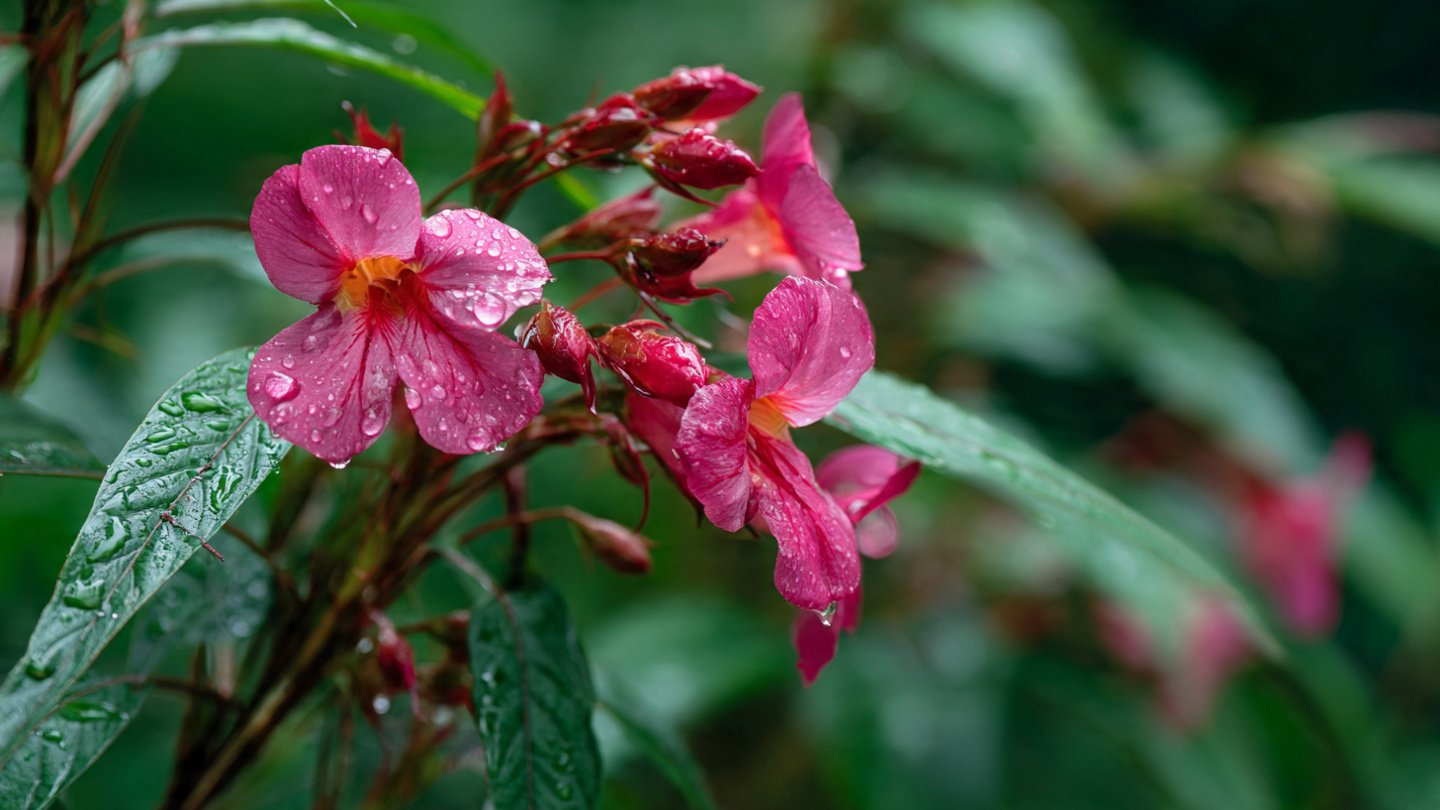
Balsam (Impatiens balsamina), also known as Rose Balsam or Garden Balsam, is one of the most rewarding flowering plants to grow during the monsoon season. With its lush foliage, vibrant blooms, and fast growth, balsam thrives in the warm, humid conditions that rains bring. For gardeners, especially beginners, monsoon is the perfect time to cultivate balsam successfully with minimal effort.
This ultimate guide will walk you through everything you need to know about growing balsam during the monsoon—from seed selection and soil preparation to care, pest control, and flowering tips—so your garden stays colorful and healthy all season long.
Why Monsoon Is the Best Season for Growing Balsam
Balsam is naturally suited to tropical and subtropical climates, making monsoon conditions ideal for its growth. The combination of consistent moisture, moderate sunlight, and warm temperatures creates the perfect environment for quick germination and lush flowering.
Benefits of Monsoon Growing
- Faster seed germination
- Reduced need for frequent watering
- Rapid vegetative growth
- Abundant and prolonged blooming
- Less transplant shock due to moist soil
If planted correctly, balsam can start flowering within 6–8 weeks during the rainy season.
Understanding the Balsam Plant
Before planting, it helps to understand the plant’s basic characteristics:
- Plant Type: Annual flowering plant
- Height: 30–75 cm (depending on variety)
- Flowers: Pink, red, purple, white, violet
- Light Needs: Partial to full sunlight
- Growth Habit: Upright, bushy
- Special Feature: Seed pods burst open when touched (hence the name “Touch-Me-Not”)
Step 1: Choosing the Right Balsam Seeds
Selecting good-quality seeds is the foundation of a successful monsoon garden.
Tips for Seed Selection
- Choose fresh seeds from a reliable source
- Look for varieties suitable for humid or tropical climates
- Avoid old or damaged seeds, as excess moisture can cause rot
You can also collect seeds from mature balsam plants at the end of the previous season and store them in a dry place.
Step 2: Preparing the Soil for Monsoon Conditions
Soil preparation is crucial during the rainy season because excess moisture can lead to root rot.
Ideal Soil Mix for Balsam
- Garden soil – 40%
- Compost or vermicompost – 40%
- Sand or coco peat – 20%
This mix ensures:
- Good drainage
- Adequate nutrients
- Proper aeration
Soil Tips for Monsoon
- Avoid clay-heavy soil that retains too much water
- Raised beds or slightly elevated pots help prevent waterlogging
- Ensure pots have sufficient drainage holes
Step 3: Sowing Balsam Seeds During Monsoon
Balsam seeds can be sown directly in the ground or in containers.
Direct Sowing Method
- Loosen the soil gently.
- Sprinkle seeds evenly on the surface.
- Cover lightly with a thin layer of soil (do not bury deeply).
- Water gently using a spray or fine rose watering can.
Container Sowing
- Use pots at least 8–10 inches deep
- Avoid overcrowding; thin seedlings later if needed
Germination Time
- Seeds germinate within 5–10 days in warm, moist monsoon conditions.
Step 4: Light and Placement During Rainy Season
Balsam loves light but doesn’t tolerate harsh direct sunlight for long hours.
Best Placement
- Morning sunlight with afternoon shade
- East- or north-facing balconies and gardens are ideal
- Avoid areas exposed to heavy continuous rainfall
Excess shade may reduce flowering, while extreme sun may cause leaf burn.
Step 5: Watering Balsam in Monsoon
One of the biggest mistakes during monsoon gardening is overwatering.
Watering Guidelines
- Let rainwater do most of the work
- Water only when the topsoil feels dry
- Never allow water to stagnate around roots
Pro Tip
If heavy rains persist, temporarily move potted plants under shelter to prevent root damage.
Step 6: Feeding and Fertilizing Naturally
Balsam is a moderate feeder and responds well to organic nutrients.
Best Natural Fertilizers
- Vermicompost (once every 15–20 days)
- Compost tea (diluted, every 2 weeks)
- Banana peel liquid for potassium boost during flowering
Avoid chemical fertilizers during monsoon, as they can burn roots in wet soil.
Step 7: Thinning, Pinching, and Pruning
Proper plant shaping leads to bushier plants and more flowers.
Thinning
- Remove weak or overcrowded seedlings early
- Maintain spacing of 8–10 inches between plants
Pinching
- Pinch the top growing tip when the plant reaches 6–8 inches
- Encourages side branches and more blooms
Pruning
- Remove yellowing or damaged leaves promptly
- Improves airflow and prevents fungal diseases
Step 8: Managing Pests and Diseases During Monsoon
High humidity can invite pests and fungal problems.
Common Monsoon Issues
- Aphids
- Whiteflies
- Leaf spot
- Powdery mildew
- Stem rot due to waterlogging
Natural Solutions
- Neem oil spray once every 10–15 days
- Garlic-chili spray for pests
- Remove affected leaves immediately
- Improve airflow by spacing plants properly
Avoid spraying during rain or late evening.
Step 9: Supporting Flowering and Bloom Care
With the right care, balsam produces continuous blooms throughout the monsoon.
Flowering Tips
- Avoid nitrogen-heavy fertilizers during flowering
- Ensure at least 4–5 hours of light daily
- Deadhead spent flowers to promote new buds
Healthy monsoon-grown balsam plants can bloom for up to 2–3 months continuously.
Step 10: Growing Balsam in Pots vs Ground
Pot Growing
- Ideal for balconies and terraces
- Easier to control water and soil
- Use lightweight soil mix
Ground Growing
- Best for large gardens
- Requires good drainage
- Raised beds recommended in heavy rainfall areas
Both methods work well if drainage is properly managed.
Common Mistakes to Avoid During Monsoon
- Overwatering despite frequent rain
- Poor drainage leading to root rot
- Overcrowding seedlings
- Ignoring early signs of fungal disease
- Using chemical fertilizers in wet soil
Avoiding these mistakes can dramatically improve plant health and flowering.
Benefits of Growing Balsam During Monsoon
- Low maintenance
- Fast-growing and beginner-friendly
- Brightens gardens during rainy days
- Excellent for pollinators
- Ideal for children’s gardening projects
Balsam also adds natural beauty and freshness when many plants struggle in wet weather.
Conclusion
Growing balsam during the monsoon season is both easy and highly rewarding when done correctly. By choosing quality seeds, preparing well-drained soil, managing moisture wisely, and using natural care techniques, you can enjoy lush green plants covered in vibrant flowers throughout the rainy months.
The monsoon provides the perfect balance of warmth and moisture for balsam to thrive. With a little attention to drainage, spacing, and pest control, even beginner gardeners can achieve stunning results. Whether grown in pots, raised beds, or garden borders, balsam transforms rainy days into a celebration of color and life.
If you’re looking for a cheerful, fast-growing flower to brighten your monsoon garden, balsam is truly one of the best choices you can make.