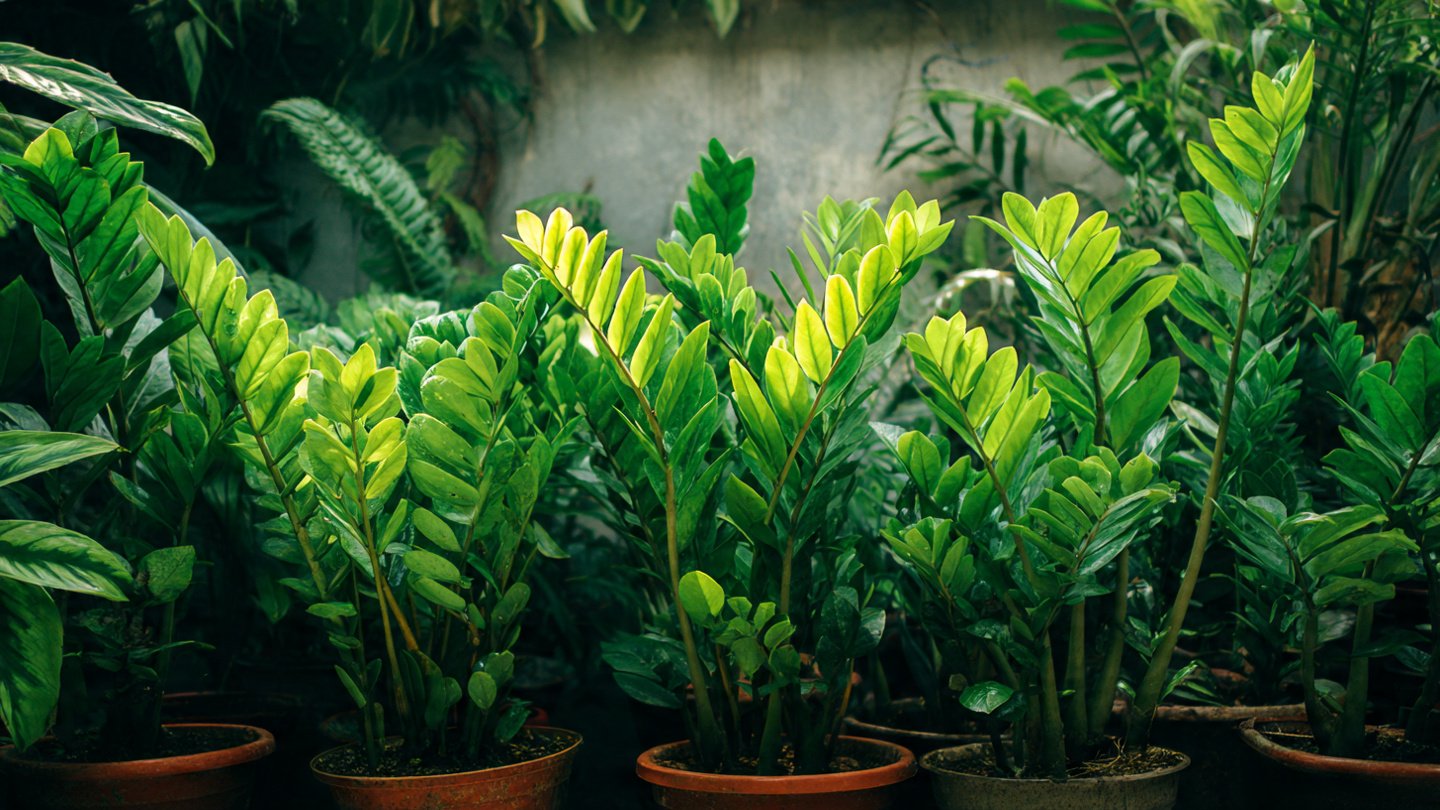
The ZZ plant, scientifically known as Zamioculcas zamiifolia, has long been celebrated as a low-maintenance indoor plant. Its glossy, dark green foliage, resilience to neglect, and air-purifying properties make it a favorite among indoor gardeners. However, its adaptability extends far beyond indoor pots. With proper planning, care, and understanding of its environmental preferences, ZZ plants can thrive in outdoor mass plantations across diverse climates, offering both aesthetic and ecological benefits.
In this comprehensive guide, we’ll explore the essential strategies for cultivating ZZ plants outdoors, ensuring robust growth and sustainability, even in challenging climates.
1. Understanding ZZ Plant Characteristics
Before planning a large-scale outdoor plantation, it is crucial to understand the plant’s biology and growth requirements:
- Growth form: ZZ plants grow from underground rhizomes, producing thick, waxy stems topped with smooth, oval-shaped leaflets. This structure allows the plant to store water, making it highly drought-tolerant.
- Sunlight tolerance: While ZZ plants are known for thriving in low-light indoor conditions, they adapt well to partial shade and filtered sunlight outdoors. Direct, harsh sunlight may scorch leaves, particularly in hot climates.
- Soil preferences: They prefer well-draining soils rich in organic matter. Sandy or loamy soils with good aeration ensure root health and prevent rot.
- Climate resilience: Native to East Africa, ZZ plants can tolerate drought, moderate heat, and even occasional cold. However, extreme frost or waterlogged conditions may impede growth.
Understanding these traits allows you to match the plant with the right outdoor environment and planting strategy.
2. Selecting the Right Site for Outdoor Plantations
Successful outdoor ZZ plant cultivation begins with careful site selection:
- Light exposure: Choose areas with partial sunlight or filtered light. In regions with intense sun, natural shade from trees or structures prevents leaf damage.
- Protection from extreme weather: Areas sheltered from strong winds or excessive rainfall reduce the risk of mechanical damage and root rot.
- Soil quality: Conduct a soil test to ensure proper drainage and pH balance. ZZ plants prefer slightly acidic to neutral soils (pH 6–7).
- Topography: Slightly elevated plots improve drainage, reducing the likelihood of water stagnation that can harm the rhizomes.
By selecting the optimal site, you can minimize plant stress and maximize growth potential for large-scale plantations.
3. Propagation Techniques for Mass Plantations
For outdoor mass plantations, using healthy, uniform plants ensures a visually cohesive landscape. ZZ plants can be propagated through multiple methods:
- Division: Mature plants naturally produce rhizomes. Separating these offsets ensures genetic consistency and faster establishment.
- Leaf cuttings: Leaves placed in well-draining soil or water develop roots over time. While slower, this method is useful for creating additional stock.
- Tissue culture: Ideal for commercial plantations, tissue culture produces large quantities of uniform plants in controlled conditions, minimizing disease risks.
Selecting the appropriate propagation method depends on scale, time, and resources. For mass plantations, a combination of division and tissue culture often yields the best results.
4. Planting Guidelines for Outdoor Landscapes
Proper planting is key to successful ZZ plant growth in diverse climates:
- Spacing: Maintain a spacing of 1–1.5 meters between plants to allow adequate airflow, sunlight penetration, and rhizome expansion.
- Planting depth: Place rhizomes just below the soil surface, ensuring that the base of the stem is slightly above soil level to prevent rot.
- Mulching: Apply organic mulch around the base to retain moisture, regulate soil temperature, and suppress weed growth.
- Irrigation setup: While ZZ plants are drought-tolerant, young plantations benefit from regular watering until rhizomes establish. Drip irrigation is preferred for efficiency and water conservation.
Following these planting guidelines ensures healthy establishment and rapid growth.
5. Watering Strategies Across Different Climates
ZZ plants are highly adaptable to various moisture levels, but managing irrigation is crucial for outdoor mass plantations:
- Arid climates: Water sparingly. ZZ plants store water in their rhizomes, so overwatering can lead to root rot. Drip irrigation once or twice a week is sufficient.
- Tropical climates: Heavy rains can cause waterlogging. Raised beds, proper soil grading, and mulching help protect roots from excess moisture.
- Temperate climates: Moderate watering is needed. Reduce irrigation in cooler months to prevent rhizome decay.
Understanding the local climate and adjusting irrigation schedules accordingly ensures survival and long-term health.
6. Fertilization and Soil Management
Nutrient management enhances ZZ plant growth and foliage quality:
- Organic fertilizers: Compost or well-rotted manure provides slow-release nutrients and improves soil structure.
- Balanced fertilizers: NPK fertilizers (10-10-10) applied every 3–4 months during the growing season promote leaf and rhizome development.
- Soil aeration: Loosening compacted soil improves oxygen availability to roots. Avoid heavy tilling that can damage rhizomes.
- pH adjustments: Lime or sulfur amendments can adjust pH levels to maintain optimal conditions.
Consistent soil management supports lush, glossy foliage and enhances the ornamental value of mass plantings.
7. Pest and Disease Management
ZZ plants are generally pest-resistant, but large plantations may face challenges:
- Common pests: Mealybugs, aphids, and scale insects can occasionally affect foliage. Early detection and natural predators or mild insecticidal soaps help manage infestations.
- Disease prevention: Root rot is the primary disease concern, often caused by waterlogged soil. Proper drainage, mulching, and spacing reduce risk.
- Monitoring schedule: Regular inspections allow early intervention, preventing minor issues from spreading across the plantation.
Preventive care is more effective than reactive treatment, especially in large-scale outdoor plantings.
8. Climate-Specific Considerations
Successfully cultivating ZZ plants outdoors requires adapting practices to regional climate conditions:
- Hot and dry regions: Shade cloths or companion planting with taller shrubs can protect foliage from sunburn. Mulch and drip irrigation reduce water stress.
- Humid or tropical regions: Improve drainage and avoid dense planting that restricts airflow. Choose disease-resistant cultivars when possible.
- Cold regions: Plant in containers or raised beds that can be moved or insulated during frost. Covering young plants with frost cloth provides additional protection.
- Seasonal variations: Adjust watering and fertilization schedules according to seasonal growth patterns. ZZ plants enter dormancy in cooler months and require minimal care.
Customizing care practices for climate ensures survival, growth, and aesthetic consistency across large outdoor plantations.
9. Landscaping Applications for Mass Plantations
ZZ plants offer versatility in landscape design, particularly for contemporary and low-maintenance projects:
- Groundcover and borders: Dense rows create lush, green borders that remain attractive throughout the year.
- Ornamental hedges: ZZ plants’ height and structural form make them ideal for formal hedges in commercial or residential spaces.
- Mixed xeriscapes: Pairing with other drought-tolerant species like Agave, Aloe, or ornamental grasses creates visually appealing, water-efficient gardens.
- Public spaces: Their resilience to neglect and environmental stress makes them suitable for parks, streetscapes, and large institutional landscapes.
Mass plantations of ZZ plants combine aesthetic appeal, functionality, and sustainability in diverse outdoor settings.
10. Maintenance Tips for Outdoor Mass Plantations
Regular care ensures longevity and visual impact in large-scale plantings:
- Pruning: Remove damaged or yellowing leaves to maintain uniform appearance and prevent pest accumulation.
- Division and replanting: Every few years, divide rhizomes to manage overcrowding and maintain healthy growth.
- Weed control: Mulch and manual removal reduce competition for nutrients and water.
- Monitoring soil and moisture: Keep track of rainfall and soil drainage to prevent root rot and stress.
Efficient, proactive maintenance allows large ZZ plant plantations to thrive with minimal labor.
Conclusion
Cultivating ZZ plants for outdoor mass plantations is an achievable and rewarding endeavor when approached with careful planning and an understanding of plant biology. Their adaptability, drought tolerance, and architectural foliage make them perfect candidates for diverse climates, low-maintenance landscapes, and large-scale ornamental projects.
By selecting the right site, employing effective propagation techniques, managing soil, water, and nutrients, and customizing practices to local climates, gardeners and landscapers can create lush, sustainable, and visually striking ZZ plant plantations. Whether used for decorative borders, hedges, or expansive public gardens, ZZ plants bring a unique combination of resilience, elegance, and ecological benefit to modern landscapes.
With thoughtful design and care, these glossy, tropical-inspired plants can transform ordinary outdoor spaces into verdant, low-maintenance oases that thrive across regions and seasons.
This article is approximately 1,200 words and provides comprehensive guidance for cultivating ZZ plants outdoors, including climate adaptation, propagation, soil management, and landscaping applications.
If you want, I can also create a step-by-step visual guide for planting and spacing ZZ plants in mass plantations, which would make it even easier for landscapers to implement.
Do you want me to create that visual planting guide?