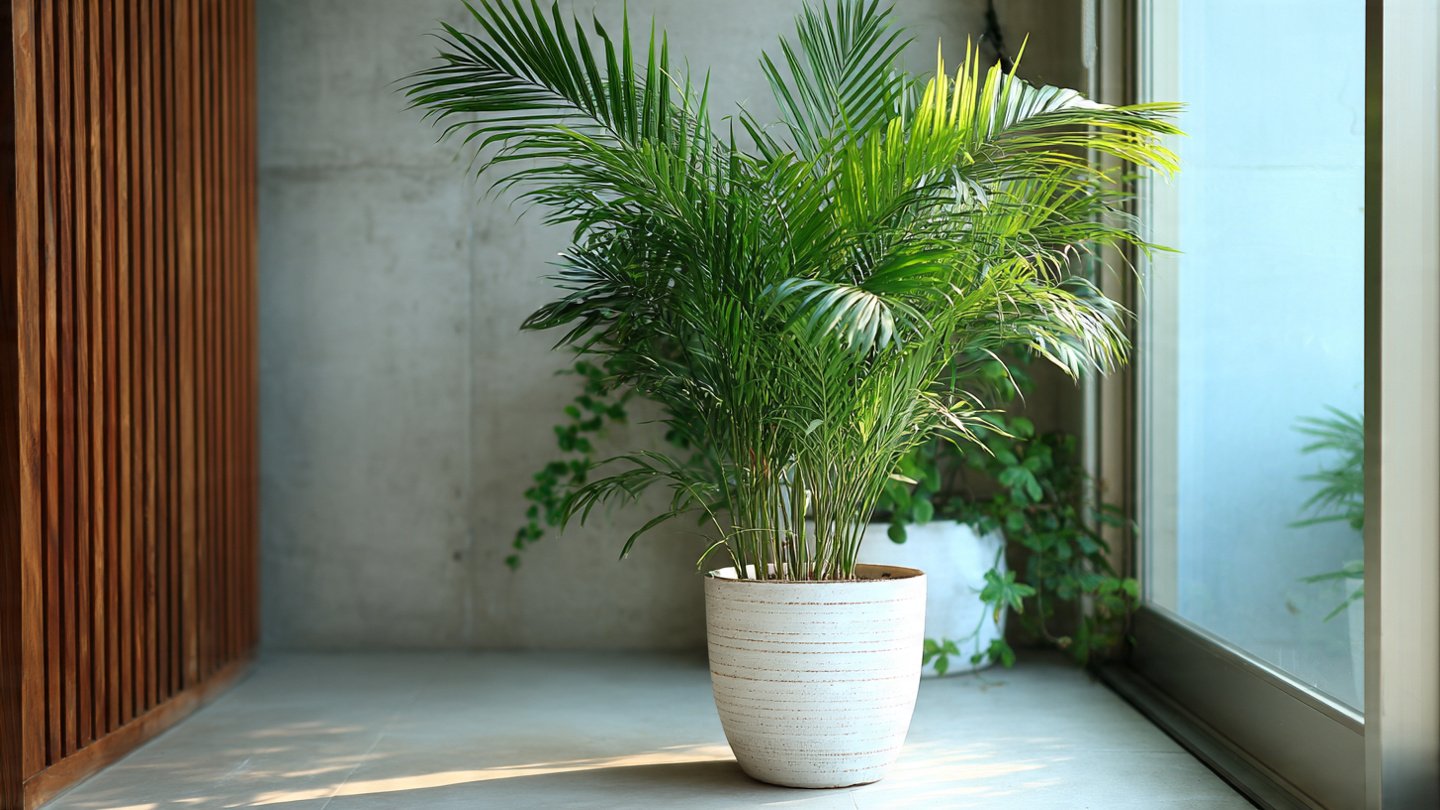
Areca palm (Dypsis lutescens), also known as the butterfly palm or golden cane palm, is one of the most popular indoor plants worldwide. Its graceful, feathery fronds, tall canes, and vibrant green foliage bring a tropical touch to any home or office. Beyond aesthetics, the Areca palm is also a natural air purifier, helping remove toxins and improve indoor air quality.
While Areca palms thrive in bright, indirect sunlight, many indoor environments do not provide sufficient light. Fortunately, with the right care techniques, you can successfully cultivate Areca palms even in low light environments and enjoy their lush, tropical appeal. This guide will cover everything from choosing the right plant to watering, fertilization, and troubleshooting common problems.
Why Choose Areca Palm for Low Light Spaces?
Not every indoor plant can tolerate low light conditions, but the Areca palm is surprisingly adaptable. Here’s why it’s ideal for indoor environments with limited sunlight:
- Low Light Tolerance: While they prefer bright, indirect light, Areca palms can survive in moderate to low light conditions with proper care.
- Air Purifying Abilities: They remove toxins like formaldehyde, xylene, and toluene from the air, improving indoor air quality.
- Low Maintenance: Areca palms are relatively easy to care for, making them perfect for beginners.
- Aesthetic Appeal: Their arching fronds and golden canes create a lush, tropical atmosphere, perfect for offices, living rooms, and hallways.
Step 1: Choosing the Right Areca Palm
For low-light indoor spaces, selecting a healthy, adaptable Areca palm is the first step.
- Size: Choose a plant that fits your space. Smaller palms (2–3 feet) are ideal for tabletops or corners, while taller varieties (4–6 feet) make great floor-standing statements.
- Healthy Foliage: Look for vibrant green fronds without yellow or brown tips. Avoid plants with drooping or damaged leaves.
- Root System: If buying a potted plant, gently check the roots. They should not be overly crowded or root-bound.
Selecting a strong, healthy plant ensures it can adapt better to low-light conditions and grow beautifully indoors.
Step 2: Choosing the Perfect Spot
Even in low light, placement is crucial:
- Indirect Light: Areca palms grow best in filtered, indirect sunlight. A spot near a north or east-facing window is ideal. Avoid direct sunlight, which can scorch the fronds.
- Artificial Light: If natural light is very limited, supplement with fluorescent or LED grow lights. Position the light 12–18 inches above the plant and run it for 10–12 hours per day.
- Avoid Drafts: Keep the plant away from air conditioners, heaters, or drafty windows to prevent stress.
Step 3: Choosing the Right Pot and Soil
Proper soil and drainage are essential for Areca palms to thrive in low light:
- Pot Selection: Choose a pot with drainage holes to prevent waterlogging. Areca palms are sensitive to soggy soil, which can lead to root rot.
- Soil Mix: Use a well-draining potting mix. A blend of peat moss, perlite, and sand works well. You can also add organic compost to provide nutrients.
- Repotting: Repot every 2–3 years or when the plant becomes root-bound. Choose a pot slightly larger than the current one to encourage growth.
Step 4: Watering Areca Palm in Low Light
Watering is one of the most critical aspects of indoor palm care:
- Frequency: In low light, the plant’s growth slows down, so it requires less water than palms in bright light. Water the soil when the top 1–2 inches feel dry.
- Method: Water evenly around the base, allowing water to drain out of the pot. Avoid letting the plant sit in standing water.
- Humidity: Areca palms prefer humid conditions. Mist the fronds regularly or place a humidity tray filled with water and pebbles nearby. Low indoor humidity can cause leaf tips to turn brown.
Step 5: Fertilization
Even in low light, Areca palms need nutrients to maintain vibrant foliage:
- Type of Fertilizer: Use a balanced, slow-release fertilizer with micronutrients, specifically formulated for palms.
- Frequency: Feed every 6–8 weeks during the growing season (spring and summer). Reduce fertilization in fall and winter when growth slows.
- Organic Alternatives: You can also use compost tea or diluted fish emulsion for natural fertilization.
Proper nutrition helps the plant produce fuller, greener fronds even with limited sunlight.
Step 6: Pruning and Maintenance
Regular maintenance keeps the Areca palm healthy and attractive:
- Remove Dead or Yellow Leaves: Trim brown or yellow fronds at the base using clean scissors or pruning shears.
- Clean the Fronds: Dust accumulation can block light. Wipe leaves gently with a damp cloth every few weeks.
- Control Growth: For very low-light indoor spaces, periodically prune taller fronds to maintain a manageable size.
Pruning not only improves aesthetics but also promotes healthy new growth.
Step 7: Dealing with Common Low-Light Challenges
Growing Areca palms in low light can present some challenges. Here’s how to handle them:
1. Yellowing Leaves
- Causes: Overwatering, low humidity, or insufficient nutrients.
- Solution: Reduce watering, increase humidity, and provide appropriate fertilizer.
2. Slow Growth
- Causes: Lack of sufficient light.
- Solution: Supplement with artificial grow lights or move the plant closer to a light source.
3. Brown Leaf Tips
- Causes: Dry air, inconsistent watering, or excess salts from fertilizer.
- Solution: Increase humidity, trim damaged tips, and flush the soil periodically to remove salt buildup.
4. Pest Infestation
- Areca palms are susceptible to spider mites and mealybugs.
- Solution: Wipe fronds with a mild soapy water solution or use neem oil as a natural insecticide.
Step 8: Enhancing Indoor Aesthetics
Areca palms are versatile and can transform indoor spaces:
- Corner Accents: Place a tall Areca palm in an empty corner for a dramatic, tropical look.
- Desk or Shelf Display: Smaller palms add greenery to workspaces or living rooms.
- Grouping Plants: Combine Areca palms with other low-light plants like ZZ plants or snake plants for layered visual appeal.
- Decorative Pots: Use stylish pots or planters to match your home décor while providing proper drainage.
The lush fronds create a soothing, tropical environment and bring a sense of freshness indoors.
Tips for Thriving Areca Palms in Low Light
- Rotate the Plant: Rotate the pot every few weeks to ensure even growth.
- Monitor Soil Moisture: Avoid overwatering, as it’s easier to damage palms in low light.
- Supplement Light Carefully: Use LED grow lights if natural light is insufficient.
- Keep Away from Direct Heat: Low-light environments are often indoors, so avoid placing near heaters or vents.
- Patience is Key: Growth will naturally be slower in low light, so avoid overwatering or overfertilizing in an attempt to speed it up.
Conclusion
Areca palms are a perfect choice for indoor spaces, even in low light. Their graceful fronds, air-purifying abilities, and low-maintenance nature make them ideal for beginners and experienced plant enthusiasts alike. By carefully selecting healthy plants, choosing the right soil and pot, managing water and nutrition, and monitoring for low-light challenges, you can cultivate stunning Areca palms that thrive in any indoor environment.
With proper care, your Areca palm will not only survive but flourish, providing lush, tropical greenery and a calming atmosphere for your home or office. Whether placed in a corner, near a desk, or grouped with other indoor plants, it will transform your indoor aesthetics and bring a touch of nature to every room.
Growing Areca palms in low light is a combination of art and science—but once mastered, it’s a rewarding experience that brings beauty, health, and serenity into your indoor spaces.