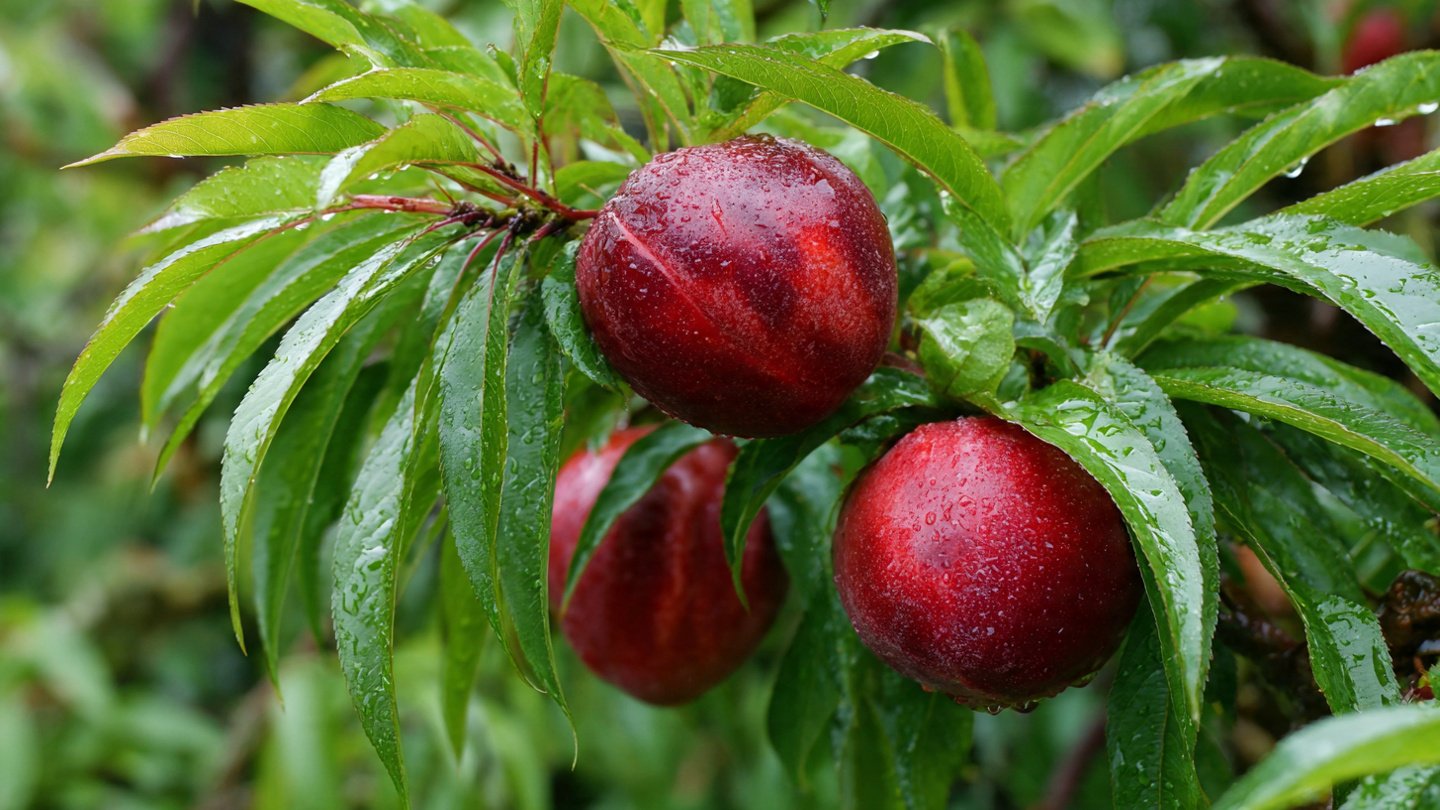
Nectarines are a delight for any backyard orchard. With their smooth skin, juicy flesh, and sweet flavor, they make excellent fresh fruit, jams, and desserts. However, growing nectarines in northern climates can be challenging due to cold winters, late frosts, and shorter growing seasons. With the right strategies, though, gardeners can cultivate thriving nectarine trees that produce abundant fruit. This guide will cover everything from selecting hardy varieties to soil preparation, planting, care, pest management, and harvesting techniques, ensuring successful nectarine cultivation even in northern regions.
Understanding the Challenges of Northern Climates
Northern climates, generally classified as USDA Hardiness Zones 4–6, present unique obstacles for nectarine cultivation:
- Cold winters: Temperatures can drop below what many nectarine varieties tolerate.
- Late spring frosts: Blossoms are sensitive to frost, which can damage flowers and reduce fruit set.
- Short growing season: Nectarines need enough warm days to ripen fruit fully.
- Variable soil conditions: Clay-heavy or poorly drained soils can stress trees and increase disease risk.
Overcoming these challenges requires careful selection of cold-hardy varieties, strategic planting, and proactive care.
Selecting Cold-Hardy Nectarine Varieties
The first step toward successful cultivation is choosing nectarine varieties adapted to northern climates. Look for trees that are:
- Low-chill: Require fewer chilling hours (time spent at cold temperatures) to break dormancy.
- Frost-resistant: Capable of surviving occasional late frosts.
- Early to mid-season ripening: Ensures fruit matures before the growing season ends.
Recommended cold-hardy nectarine varieties for northern climates:
- Hardired: Extremely cold-hardy and self-pollinating; produces early-season nectarines.
- Redgold: A low-chill, reliable variety with bright red, sweet fruit.
- Harko: Cold-tolerant with high-quality, flavorful fruit.
- Fantasia: Early-ripening and hardy, ideal for small home orchards.
Selecting the right variety ensures higher survival rates and more consistent fruit production in northern regions.
Choosing the Optimal Planting Site
The right location can make or break nectarine cultivation in cold climates. Nectarines thrive with proper sunlight, soil, and protection from harsh conditions.
Sunlight
- Nectarine trees require full sun, ideally 6–8 hours per day, to produce healthy fruit and strong growth.
- Insufficient sunlight leads to weak growth and fewer flowers.
Soil
- Well-drained, loamy soil with a pH of 6.0–7.0 is ideal.
- Avoid low-lying areas where water collects, as wet soil in winter can damage roots.
- Amending soil with organic compost improves fertility and drainage.
Protection from Frost
- Plant trees on slight elevations or south-facing slopes to reduce frost risk.
- Use natural windbreaks such as hedges or fences to protect trees from cold winds.
Spacing
- Standard trees: 15–20 feet apart.
- Dwarf/compact varieties: 8–12 feet apart.
- Proper spacing ensures airflow, reduces disease pressure, and allows sunlight penetration.
Planting Nectarine Trees in Northern Climates
Correct planting techniques give nectarines the best chance of survival and early fruiting.
Timing
- Plant bare-root trees in early spring while dormant.
- Container-grown trees can be planted after the last frost in spring.
Planting Steps
- Dig a hole twice as wide as the root ball.
- Position the tree so the graft union remains above soil level to prevent rot.
- Backfill with soil, gently firming to remove air pockets.
- Water thoroughly to settle the soil.
- Mulch around the base, leaving a few inches around the trunk to prevent rot.
Watering and Fertilization
Proper watering and nutrient management are critical for growth, fruiting, and frost resilience.
Watering
- Young trees require regular watering to establish roots.
- Mature trees need 1–2 inches of water per week, increasing during hot, dry spells.
- Avoid waterlogging, as poorly drained soil can cause root rot, particularly in northern climates with snowmelt and winter moisture.
Fertilization
- Apply a balanced fertilizer (10-10-10) in early spring before bud break.
- Side-dress with compost or well-rotted manure during the growing season for nutrient support.
- Avoid over-fertilization, which encourages excessive vegetative growth and reduces cold hardiness.
Pruning for Northern Climate Nectarines
Pruning is essential for fruit production, airflow, and frost management.
Training Systems
- Open-center (vase shape): Most common for nectarines; allows sunlight to reach all branches.
- Central leader: Maintains tree structure in small spaces; easier to protect from cold.
Pruning Guidelines
- Prune dormant trees in late winter before bud break.
- Remove dead, damaged, or crossing branches.
- Thin fruiting branches to improve sunlight penetration and reduce disease risk.
- Shorten overly vigorous shoots to encourage lateral growth and stronger branches capable of withstanding snow or frost.
Protecting Nectarine Trees from Frost
Frost is the biggest threat to nectarine blossoms and young fruit in northern climates. Effective strategies include:
Winter Protection
- Apply mulch around the base to insulate roots.
- Wrap trunks with tree guards to prevent frost cracks.
Spring Frost Protection
- Cover blossoms with frost cloths or row covers during cold nights.
- Use small heaters or string lights in commercial orchards to raise temperature slightly.
- Planting on elevated sites or south-facing slopes reduces frost risk.
Microclimate Techniques
- Position trees near heat-retaining walls or buildings.
- Use companion plantings like evergreen shrubs to shield trees from cold winds.
Pests and Disease Management
Nectarines in northern climates are susceptible to certain pests and diseases, particularly if stressed by cold.
Common Pests
- Aphids, scale, and leafrollers.
- Use insecticidal soap, neem oil, or manual removal for control.
Common Diseases
- Peach leaf curl: Prevent with copper fungicide applied in late winter.
- Brown rot: Remove infected fruit promptly and avoid overwatering.
- Powdery mildew: Maintain airflow through pruning and spacing.
Healthy, properly pruned trees with sufficient sunlight and water are naturally more resistant to pests and disease.
Harvesting Nectarines
Timing is crucial to ensure maximum flavor and fruit quality:
- Fruit should be fully colored and slightly soft when gently squeezed.
- Early morning harvesting reduces bruising and maintains freshness.
- Handle fruit carefully to avoid damage, particularly if trees are young and branches delicate.
Tips for Northern Climates
- Harvest early-maturing varieties to ensure fruit ripens before the first autumn frost.
- Use lightweight ladders or pick baskets for compact varieties.
- Consider multiple harvests if the tree produces in waves.
Maximizing Yield in Northern Climates
To optimize fruit production:
- Choose multiple varieties to stagger bloom and harvest, reducing frost risk impact.
- Prune carefully to balance vegetative growth and fruiting.
- Regularly monitor for pests and diseases to prevent outbreaks.
- Provide consistent water and nutrients for healthy growth.
- Use microclimate advantages like south-facing walls, windbreaks, and elevation.
- Consider containers or raised beds for small trees, making frost protection easier.
By combining these strategies, even gardeners in colder regions can enjoy reliable, high-quality nectarine harvests.
Conclusion
Cultivating nectarines in northern climates requires careful planning, attention to detail, and proactive care. Selecting cold-hardy, low-chill varieties, planting in optimal sites, protecting trees from frost, and maintaining proper watering, fertilization, and pruning practices are all essential for success. Compact or dwarf varieties simplify management, making frost protection and harvest easier while still producing abundant fruit.
With dedication, northern gardeners can enjoy juicy, sweet nectarines from their own backyard, extending the season of fresh, homegrown fruit. By following these strategies, even cold zones can host thriving nectarine trees, providing a rewarding and delicious addition to any home orchard.