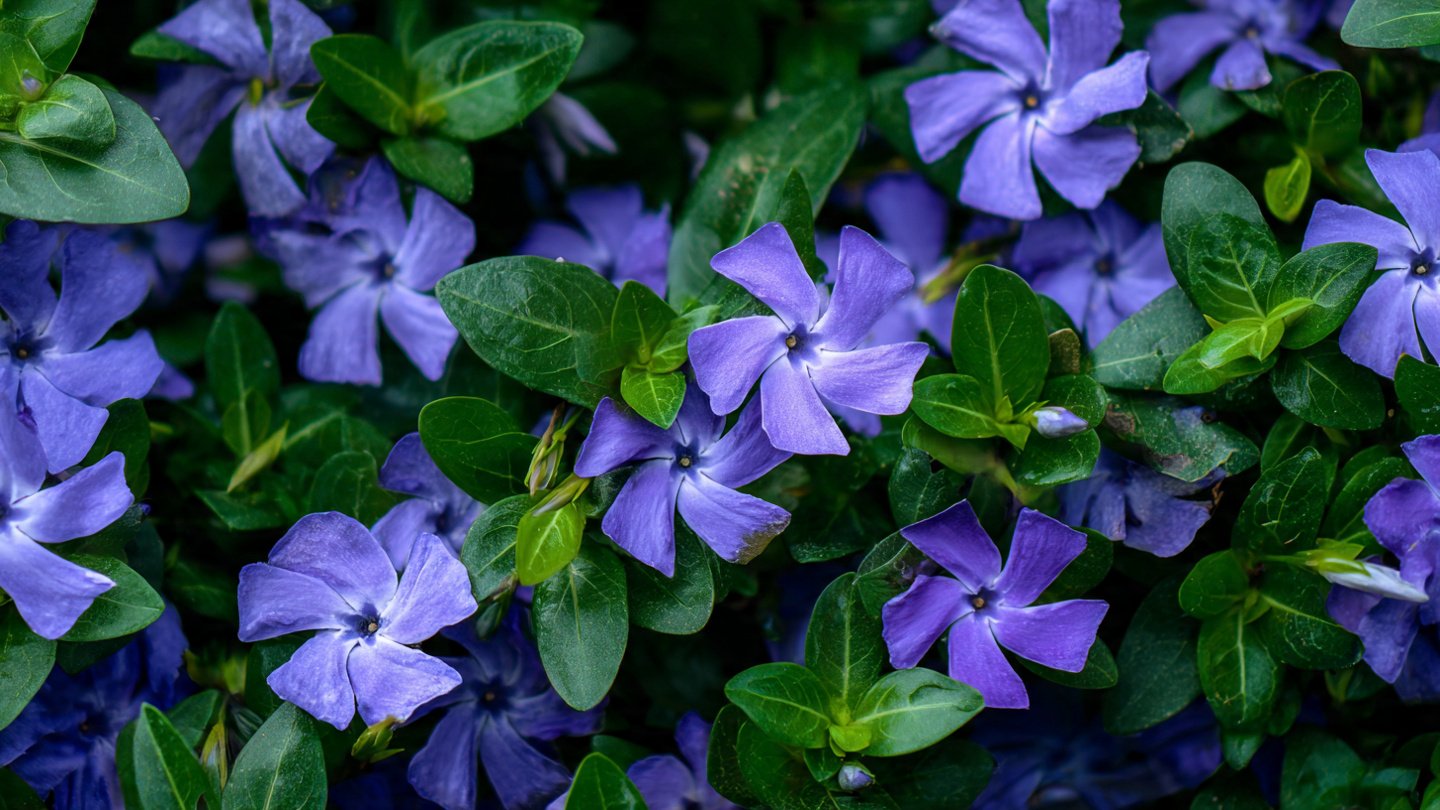
Creating a lush, vibrant garden doesn’t always require expensive landscaping or high-maintenance plants. One of the most versatile, resilient, and visually appealing options for gardeners is periwinkle (Vinca minor and Vinca major). Known for its dense foliage, colorful flowers, and ability to suppress weeds, periwinkle makes an excellent ground cover for garden beds, slopes, borders, and shaded areas. Whether you are a beginner gardener or an experienced landscaper, growing periwinkle can transform your outdoor space into a vibrant, low-maintenance paradise. This comprehensive guide will cover everything you need to know about cultivating periwinkle, including selection, planting, care, propagation, and design ideas.
Why Choose Periwinkle as a Ground Cover?
Periwinkle is a popular choice for gardeners due to its numerous benefits:
- Low Maintenance: Once established, periwinkle requires minimal care and is drought-tolerant.
- Weed Suppression: Its dense mat of foliage prevents weeds from taking hold.
- Erosion Control: The sprawling growth helps stabilize soil on slopes and embankments.
- All-Season Appeal: Evergreen leaves and long-lasting flowers provide color and texture year-round in many climates.
- Versatility: Suitable for borders, containers, hanging baskets, and mass planting.
These qualities make periwinkle an ideal choice for gardeners seeking beauty, function, and low upkeep in one plant.
Selecting the Right Periwinkle Variety
Periwinkle comes in two main types, each with unique characteristics:
- Vinca minor (Lesser Periwinkle):
- Low-growing, typically 4–6 inches tall.
- Spreads rapidly and produces small, blue or violet flowers in spring and summer.
- Ideal for ground cover under trees or along garden edges.
- Vinca major (Greater Periwinkle):
- Taller, 12–18 inches in height, with larger leaves and flowers.
- More vigorous and suitable for covering larger areas or slopes.
- Can be slightly more aggressive but excellent for erosion control.
Other varieties include cultivars with variegated leaves or different flower colors, allowing you to match your garden’s color palette. Selecting the right variety ensures optimal growth, appearance, and maintenance for your specific landscape needs.
Choosing the Ideal Location
Periwinkle is adaptable but thrives best when planted in:
- Light Requirements: Partial to full shade is ideal, though some varieties tolerate full sun. In hot climates, some afternoon shade protects foliage from scorching.
- Soil Conditions: Well-draining soil with moderate fertility works best. Periwinkle can tolerate clay or sandy soils but prefers slightly acidic to neutral pH (6.0–7.0).
- Spacing: For effective ground cover, space plants 12–18 inches apart. This allows them to fill in quickly while preventing overcrowding.
By selecting a suitable location, you set the stage for healthy, vigorous growth and long-lasting beauty.
Planting Periwinkle Ground Cover
Step 1: Prepare the Soil
- Remove weeds, rocks, and debris from the area.
- Loosen the soil to a depth of 6–8 inches to encourage root penetration.
- Incorporate compost or organic matter to improve fertility and drainage.
Step 2: Planting Techniques
- Bare Root or Potted Plants: Dig holes slightly larger than the root ball. Place the plant, backfill, and water thoroughly.
- Cuttings: Take stem cuttings from healthy plants, remove lower leaves, and plant them directly in moist soil or a propagation medium.
- Spacing: Maintain 12–18 inches between plants for faster coverage.
Step 3: Watering After Planting
- Water immediately after planting to settle the soil and encourage root establishment.
- Keep soil consistently moist for the first 2–3 weeks until plants establish. Afterward, periwinkle is drought-tolerant and requires less frequent watering.
Caring for Periwinkle
Periwinkle is forgiving but responds well to consistent care. Key aspects include:
Watering
- Young plants need regular watering to establish roots.
- Established plants thrive with moderate watering, especially during dry spells.
- Avoid waterlogging, which can cause root rot and fungal diseases.
Fertilization
- Periwinkle benefits from a balanced fertilizer (10-10-10) applied in spring.
- Slow-release fertilizers can be used to reduce maintenance.
- Organic compost applied once or twice a year improves soil fertility and encourages lush growth.
Pruning and Maintenance
- Trim overgrown vines to control spread and maintain a neat appearance.
- Remove dead or damaged stems to prevent disease.
- Light pruning after flowering promotes denser growth and more blooms.
Pest and Disease Management
Periwinkle is generally pest-resistant but can occasionally face:
- Aphids: Small, sap-sucking insects. Control with insecticidal soap.
- Spider Mites: Cause leaf discoloration; increase humidity and spray with water or neem oil.
- Fungal Diseases: Overwatering or poor air circulation can cause leaf spots. Ensure proper spacing and drainage.
Regular monitoring ensures your periwinkle stays healthy and vibrant.
Propagating Periwinkle
One of the advantages of periwinkle is its ease of propagation, which is ideal for gardeners on a budget:
- Stem Cuttings: Take 4–6 inch stem cuttings from healthy plants. Remove lower leaves and plant in moist soil or a sand-perlite mix. Roots form in 2–4 weeks.
- Division: Established periwinkle mats can be dug up and divided into smaller sections. Replant the divisions to cover more ground.
- Layering: Pin stems that touch the soil and secure them with a pin or small stone. Roots develop at contact points, creating new plants.
These propagation methods allow gardeners to expand their ground cover efficiently and economically.
Designing with Periwinkle in the Garden
Periwinkle is not only functional but also highly versatile in garden design:
- Mass Planting: Cover large areas with dense foliage and continuous blooms.
- Borders and Edges: Plant along pathways, garden beds, or retaining walls for a neat and colorful edge.
- Slope and Erosion Control: Its trailing vines stabilize soil and prevent erosion on inclines.
- Containers and Hanging Baskets: Trailing varieties create cascading effects for patios or balconies.
- Companion Planting: Pair with hostas, ferns, or ornamental grasses for a layered, dynamic look.
Its evergreen leaves and bright flowers add year-round beauty, making periwinkle an excellent choice for both functional and decorative purposes.
Seasonal Care Tips
- Spring: Fertilize and trim overgrown vines to encourage new growth.
- Summer: Water during dry periods and ensure partial shade if sunlight is intense.
- Autumn: Remove fallen leaves and debris to prevent fungal problems.
- Winter: Mulch around the base in colder climates to protect roots and preserve soil moisture.
Adapting care to seasonal conditions ensures healthy, vigorous growth and abundant blooms year-round.
Benefits of Periwinkle Ground Cover
- Aesthetic Appeal: Evergreen foliage and colorful flowers enhance any garden.
- Low Maintenance: Requires minimal watering and care once established.
- Weed Control: Dense mats prevent weed growth, reducing maintenance.
- Erosion Prevention: Spreading vines stabilize soil on slopes and embankments.
- Cost-Effective: Easy propagation allows gardeners to expand coverage without purchasing more plants.
Conclusion
Periwinkle is an ideal solution for gardeners seeking vibrant, low-maintenance ground cover. Its dense foliage, colorful flowers, adaptability, and ease of propagation make it perfect for a wide range of garden applications—from borders and slopes to mass planting and container displays.
By selecting the right variety, preparing the soil properly, planting with care, and providing regular maintenance, gardeners can enjoy a beautiful, weed-free, and low-effort garden. Additionally, propagating periwinkle through cuttings, layering, or division allows for efficient expansion, making it a cost-effective and sustainable option.
Whether your goal is to add color, control erosion, or create a lush, evergreen carpet in your garden, periwinkle ground cover offers both beauty and practicality. With this ultimate guide, you now have the tools to cultivate periwinkle successfully, ensuring a vibrant and flourishing garden for years to come.