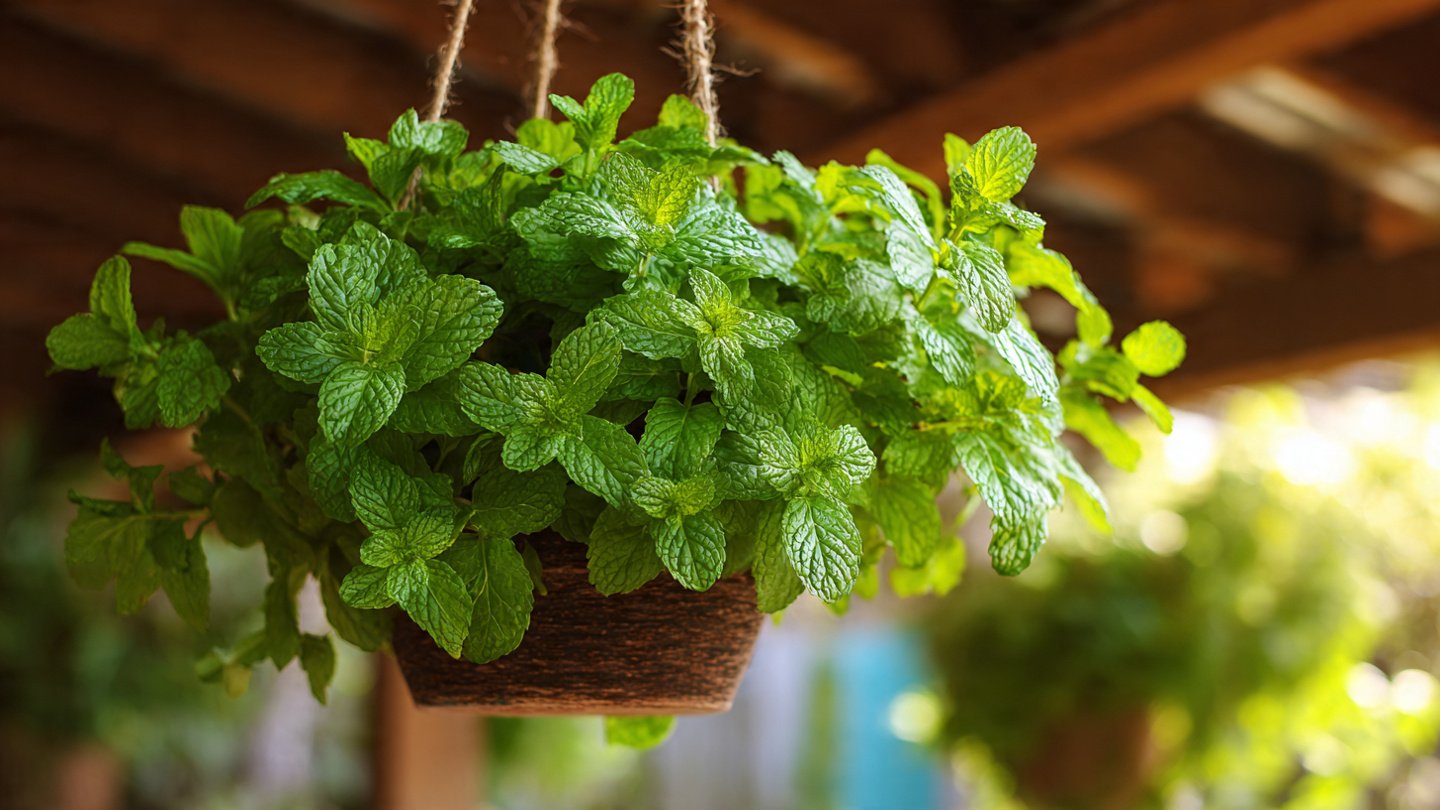
Few herbs are as versatile, aromatic, and easy to grow as mint (Mentha spp.). With its refreshing scent and flavorful leaves, mint is a staple in teas, salads, desserts, cocktails, and sauces. However, mint can be surprisingly invasive in the garden, spreading rapidly through underground rhizomes and crowding out neighboring plants.
The solution? Hanging containers. Growing mint in hanging pots or baskets keeps it contained, saves space, and allows you to enjoy fresh mint leaves year-round. This ultimate guide will walk you through everything you need to know to successfully grow, care for, and harvest mint in hanging containers.
Step 1: Choosing the Right Mint Variety
Mint comes in many varieties, each with its unique flavor and aroma. Selecting the right one for your hanging container is the first step to success. Popular options include:
- Spearmint (Mentha spicata): Sweet, mild flavor; ideal for teas and garnishes.
- Peppermint (Mentha × piperita): Strong, cooling flavor; perfect for desserts, sauces, and drinks.
- Chocolate Mint (Mentha × piperita f. citrata ‘Chocolate’): Hints of cocoa flavor; adds novelty to desserts.
- Apple Mint (Mentha suaveolens): Fruity, mild flavor; great for salads and beverages.
For hanging containers, choose a variety that matches your culinary needs and aroma preference. Hybrid varieties are often more vigorous and resilient.
Step 2: Selecting the Perfect Hanging Container
The container you choose is critical for healthy mint growth:
- Size: A hanging basket at least 10–12 inches in diameter gives mint room to spread.
- Depth: Ensure the pot is 8–10 inches deep for root development.
- Material: Plastic, ceramic, or coconut fiber baskets are all suitable.
- Drainage: Make sure there are adequate drainage holes to prevent waterlogging.
A well-chosen container ensures roots have enough space and reduces the risk of rot or fungal issues.
Step 3: Preparing the Potting Mix
Mint thrives in nutrient-rich, well-draining soil. Here’s a simple mix for hanging containers:
- 2 parts potting soil: Provides a loose, airy base.
- 1 part compost: Supplies essential nutrients for healthy growth.
- 1 part perlite or sand: Improves drainage and prevents soggy roots.
Mix thoroughly and fill your hanging basket, leaving about 1–2 inches from the rim to allow for watering.
Step 4: Planting Mint in Hanging Containers
You can start mint from seeds, cuttings, or nursery-grown plants. For fast results, cuttings or nursery plants are ideal.
Planting Steps:
- Cuttings: Snip a healthy 4–6 inch stem from an existing mint plant. Remove lower leaves to expose nodes.
- Planting: Insert the cutting 1–2 inches deep into moist soil. Firm the soil gently around the base.
- Spacing: If planting multiple cuttings, leave 3–4 inches between each stem to allow airflow and growth.
- Watering: Water immediately after planting and keep the soil consistently moist until roots establish.
Seeds can be sown thinly on the soil surface and lightly covered. Germination takes 7–14 days, depending on variety and temperature.
Step 5: Finding the Ideal Location
Mint loves light but can tolerate partial shade. For optimal growth:
- Light: 4–6 hours of indirect sunlight daily is ideal. Avoid scorching afternoon sun, especially in hot climates.
- Temperature: Mint prefers 65–75°F (18–24°C) but can adapt to cooler or slightly warmer conditions.
- Airflow: Hanging containers allow good circulation, reducing fungal problems.
Rotating the basket occasionally ensures even light exposure for balanced growth.
Step 6: Watering Your Hanging Mint
Mint has moderate water needs, and hanging containers dry out faster than garden beds:
- Frequency: Check the soil daily, especially in warm weather. Water when the top inch of soil feels dry.
- Method: Water thoroughly until excess drains from the bottom. Avoid letting the pot sit in standing water.
- Humidity: Indoor mint may benefit from occasional misting to maintain humidity, particularly during dry winter months.
Consistent watering promotes tender, flavorful leaves and prevents leaf curling or wilting.
Step 7: Fertilization for Lush Growth
Mint is a vigorous grower and will benefit from regular feeding:
- Liquid Fertilizer: Use a diluted, balanced liquid fertilizer every 2–4 weeks.
- Organic Options: Fish emulsion, seaweed extract, or compost tea provide nutrients naturally.
- Avoid Over-Fertilizing: Excess nitrogen encourages leaf growth at the expense of flavor.
With the right feeding routine, your mint will produce lush foliage throughout the year.
Step 8: Pruning and Maintenance
Pruning is essential to keep your mint healthy, flavorful, and well-contained in a hanging container:
- Regular Harvesting: Snip off top leaves regularly to encourage bushy growth.
- Pinching Tips: Pinch back growing tips to prevent flowering, which can make leaves bitter.
- Remove Dead or Yellow Leaves: Keeps the plant tidy and reduces disease risk.
- Contain Growth: Mint spreads aggressively—trimming prevents it from taking over the pot.
Pruning not only maintains shape but also boosts the production of new, tender leaves.
Step 9: Dealing with Flowering
While flowering is natural, it signals the plant is focusing energy on reproduction, which can reduce leaf flavor:
- Deadhead Flowers: Remove flower spikes as soon as they appear to maintain leaf quality.
- Encourage Leaf Production: Continued pruning ensures a steady supply of aromatic leaves.
Hanging containers make deadheading easy and prevent unwanted seed spread.
Step 10: Pests and Disease Management
Mint is generally hardy, but it can encounter a few indoor pests:
- Common Pests: Aphids, spider mites, and whiteflies.
- Prevention: Inspect leaves regularly and maintain good airflow around the hanging basket.
- Treatment: Spray affected leaves with neem oil, insecticidal soap, or a gentle water rinse.
Good hygiene and proper watering minimize the risk of fungal issues like powdery mildew.
Step 11: Harvesting Mint Year-Round
One of the greatest advantages of hanging mint is continuous access to fresh herbs:
- Frequency: Harvest lightly throughout the growing season, taking 1–2 inches from the tips of stems.
- Technique: Use scissors or pinch leaves between fingers to avoid damaging the plant.
- Indoor Tips: Harvest leaves regularly to encourage bushy growth and prevent legginess.
With proper care, your hanging mint will provide aromatic leaves for cooking, beverages, and garnishes all year.
Step 12: Overwintering Your Hanging Mint
Mint is a hardy herb, but winter care ensures year-round growth:
- Indoors: Move the hanging container to a sunny window or use a grow light.
- Outdoors: Bring baskets inside or protect them from frost with insulating wraps.
- Pruning: Trim back the plant slightly before winter to reduce stress and maintain shape.
- Soil Moisture: Reduce watering in winter but don’t let soil dry out completely.
With these precautions, you can enjoy fresh mint leaves even in cold climates.
Step 13: Creative Uses for Hanging Mint
Growing mint in hanging containers isn’t just practical—it’s also decorative:
- Kitchen Herb Garden: Hang near windows for easy access while cooking.
- Patio or Balcony Display: Adds greenery and aroma to outdoor seating areas.
- Mixed Herb Baskets: Combine mint with oregano, thyme, or basil for a colorful, fragrant display.
- Cocktail Garden: Perfect for mojitos, iced teas, or summer lemonade garnishes.
Mint’s cascading stems and fragrant leaves make it a visually and aromatically appealing addition to any space.
Step 14: Tips for Maximizing Success
- Rotate Containers: Ensures even sunlight exposure and balanced growth.
- Watering Routine: Hanging baskets dry faster—adjust watering accordingly.
- Prune Regularly: Prevents legginess and encourages dense foliage.
- Use Quality Soil: Nutrient-rich, well-draining soil supports healthy roots and flavor.
- Monitor Pests: Regular checks prevent infestations from spreading.
- Replenish Soil Annually: Refresh potting mix each spring for vigorous growth.
Conclusion
Growing mint in hanging containers is a simple, space-saving, and highly rewarding way to enjoy fresh herbs year-round. With careful selection of variety, proper container and soil preparation, regular watering, pruning, and pest management, you can cultivate a lush, fragrant mint plant that enhances your kitchen, patio, or balcony.
The beauty of this approach is not just practicality—it’s also aesthetic. Mint’s cascading leaves create an elegant, green display that brings both life and aroma to your space. Whether you’re a culinary enthusiast, an indoor gardener, or someone looking to create a small herb oasis, hanging mint containers are the perfect solution for fresh, flavorful herbs at your fingertips.
With this ultimate guide, you now have all the knowledge to plant, nurture, and harvest mint in hanging containers—and enjoy the fragrant rewards of your indoor or outdoor herb garden all year long.