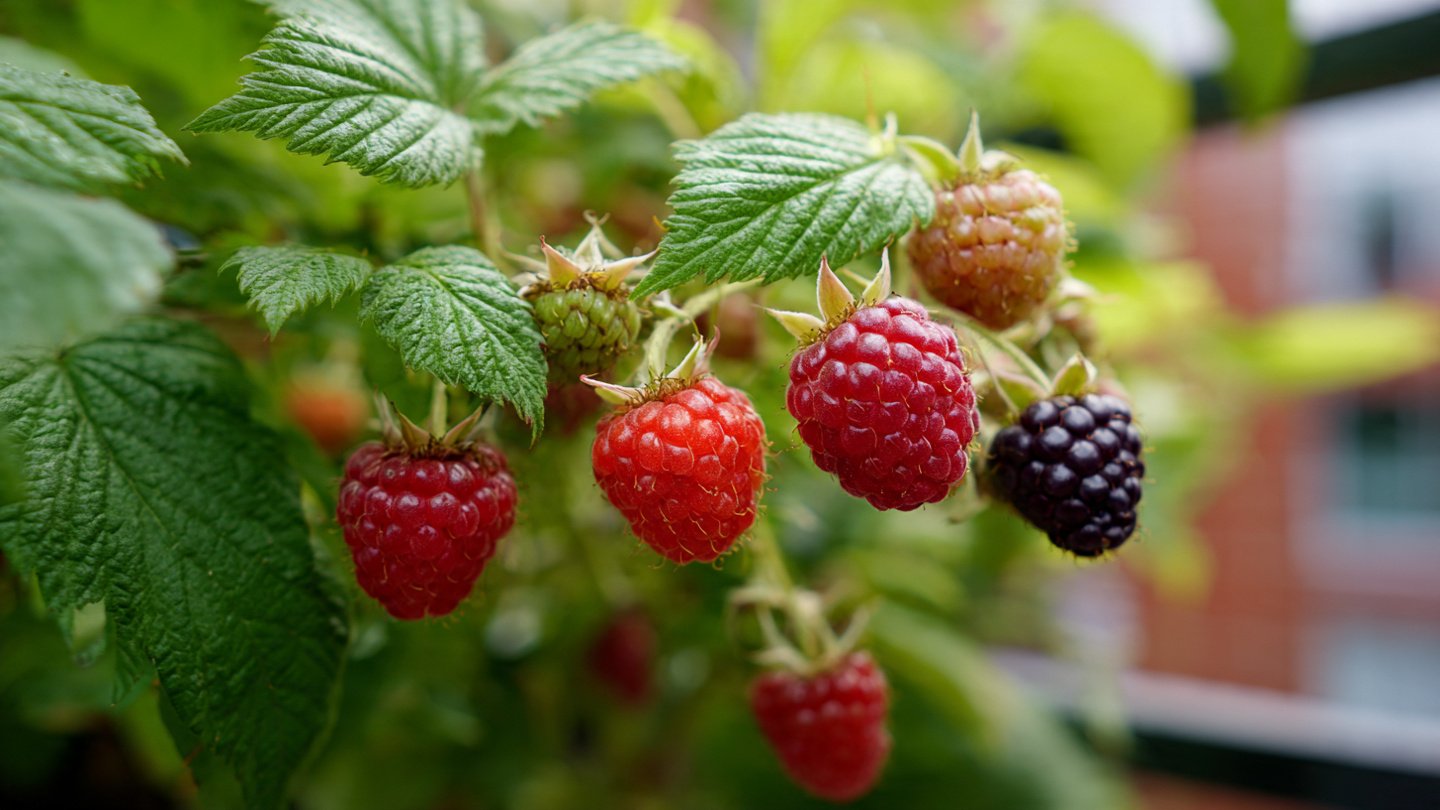
Fresh berries are one of the most rewarding crops for home gardeners. Bursting with flavor, packed with antioxidants, vitamins, and minerals, berries like strawberries, blueberries, raspberries, and blackberries offer health benefits and elevate any meal. But not everyone has a backyard garden. Fortunately, you can grow a lush, productive berry garden on your balcony, turning even a small space into a nutritious, flavorful oasis.
This ultimate guide provides step-by-step instructions, tips, and expert advice to help you maximize flavor, nutrition, and yield while growing berries in containers on your balcony.
Why Grow Berries on a Balcony
Growing berries at home has several advantages:
- Freshness and Nutrition: Harvest berries at peak ripeness to maximize flavor and nutrients.
- Space-Saving: Container gardening allows anyone, even in apartments, to grow fruit.
- Control Over Pesticides: Homegrown berries are free from harmful chemicals.
- Accessibility: A balcony garden keeps berries within reach, encouraging daily use in meals.
- Aesthetic Appeal: Lush berry plants add greenery, fragrance, and color to your balcony.
With careful planning and the right techniques, balcony-grown berries can rival those from the store in flavor and nutrition.
Step 1: Choose the Right Berry Varieties
Selecting the appropriate berry varieties is crucial for container success:
- Strawberries: Choose everbearing or day-neutral varieties such as ‘Albion,’ ‘Seascape,’ or ‘Evie-2.’ These produce fruit multiple times in a season.
- Blueberries: Dwarf or container-friendly types like ‘Top Hat,’ ‘Sunshine Blue,’ and ‘Jelly Bean’ thrive in pots.
- Raspberries: Opt for primocane or everbearing varieties like ‘Heritage’ or ‘Caroline,’ which fruit on first-year canes.
- Blackberries: Compact, thornless varieties such as ‘Baby Cakes’ or ‘Natchez’ are suitable for containers.
Choosing dwarf or container-friendly cultivars ensures manageable growth, abundant fruit, and vibrant flavor.
Step 2: Select the Perfect Containers
The right container is critical for healthy berry plants:
- Size Matters: Larger pots provide more soil, allowing roots to spread and retain moisture. Aim for at least 12–16 inches in diameter for strawberries and raspberries, and 16–20 inches for blueberries and blackberries.
- Drainage: Ensure containers have multiple drainage holes to prevent waterlogging and root rot.
- Material: Plastic, ceramic, or resin containers are lightweight and retain moisture well; terracotta pots are porous and require more frequent watering.
- Mobility: Consider using pots with wheels or lightweight containers so you can move plants for sunlight optimization.
A well-chosen container supports healthy root systems and maximizes fruit yield.
Step 3: Use Nutrient-Rich, Well-Draining Soil
Berries are sensitive to soil quality, especially in containers:
- Strawberries and Raspberries: Use a mix of garden soil, compost, and perlite or sand for good drainage.
- Blueberries: Require acidic soil (pH 4.5–5.5). Mix peat moss, pine bark, and sand for ideal acidity.
- Nutrient Boost: Incorporate slow-release or organic fertilizers to provide essential nutrients throughout the growing season.
- Soil Maintenance: Refresh the top layer of soil annually and add compost to maintain fertility.
High-quality soil promotes root development, vigorous growth, and maximum fruit production.
Step 4: Optimize Sunlight Exposure
Berries thrive in full sun, which is essential for sweet, flavorful fruit:
- Requirement: 6–8 hours of direct sunlight daily.
- Placement: Position containers on a balcony with maximum sun exposure, preferably south or west-facing.
- Indoor Alternatives: If sunlight is limited, supplement with LED grow lights for 6–8 hours daily.
- Rotation: Turn containers periodically to ensure even sunlight and prevent uneven growth.
Adequate sunlight boosts photosynthesis, resulting in sweeter, nutrient-rich berries.
Step 5: Watering Techniques for Container Berries
Proper watering is crucial for balcony-grown berries:
- Consistent Moisture: Keep the soil evenly moist, especially during flowering and fruit development.
- Deep Watering: Water slowly and deeply to encourage strong root growth.
- Avoid Overwatering: Excess water can cause root rot and fungal diseases. Ensure containers have drainage.
- Mulching: Apply 1–2 inches of straw, coconut coir, or bark mulch to reduce evaporation and maintain soil moisture.
Consistent, careful watering ensures juicy, healthy berries with optimal flavor.
Step 6: Fertilization for Maximum Flavor and Nutrition
Fertilizer enhances fruit production, sweetness, and overall plant health:
- Balanced Fertilizer: Use a slow-release fertilizer with balanced NPK or liquid fertilizers during the growing season.
- Phosphorus and Potassium: Promote flower formation and fruit development.
- Organic Options: Compost tea, worm castings, and fish emulsion improve flavor and nutrition naturally.
- Frequency: Apply fertilizers every 3–4 weeks or according to the manufacturer’s instructions.
Well-fed plants produce higher yields, larger fruits, and more flavorful berries.
Step 7: Pollination Tips
Most berries benefit from pollination to set fruit:
- Encourage Pollinators: If safe, attract bees and other insects with flowering plants nearby.
- Hand Pollination: For small balconies or limited pollinator activity, use a soft brush or electric toothbrush to transfer pollen from flower to flower.
- Spacing: Avoid overcrowding containers; proper spacing allows pollinators to access flowers easily.
Effective pollination ensures more fruit per plant and better berry quality.
Step 8: Pruning and Maintenance
Regular pruning keeps container berries productive and bushy:
- Strawberries: Remove runners unless propagating new plants. Cut dead or yellow leaves to promote healthy growth.
- Raspberries and Blackberries: Prune old canes after fruiting to stimulate new growth.
- Blueberries: Remove weak, damaged, or crowded branches to improve airflow and sunlight penetration.
- Regular Monitoring: Check for pests, diseases, or fungal infections weekly and remove affected leaves.
Pruning promotes airflow, reduces disease risk, and maximizes fruiting potential.
Step 9: Protecting Your Balcony Berries
Containers on balconies face unique challenges like wind, temperature fluctuations, and pests:
- Wind Protection: Place containers near walls, railings, or trellises to shelter plants from strong gusts.
- Temperature Management: During heatwaves, provide temporary shade or move pots to cooler areas.
- Pest Control: Use organic sprays, sticky traps, or companion planting to manage aphids, spider mites, and birds.
- Support Structures: For taller berries like raspberries and blackberries, install stakes or trellises to support growth and fruit weight.
Protection strategies ensure plants remain healthy and continue producing high-quality berries.
Step 10: Harvesting for Maximum Flavor and Nutrition
Harvesting at the right time ensures berries are sweet, juicy, and nutrient-rich:
- Timing: Pick berries when fully colored and slightly soft. Early harvesting reduces flavor and nutrition.
- Frequency: Harvest frequently to encourage continued fruiting.
- Handling: Handle berries gently to avoid bruising and preserve shelf life.
- Storage: Consume fresh for maximum nutrients, or refrigerate briefly if needed. Freeze excess harvest for smoothies or preserves.
Proper harvesting ensures that every berry you eat delivers maximum flavor and health benefits.
Tips for Continuous Production
- Succession Planting: Plant new seeds or seedlings every few weeks to maintain a continuous supply of berries.
- Companion Planting: Herbs like basil, thyme, and mint repel pests and attract beneficial insects.
- Seasonal Rotation: Replace old plants with new varieties as needed for longer harvest seasons.
- Container Upgrades: Refresh soil and nutrients yearly to maintain productivity.
- Propagation: Use runners from strawberries or cuttings from raspberries and blackberries to expand your balcony garden.
By planning for continuous production, you can enjoy fresh berries from spring through fall.
Benefits of Balcony Berry Gardening
- Health Boost: Fresh berries provide antioxidants, vitamins, and minerals.
- Fresh and Flavorful: Harvesting at peak ripeness ensures superior taste.
- Sustainable: Growing your own reduces packaging and food miles.
- Decorative: Adds greenery, color, and fragrance to your balcony.
- Cost-Effective: Avoid the recurring expense of store-bought berries by producing your own supply.
Balcony berry gardening combines nutrition, aesthetics, and sustainability in one simple project.
Conclusion
Growing fresh berries on your balcony is both rewarding and achievable. By selecting container-friendly varieties, providing nutrient-rich soil, ensuring proper sunlight and watering, and practicing regular pruning and pest management, you can enjoy a lush, productive berry garden in even a small outdoor space. Hand-pollination, careful fertilization, and proper harvesting maximize flavor, nutrition, and yield.
With consistent care, balcony-grown berries can rival farm-fresh fruit in taste and health benefits while providing a beautiful, vibrant addition to your outdoor living area. Whether you’re an apartment dweller or a gardener with limited space, following this ultimate guide ensures maximum flavor, nutrition, and satisfaction from your homegrown berries.