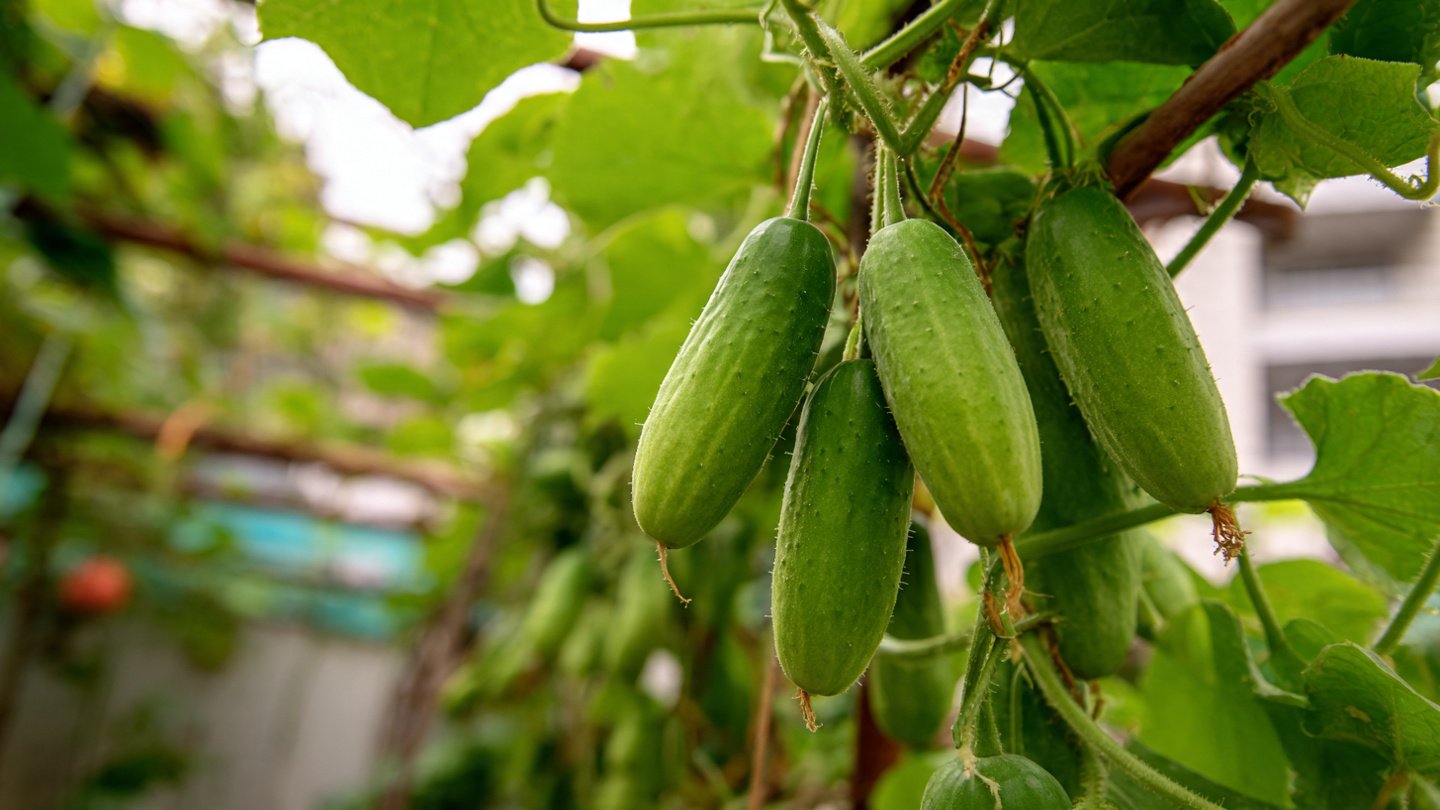
Cucumbers (Cucumis sativus) are one of the most popular and refreshing vegetables in home gardens. Crisp, juicy, and nutritious, they are perfect for salads, pickling, smoothies, and even snacks. However, one common challenge gardeners face is the bitter taste in cucumbers, which can make homegrown cucumbers less enjoyable.
The bitterness in cucumbers is primarily caused by cucurbitacin, a naturally occurring compound produced as a defense mechanism by the plant. While cucurbitacin can’t be completely eliminated, understanding its causes and following the right cultivation techniques can help you grow sweeter, milder cucumbers in your home garden. This guide provides step-by-step instructions and practical tips to achieve a bountiful harvest of flavorful cucumbers.
Why Cucumbers Become Bitter
Understanding why cucumbers turn bitter helps in preventing it:
- Environmental Stress: High temperatures, uneven watering, or drought stress increase cucurbitacin production.
- Over-Maturity: Leaving cucumbers on the vine too long results in bitterness. Harvesting promptly is key.
- Variety Choice: Some cucumber varieties naturally produce higher cucurbitacin levels, leading to a bitter taste.
- Soil and Nutrient Imbalance: Poor soil fertility, especially low potassium and phosphorus, can increase bitterness.
By controlling these factors, you can enjoy consistently sweet cucumbers from your home garden.
Step 1: Choose the Right Cucumber Variety
Selecting the right variety is the first step to growing sweet cucumbers:
- Pick Sweet Varieties: Look for varieties bred for mild flavor and low bitterness, such as:
- ‘Marketmore 76’ – disease-resistant and sweet.
- ‘Sweet Success’ – perfect for slicing with mild flavor.
- ‘Bush Champion’ – compact, productive, and less bitter.
- Avoid Bitter-Prone Varieties: Some long, thick-skinned cucumbers or traditional bitter melon hybrids tend to be more bitter.
Choosing the right variety ensures you start with plants that are naturally sweeter and less prone to bitterness.
Step 2: Soil Preparation
Healthy, nutrient-rich soil is key to producing sweeter cucumbers:
- Soil Type: Cucumbers prefer loose, well-draining, fertile soil. Loamy soil enriched with organic matter is ideal.
- Soil pH: Aim for slightly acidic to neutral soil (pH 6.0–7.0).
- Preparation:
- Loosen the soil to a depth of 12–15 inches.
- Mix in compost or well-rotted manure for fertility.
- Add a balanced fertilizer with nitrogen, phosphorus, and potassium to support growth and fruit development.
Proper soil preparation provides essential nutrients and reduces environmental stress that can cause bitterness.
Step 3: Planting Techniques
Planting cucumbers correctly promotes healthy growth and sweet fruit production:
- Direct Sowing vs. Transplants:
- Direct sow seeds after the last frost, spacing 12–18 inches apart.
- Start seeds indoors 3–4 weeks before the last frost to give seedlings a head start.
- Spacing: Allow 3–4 feet between rows for adequate airflow, sunlight, and growth.
- Support for Vining Varieties: Use trellises or stakes to encourage vertical growth. This keeps fruits off the ground, reduces disease, and helps maintain sweetness.
Correct planting ensures strong root systems and minimizes stress, which is crucial for sweet cucumbers.
Step 4: Watering for Sweetness
Inconsistent watering is a leading cause of bitter cucumbers:
- Frequency: Water deeply 1–2 times per week, adjusting for rainfall and temperature.
- Consistency: Keep the soil evenly moist; avoid letting it dry out completely.
- Method: Drip irrigation or soaker hoses work best to keep foliage dry and reduce disease risk.
- Mulching: Apply 2–3 inches of organic mulch around the base of plants to retain moisture, regulate soil temperature, and prevent stress-induced bitterness.
Maintaining consistent moisture reduces cucurbitacin production and ensures sweeter fruits.
Step 5: Fertilization for Sweet Cucumbers
Balanced nutrition plays a vital role in flavor development:
- Nitrogen: Supports healthy foliage growth. Avoid excessive nitrogen, as too much leaf growth can reduce fruit sweetness.
- Potassium: Crucial for fruit development and sweetness. Apply potassium-rich fertilizer during flowering and fruiting stages.
- Phosphorus: Encourages root growth and improves overall plant health.
- Micronutrients: Calcium and magnesium prevent blossom end rot and enhance fruit quality.
Tip: Use a slow-release fertilizer or organic options like composted manure or seaweed extract to maintain steady nutrient supply.
Step 6: Pruning and Training
Proper pruning and training of cucumber vines improve airflow, sunlight exposure, and fruit quality:
- Remove Excess Leaves: Cut off large leaves that shade fruits, allowing sunlight to enhance sweetness.
- Tip Pruning: Pinch growing tips after the plant reaches the top of the trellis to encourage lateral growth.
- Support Fruits: For heavy fruits, tie them gently to the trellis to prevent bending or damage.
Pruning also reduces stress on the plant, which minimizes bitter compound formation.
Step 7: Pest and Disease Management
Healthy plants produce sweeter cucumbers:
- Common Pests: Aphids, cucumber beetles, and spider mites. Control using neem oil, insecticidal soap, or companion planting (like marigolds).
- Diseases: Powdery mildew, downy mildew, and mosaic virus. Ensure proper spacing, avoid overhead watering, and choose resistant varieties.
- Regular Monitoring: Inspect plants weekly to catch problems early before they affect fruit quality.
Healthy, stress-free plants naturally produce sweeter cucumbers.
Step 8: Optimal Harvesting
Harvesting at the right stage is critical for sweetness:
- Harvest Early: Pick cucumbers when they are firm, green, and immature, typically 6–8 inches long for slicers.
- Frequent Harvesting: Check plants every 2–3 days; leaving cucumbers on the vine too long increases bitterness.
- Harvest Technique: Use a sharp knife or scissors to cut the fruit, leaving a small stem attached to avoid damage.
Frequent, timely harvesting encourages continuous fruit production and prevents bitterness.
Step 9: Environmental Tips for Sweet Flavor
Environmental conditions affect cucumber flavor:
- Temperature: Ideal growth occurs at 70–85°F (21–29°C). Extremely high or low temperatures can stress the plant and produce bitter fruits.
- Sunlight: Provide at least 6–8 hours of direct sunlight daily. Light exposure enhances photosynthesis and sugar production.
- Humidity Control: Avoid excess humidity, which promotes fungal diseases. Proper airflow reduces stress and bitterness.
- Stress Reduction: Avoid sudden changes in water, fertilizer, or temperature, as stress triggers cucurbitacin formation.
Creating stable, optimal growing conditions is essential for sweet cucumbers.
Step 10: Post-Harvest Tips
Even after harvesting, proper handling preserves sweetness:
- Storage: Keep cucumbers in a cool, shaded area or refrigerate at 50–55°F (10–13°C).
- Avoid Long Storage: Over time, cucumbers can develop bitterness. Consume fresh for the best taste.
- Processing: If making pickles, choose cucumbers harvested at the right stage for optimal flavor.
Handling harvested cucumbers properly ensures their sweet flavor lasts.
Bonus Tips for Sweeter Cucumbers
- Companion Planting: Plant cucumbers near beans or radishes to improve soil health and growth.
- Regular Feeding: Light foliar feeding with seaweed extract enhances sweetness.
- Avoid Overcrowding: Ensure proper spacing to reduce competition and stress.
- Rotate Crops: Prevent soil-borne diseases that can affect plant vigor and fruit flavor.
By implementing these extra steps, gardeners can maximize both yield and taste.
Conclusion
Growing sweeter cucumbers without the bitter taste is achievable with proper care, attention, and timing. By choosing the right varieties, preparing nutrient-rich soil, providing consistent water, training vines, managing pests, and harvesting at the right time, you can enjoy crisp, sweet cucumbers from your own home garden.
These techniques not only improve flavor but also increase yield, making your backyard cucumber patch both productive and delicious. Whether you are a beginner or an experienced gardener, following this guide will help you grow cucumbers that are sweet, refreshing, and perfect for salads, pickles, and snacks all season long.
Start implementing these strategies today and enjoy the satisfaction of harvesting homegrown cucumbers that taste better than anything from the store!