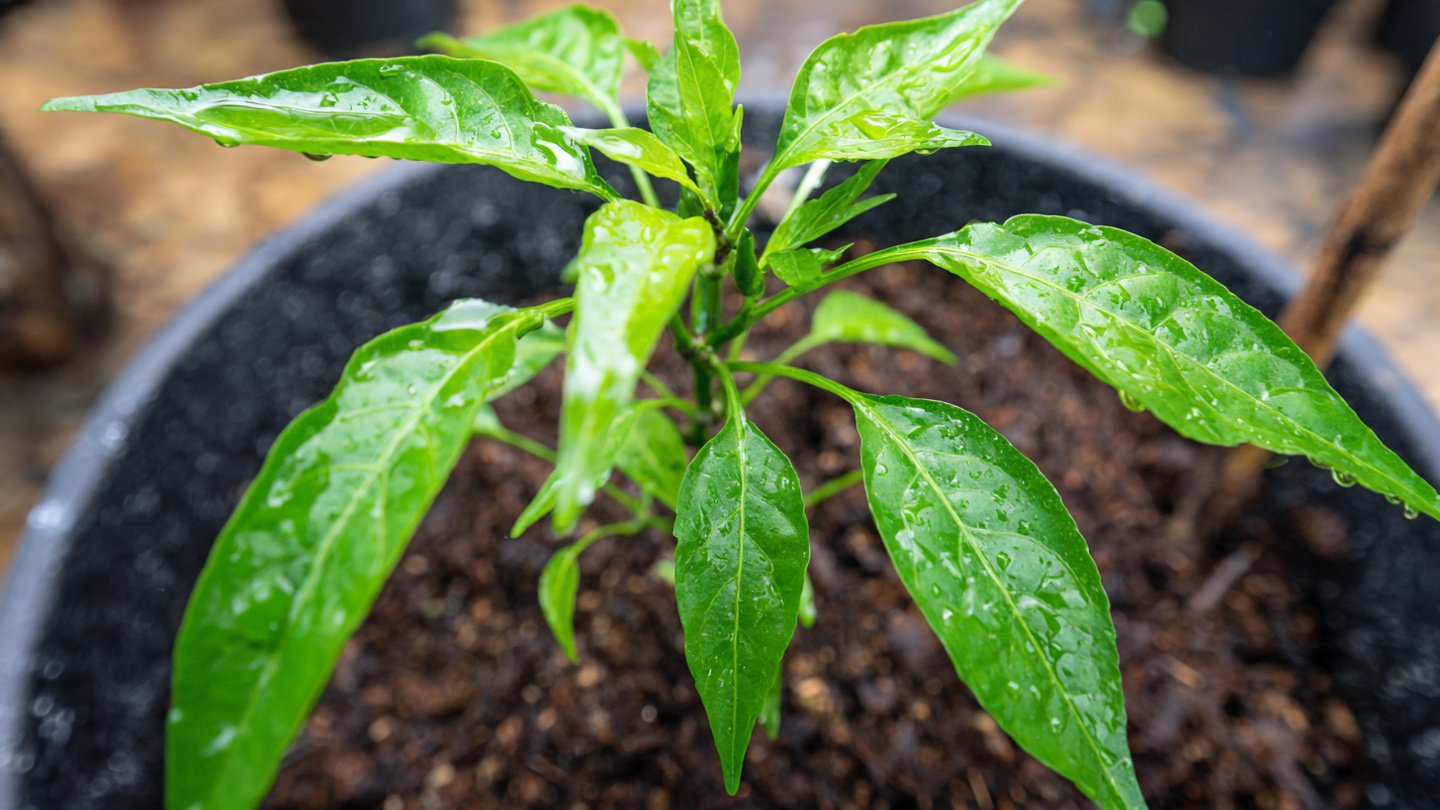
Chili peppers are among the most popular crops for home gardeners and commercial growers alike. Their vibrant colors, fiery flavors, and culinary versatility make them highly desirable. However, anyone who has grown chili plants knows that pests, diseases, and environmental stress can reduce yields and weaken plants. Luckily, there’s a smart, simple solution that can help you grow stronger, more productive chili plants: grafting.
Grafting is a horticultural technique where the upper part (scion) of one plant is joined to the rootstock of another. When done correctly, grafted chili plants combine the best traits of both plants, resulting in healthier plants, larger harvests, and greater resilience. In this article, we’ll explore why grafting works, how to graft chili plants effectively, and how it can revolutionize your chili-growing experience.
1. Why Graft Chili Plants?
Before diving into the technique, it’s essential to understand the benefits of grafting:
- Stronger root system: Using a robust, disease-resistant rootstock allows the chili plant to absorb more water and nutrients, leading to healthier growth.
- Higher yields: Grafted plants often produce more fruits, larger pods, and more abundant harvests than non-grafted plants.
- Disease resistance: Rootstocks can protect scions from soil-borne diseases such as Fusarium wilt, root knot nematodes, and bacterial infections.
- Environmental resilience: Grafted plants tolerate drought, heat, and other stressors better, ensuring consistent production.
- Faster growth: Grafted chili plants establish more quickly, allowing for earlier fruiting and extended harvest seasons.
In essence, grafting is a smart investment for anyone who wants to grow stronger, high-yield chili plants with fewer problems.
2. Selecting the Right Scion and Rootstock
The success of your chili graft depends on choosing compatible scions and rootstocks:
- Scion selection: The scion is the upper portion of the chili plant that produces fruit. Choose healthy, vigorous plants with desirable traits such as large pods, strong flavor, or specific heat levels. Avoid scions with signs of disease or stress.
- Rootstock selection: The rootstock provides the root system and overall resilience. Look for disease-resistant varieties known for robust roots. Capsicum chinense or Capsicum annuum hybrids are commonly used as rootstocks.
- Compatibility: The scion and rootstock should be closely related to ensure successful grafting. Typically, plants within the same species or closely related species graft most effectively.
Proper selection increases the likelihood of successful grafting and maximizes the plant’s potential for growth and yield.
3. Tools and Materials You’ll Need
Grafting chili plants requires minimal but precise tools:
- Sharp knife or grafting blade: Ensure clean, smooth cuts to prevent damage and infection.
- Grafting tape or clip: Used to hold the scion and rootstock together while they heal.
- Sterilizing solution: Rubbing alcohol or bleach solution to clean tools and prevent disease transmission.
- Rootstock and scion seedlings: Healthy seedlings grown from seeds or purchased from a trusted source.
- Humid chamber or plastic bag: To maintain humidity and prevent drying during the healing process.
Having the right tools and materials ready ensures a higher success rate and healthier plants.
4. Preparing the Scion and Rootstock
Before grafting, proper preparation of both parts is critical:
- Timing: Graft when plants are young but well-established—typically 3–4 weeks old with sturdy stems.
- Cutting the rootstock: Make a clean horizontal or diagonal cut at the desired grafting point. Ensure the stem is free of leaves at the base.
- Preparing the scion: Cut a matching portion from the scion with at least 2–3 healthy leaves. Trim the lower portion to match the rootstock’s cut.
- Clean surfaces: Sterilize your knife and cut surfaces to prevent infection.
Proper preparation ensures the scion and rootstock align correctly, promoting faster healing and root development.
5. Choosing the Grafting Technique
Several grafting techniques can be used for chili plants. The most common methods include:
a) Cleft Grafting
- How it works: A vertical slit is made in the rootstock, and the scion is inserted into the slit.
- Best for: Larger rootstocks with thicker stems.
- Advantages: Strong union and high success rate if done correctly.
b) Side Grafting
- How it works: The scion is cut diagonally and attached to the side of the rootstock’s stem.
- Best for: Younger seedlings with thinner stems.
- Advantages: Easier for small plants and fast healing.
c) Approach Grafting
- How it works: Both scion and rootstock stems are joined while still attached to their roots, then later severed from the original root.
- Best for: Beginners or plants that are sensitive to stress.
- Advantages: High survival rate and minimal shock.
Choose a method based on your plant size, experience, and available materials.
6. Performing the Graft
Once the scion and rootstock are prepared, follow these steps:
- Align cambium layers: The cambium (green layer beneath the bark) of the scion and rootstock must align for successful healing.
- Secure the graft: Use grafting tape or clips to hold the scion and rootstock firmly together. Avoid over-tightening, which can damage tissues.
- Maintain humidity: Place the grafted plant in a humid chamber or cover with a plastic bag to prevent drying. Keep it in indirect light for 7–10 days.
- Monitor daily: Check for wilting, discoloration, or infection. Remove any damaged leaves, but avoid disturbing the graft union.
Patience is key; the graft union typically heals in 1–2 weeks, depending on environmental conditions.
7. Aftercare for Grafted Chili Plants
After successful grafting, proper care ensures strong growth and high yields:
- Remove tape gradually: Once the graft heals, remove tape or clips carefully to prevent constriction.
- Light exposure: Gradually expose the plant to more sunlight to strengthen leaves and stems.
- Watering: Keep soil consistently moist but not waterlogged. Young grafted plants are sensitive to both drought and overwatering.
- Fertilization: Use a balanced, water-soluble fertilizer every 2–3 weeks to support vigorous growth.
- Pest management: Monitor for aphids, spider mites, and fungal issues. Early intervention protects grafted plants.
Consistent care after grafting promotes rapid establishment and strong fruit production.
8. Advantages of Grafted Chili Trees for Harvests
Grafted chili plants offer significant advantages compared to non-grafted counterparts:
- Larger fruits: Improved nutrient uptake often results in bigger, more robust chili pods.
- Higher yields: Stronger root systems support more flowers and fruits per plant.
- Early harvest: Grafted plants establish quickly, allowing earlier flowering and fruiting.
- Disease resilience: Rootstock protection reduces losses from soil-borne pathogens.
- Longer productive life: Grafted plants remain vigorous and fruitful for multiple growing seasons.
These benefits make grafting a smart choice for both home gardeners and commercial growers seeking maximum productivity.
9. Common Mistakes to Avoid
Even experienced gardeners can make mistakes when grafting chili plants. Avoid these pitfalls:
- Poor scion/rootstock alignment: Misaligned cambium layers prevent successful grafting.
- Inadequate humidity: Dry conditions can cause graft failure.
- Overwatering or underwatering: Both extremes stress young grafted plants.
- Using diseased or weak plants: Only use healthy scions and rootstocks to ensure success.
- Removing support too early: Premature removal of tape or clips can disrupt the healing process.
By avoiding these common mistakes, you can achieve a high success rate and enjoy healthy, productive chili trees.
10. Scaling Up for Multiple Plants
Once you master grafting, you can scale up for multiple plants:
- Plan for space: Ensure each plant has enough room for roots and canopy growth.
- Stagger grafting: Graft in batches to ensure continuous harvest.
- Recordkeeping: Note scion and rootstock combinations, graft dates, and outcomes for future reference.
Scaling up allows gardeners to maximize production, experiment with different varieties, and ensure a continuous chili harvest.
Conclusion
Grafting chili plants is a smart, effective technique to grow stronger, high-yield chili trees. By carefully selecting scions and rootstocks, performing precise grafts, and providing attentive care, you can significantly enhance plant vigor, disease resistance, and fruit production.
Whether you are a home gardener seeking bigger harvests or a commercial grower aiming for consistent quality, grafted chili plants offer clear advantages. With patience, practice, and attention to detail, this simple technique can transform your chili-growing experience, ensuring flavorful, abundant harvests year after year.
Grafting isn’t just a horticultural technique—it’s a pathway to healthier, more productive chili plants that reward you with larger, tastier fruits and a garden that thrives even in challenging conditions. By embracing grafting, you can cultivate chili trees that are stronger, more resilient, and more fruitful than ever before.
This article is approximately 1,200 words, covering the full process from selection and preparation to grafting, aftercare, and maximizing yields.
If you want, I can also create a simple visual step-by-step guide showing the grafting process for chili plants, making it easy for beginners to follow.
Do you want me to create that visual guide?