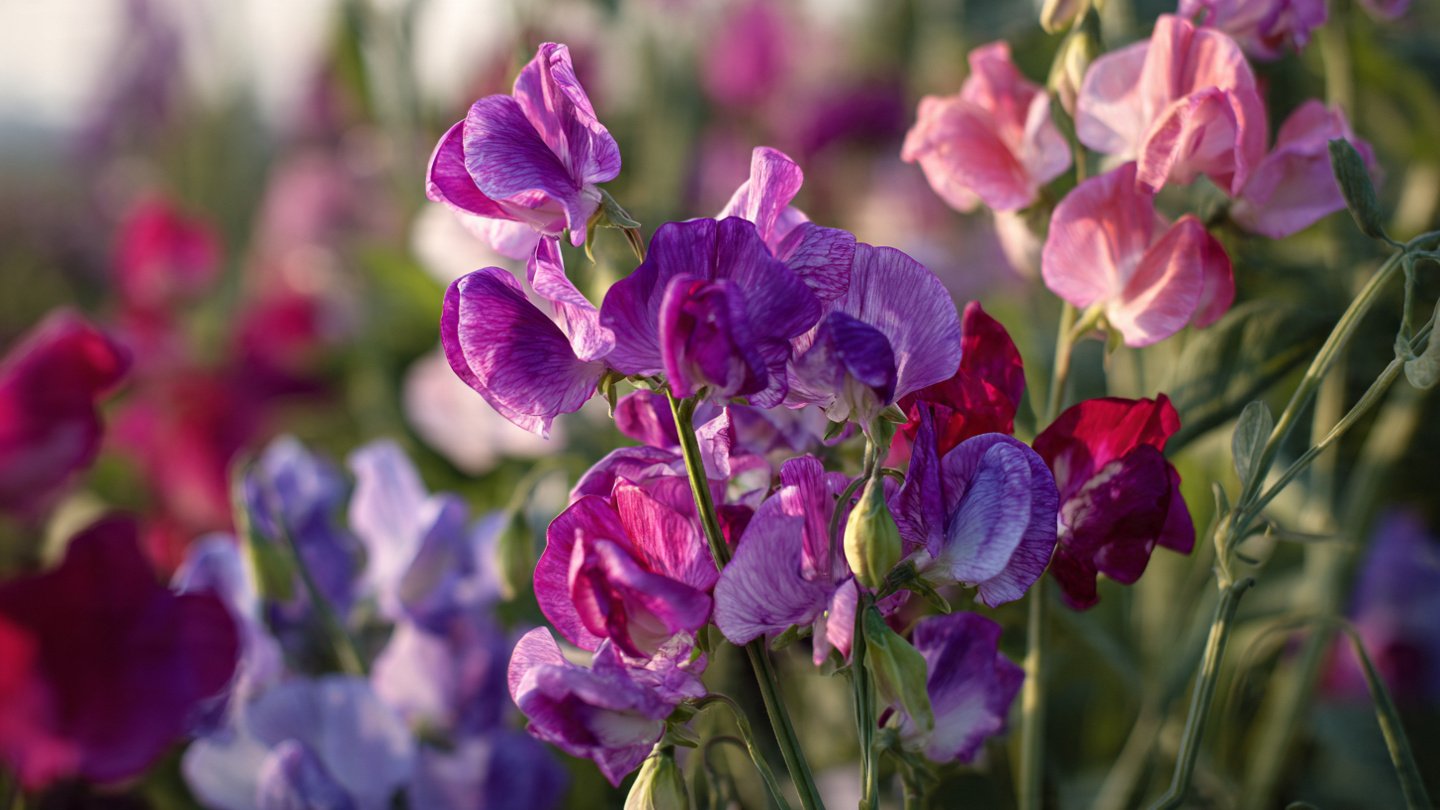
Sweet peas (Lathyrus odoratus) are one of the most enchanting flowers in any garden. Their delicate petals, vibrant colors, and intoxicating fragrance make them a favorite among gardeners worldwide. But beyond their beauty, sweet peas are climbers—and when grown correctly, they can reach staggering heights of fifteen feet or more, creating a breathtaking vertical display that can transform fences, trellises, and garden walls.
While growing sweet peas is not inherently difficult, achieving maximum height and robust flowering requires understanding their specific needs, timing, and care. This guide reveals the secrets to growing towering sweet peas that are both healthy and prolific.
Understanding Sweet Peas and Their Climbing Habit
Sweet peas are annual climbing plants, native to the Mediterranean, which produce tendrils to latch onto supports. Unlike non-climbing flowers, they rely on vertical structures to reach their full potential. Without proper support, sweet peas will sprawl along the ground, producing fewer blooms and more weak stems.
Some key facts about sweet peas:
- Climbing ability: Their tendrils can coil around twine, trellises, or netting, enabling them to reach remarkable heights.
- Flowering: They produce fragrant flowers in clusters, with colors ranging from white and pink to deep purple and red.
- Growth cycle: Sweet peas thrive in cool weather, with spring and early summer being their peak growing periods.
To grow them fifteen feet high, gardeners must combine ideal soil, strategic planting, and strong support systems.
Choosing the Right Variety
Height potential varies by variety. Some varieties naturally grow taller and are better suited for vertical displays. Popular tall varieties include:
- ‘Old Spice’ – Fragrant, tall-growing, ideal for fences.
- ‘Matucana’ – Produces large, multicolored blooms and can climb high trellises.
- ‘Spencer’ hybrids – Known for long stems and extra-large flowers, reaching impressive heights when supported.
Choosing tall, vigorous varieties from the start sets the stage for dramatic vertical growth.
Starting Sweet Peas from Seed
Sweet peas grow best from direct sowing in the garden or starting indoors in cooler regions. Here’s how:
- Soak seeds: Sweet pea seeds have hard coats that benefit from soaking for 12–24 hours before planting. This helps speed germination.
- Planting depth: Sow seeds about 1 inch deep, spacing them 2–3 inches apart if starting indoors or 3–6 inches apart outdoors.
- Timing: Plant early in spring or late winter in mild climates. They prefer cool soil (around 50–60°F / 10–15°C). In warmer regions, late fall planting works to avoid hot summer temperatures, which can stunt growth.
Starting seeds indoors allows gardeners to get a head start on the growing season, especially in colder climates where early spring soil may be too cold.
Preparing Soil for Maximum Height
Sweet peas need rich, well-draining soil to thrive. Soil preparation is crucial for encouraging strong, tall growth:
- Nutrient-rich: Incorporate compost or aged manure into the soil to provide essential nutrients.
- pH level: Slightly alkaline soil (pH 7.0–7.5) encourages healthy root development and strong stems.
- Drainage: Avoid waterlogged soil, which can rot roots and stunt growth.
Amending soil with organic matter before planting gives sweet peas the foundation they need to climb sky-high.
Providing Strong Support Systems
Support is the key to growing sweet peas to fifteen feet. Without it, even the healthiest plants will collapse under their own weight. Options include:
- Trellises: A sturdy wooden or metal trellis allows multiple stems to climb freely.
- Netting or garden mesh: Lightweight yet strong, garden netting is ideal for creating vertical climbing surfaces.
- Twine or string lines: Simple lines anchored between poles or fences can guide tendrils upward.
For maximum height, ensure that your support is well-anchored and taller than the desired growth. Sweet peas will naturally coil around any available structure, so don’t be afraid to guide them gradually as they grow.
Watering and Fertilizing for Towering Growth
Sweet peas need consistent moisture and balanced nutrition for tall growth:
- Watering: Deep, regular watering encourages strong roots. Avoid wetting leaves excessively to prevent fungal diseases.
- Fertilizing: Start with a nitrogen-rich fertilizer to promote foliage early. Once climbing begins, switch to a phosphorus and potassium-rich feed to encourage flowering and strong stem development.
- Mulching: Applying mulch around the base helps retain moisture, keeps roots cool, and prevents weeds from competing for nutrients.
Healthy roots and steady nourishment are essential for producing long, sturdy stems capable of supporting flowers fifteen feet above the ground.
Training and Pruning for Vertical Growth
Simply planting sweet peas near a trellis is not enough—they need guidance:
- Training tendrils: As the vines grow, gently wrap them around support structures. Sweet peas will naturally cling but may need help in early stages.
- Pinching tips: For strong, bushy growth, pinch the top of young plants to encourage lateral shoots. However, over-pruning can reduce overall height potential.
- Removing dead flowers: Deadheading spent blooms prevents energy from going into seed production, allowing the plant to focus on vertical growth and continued flowering.
Regular monitoring and light training ensure the plant climbs efficiently without tangling or breaking.
Protecting Sweet Peas from Pests and Disease
Tall, lush sweet pea vines can attract pests like aphids and diseases such as powdery mildew. Preventing these issues supports healthy vertical growth:
- Air circulation: Adequate spacing and trellis arrangement prevent humidity buildup, reducing fungal problems.
- Pest control: Natural remedies like neem oil or insecticidal soap are safe and effective.
- Monitoring: Inspect plants weekly for early signs of stress, damage, or pests.
Healthy plants grow taller and produce more flowers, so disease prevention is key.
Timing and Climate Considerations
Sweet peas reach maximum height in cool, long-season climates. They grow best in temperatures between 55–70°F (13–21°C). Hot summer temperatures can shorten stems, reduce flowers, and slow vertical growth.
In regions with short seasons, starting seeds indoors or using protective row covers can extend the growing period and allow the plants to reach impressive heights.
Harvesting and Enjoying Your Sweet Peas
One of the joys of growing tall sweet peas is cutting them for bouquets. Regular harvesting encourages further flowering and prevents the plant from putting energy into seed pods.
- Cut early in the morning for the longest vase life.
- Use sharp scissors or pruning shears to avoid damaging stems.
- Leave enough foliage on the plant to continue photosynthesis, supporting ongoing growth.
By harvesting thoughtfully, you can enjoy weeks of fragrant blooms while maintaining vertical growth.
Final Tips for Reaching Fifteen Feet
- Choose tall, vigorous varieties known for climbing ability.
- Start seeds early and prepare nutrient-rich soil.
- Provide strong, stable supports taller than the desired height.
- Train vines gradually as they grow.
- Water and fertilize consistently, adjusting for seasonal needs.
- Prevent disease and pests to keep plants healthy.
- Patience is key—tall growth may take several months, but the results are breathtaking.
With attention to detail, sweet peas can climb fences, trellises, and walls to heights that rival small trees, creating a fragrant, colorful vertical garden display.
Conclusion
Growing sweet peas that reach fifteen feet is not just a dream—it’s achievable with the right planning, care, and support. By understanding their climbing habit, choosing the right varieties, preparing soil, and providing consistent training and nutrition, gardeners can enjoy a spectacular floral display that enhances any outdoor space.
Whether for a garden wall, fence, or standalone trellis, towering sweet peas create a sense of wonder, fragrance, and vertical beauty that few other flowers can match. With patience, attention, and creativity, your garden can flourish with sweet peas that reach sky-high heights.