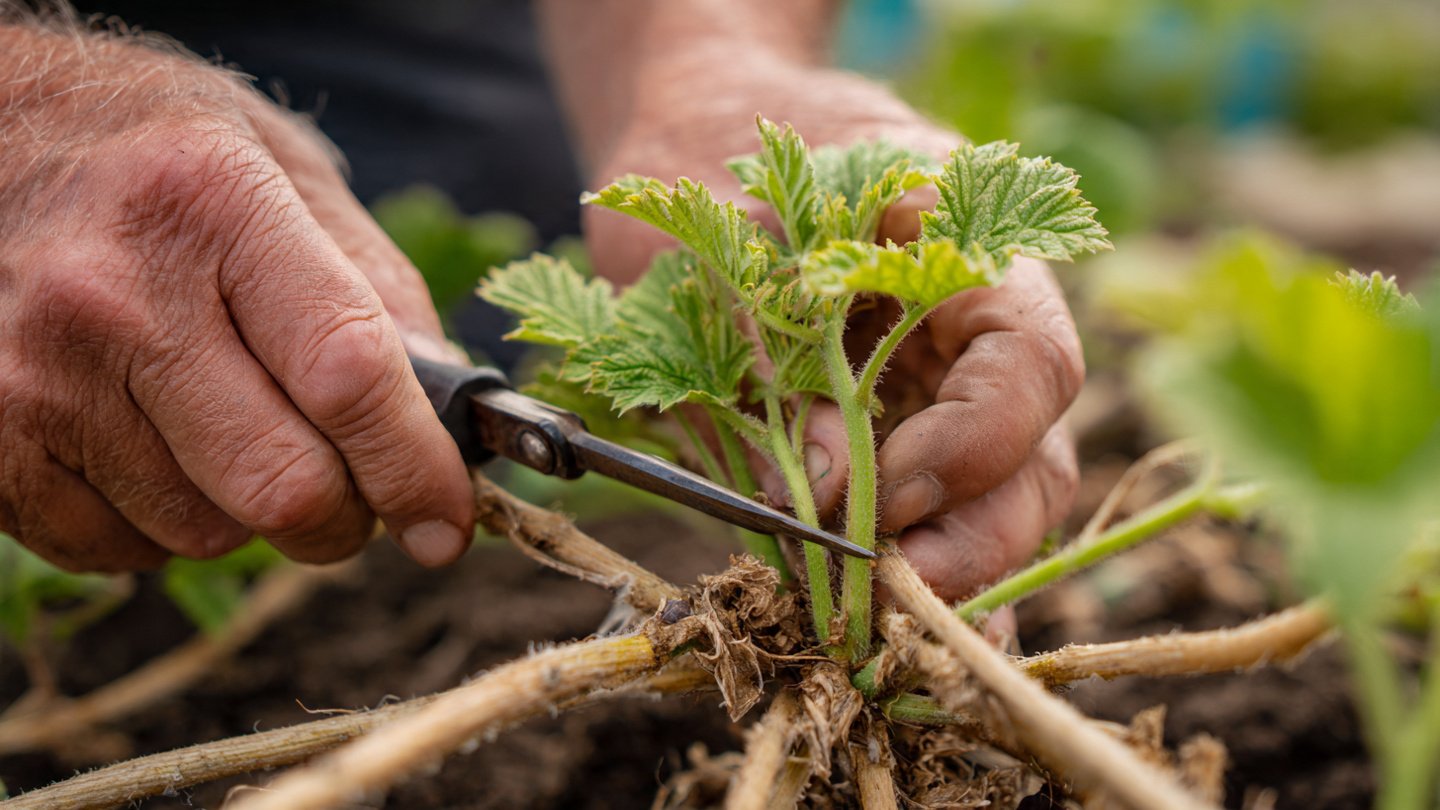
Pruning is one of the most misunderstood aspects of vegetable gardening. Done correctly, it encourages healthier plants, improves airflow, and can lead to a bigger harvest. Done incorrectly, however, pruning can stunt your vegetables’ growth, reduce their size, and even invite diseases. Many home gardeners unknowingly commit a common pruning mistake that significantly impacts their garden’s productivity. In this article, we’ll explore this critical mistake, why it happens, and how you can correct it to ensure your vegetables thrive.
Understanding the Role of Pruning in Vegetable Growth
Pruning is the selective removal of certain parts of a plant, such as stems, leaves, or flowers. In vegetables, pruning serves several purposes:
- Promotes Better Air Circulation – Dense foliage can trap moisture, creating a breeding ground for fungal diseases.
- Directs Energy to Fruit Production – By removing unnecessary leaves or shoots, the plant can focus energy on producing larger, healthier vegetables.
- Controls Plant Size and Shape – Some vegetables, like tomatoes or cucumbers, can grow sprawling vines. Pruning keeps them manageable and easier to harvest.
However, despite these benefits, gardeners often make one critical error: pruning too aggressively or at the wrong time.
The Pruning Mistake That Stunts Growth
The most common pruning mistake that stunts vegetable growth is removing too much foliage too early or indiscriminately. Many gardeners believe that cutting back large portions of a plant will help it “focus” on producing bigger vegetables. In reality, this can have the opposite effect.
Why Excessive Pruning Hurts Vegetables
Leaves are the food factories of plants. Through photosynthesis, they convert sunlight, water, and carbon dioxide into sugars and energy, which are essential for the growth of stems, roots, and fruits. When too many leaves are removed:
- Reduced Energy Production – With fewer leaves, the plant cannot produce enough energy to support its growth. This leads to smaller vegetables and slower overall development.
- Stress on the Plant – Cutting too much foliage at once stresses the plant, making it more susceptible to pests, diseases, and environmental challenges like heat or drought.
- Delayed Maturity – Vegetables may take longer to ripen because the plant lacks sufficient energy to nourish them.
In short, over-pruning or improper pruning reduces a plant’s capacity to feed itself and limits its potential.
Timing Matters
Another aspect of this common mistake is pruning at the wrong stage of growth. Young seedlings or newly transplanted vegetables need as much foliage as possible to establish strong roots and grow vigorously. Pruning at this stage can stunt their development permanently.
Conversely, pruning is most effective during mid-growth or when plants have established a robust canopy. At this stage, selective pruning can help redirect energy to fruit or vegetable production without sacrificing overall plant health.
Vegetables Most Affected by Improper Pruning
Not all vegetables respond the same way to pruning mistakes. Here are a few common examples:
- Tomatoes – Indeterminate tomato varieties are notorious for needing selective pruning. Removing too many leaves, especially early in growth, reduces photosynthesis and can lead to small, underdeveloped fruits.
- Peppers – Peppers naturally grow bushy, but aggressive pruning early on can delay flowering and fruit production.
- Cucumbers and Squash – Vine crops require careful pruning. Cutting back too many lateral shoots at the wrong time can weaken the vine and stunt the size of the cucumbers or squash.
- Eggplants – Eggplants rely heavily on leaf cover to produce large, glossy fruits. Over-pruning can lead to small, tough vegetables.
Understanding how each vegetable responds to pruning is essential for maximizing growth and size.
How to Prune Correctly for Maximum Growth
Avoiding the common pruning mistake involves a combination of proper timing, technique, and observation. Here’s how to prune vegetables effectively:
1. Start With Clean Tools
Always use sharp, sterilized pruning shears. Dull or dirty tools can tear plant tissue, leaving wounds that invite disease. A simple wipe with rubbing alcohol before pruning is sufficient.
2. Remove Only What’s Necessary
Focus on:
- Dead or Yellowing Leaves – These no longer contribute to photosynthesis.
- Crowded or Crossing Branches – Leaves or stems that overlap can block sunlight and reduce airflow.
- Suckers – In tomatoes, remove small shoots growing in the joint between the main stem and side branches. However, avoid removing too many at once.
3. Follow the 20–30% Rule
A good guideline is never to remove more than 20–30% of the foliage at one time. This allows the plant to maintain sufficient energy production while still redirecting nutrients to the developing fruits.
4. Prune at the Right Stage
- Seedlings – Avoid pruning until the plant is well-established. Focus on supporting root development and initial growth.
- Mid-Growth – Begin selective pruning to remove crowded leaves, improve airflow, and shape the plant.
- Fruit-Bearing Stage – Only remove leaves that block light or shade fruits. Avoid removing too many leaves, as these are crucial for fruit growth and sweetness.
5. Observe Plant Response
Every garden and plant is different. Monitor how your vegetables respond to pruning. If growth slows or leaves yellow after pruning, reduce the amount removed next time.
Other Common Pruning Errors to Avoid
In addition to over-pruning, gardeners often make these mistakes:
- Pruning During Heat Stress – High temperatures combined with heavy pruning can cause sunburned leaves and stressed plants. Wait for cooler parts of the day or season.
- Ignoring Disease Symptoms – Pruning diseased branches is necessary, but indiscriminately cutting healthy foliage won’t help. Remove only what is affected and dispose of it carefully.
- Neglecting Vertical Crops – Some vegetables, like pole beans and peas, need support structures. Failing to guide growth and prune appropriately can lead to tangled, low-yielding plants.
Avoiding these errors ensures that pruning actually benefits your garden instead of harming it.
Maximizing Vegetable Size Through Smart Pruning
When done correctly, pruning can significantly increase both the size and quality of your vegetables. Here are a few tips to maximize results:
- Support Your Plants – Use stakes, cages, or trellises to keep plants upright. This reduces the need for excessive pruning and helps vegetables grow larger.
- Feed and Water Adequately – Healthy, well-nourished plants recover faster from pruning and have more energy for growth.
- Mulch Around the Base – Mulching retains moisture and regulates soil temperature, reducing plant stress after pruning.
- Rotate Crops – Avoid planting the same crops in the same spot each season to reduce disease risk, which makes pruning safer and more effective.
Conclusion
Pruning is a powerful tool in the vegetable gardener’s arsenal, but it must be used wisely. The single most common mistake—removing too much foliage too early—can stunt growth, reduce vegetable size, and delay harvest. Understanding the role of leaves, timing your pruning correctly, and using careful techniques ensures that your plants remain healthy and productive.
Remember, gardening is as much about observation as it is about action. Watch your plants closely, prune selectively, and give them the support they need. By avoiding this pruning mistake, you can enjoy bigger, healthier vegetables and a more productive garden year after year.