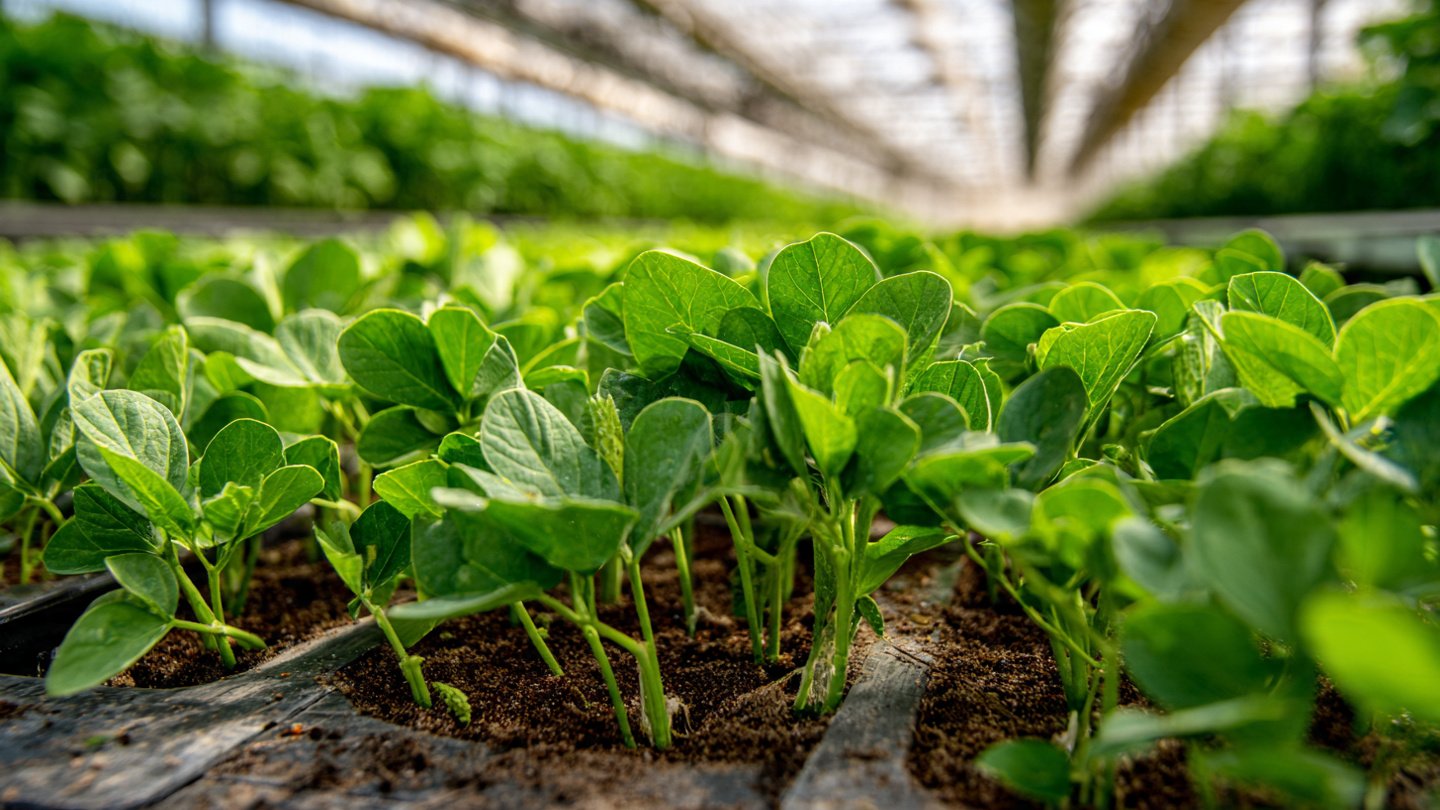
Peanuts, also known as groundnuts, are a highly nutritious and versatile crop. Traditionally grown in open fields, they require careful attention to soil, water, and nutrients to achieve a good harvest. But recent innovations in gardening and farming have introduced a smart technique for growing peanut plants that boosts pod production and ensures healthier plants with minimal effort. In this guide, we’ll explore step by step how to implement this technique and maximize your peanut harvest.
Why Focus on Higher Pod Production?
For peanut growers, the ultimate goal is higher pod yield. More pods mean more harvestable peanuts, better economic returns for farmers, and a more productive home garden. The challenges in achieving high pod production typically include:
- Poor soil fertility or structure
- Inconsistent watering
- Pest and disease damage
- Lack of proper plant spacing or support
The new smart technique addresses all these challenges, creating an optimized growing environment for peanuts.
Understanding Peanut Plants
Before diving into the technique, it’s important to understand peanut plant growth:
- Botanical name: Arachis hypogaea
- Growth type: Leguminous plant with underground pods
- Planting season: Warm climates, typically after frost risk has passed
- Flowering: Peanuts produce small yellow flowers above ground; after pollination, pegs grow downward and burrow into the soil, forming pods.
Pod development is heavily influenced by soil health, moisture, and nutrient availability. Optimizing these factors is key to higher production.
Introducing the Smart Technique
This new method combines container-based peanut cultivation, smart watering, and nutrient optimization to enhance pod growth. Here’s the step-by-step breakdown:
1. Use of Raised or Deep Containers
Instead of traditional rows in the garden, using deep containers or raised beds ensures proper soil aeration and prevents root compaction.
- Choose containers at least 12–15 inches deep.
- Ensure drainage holes to prevent waterlogging.
- Fill containers with loose, sandy-loam soil enriched with compost.
This setup allows peanut pegs to penetrate easily into the soil, promoting pod development.
2. Selecting High-Yield Peanut Varieties
Not all peanuts produce the same number of pods. For higher yields, choose:
- Virginia varieties: Large pods, high yield potential
- Runner varieties: Resistant to pests and adaptable to containers
- Spanish varieties: Early maturing, suitable for compact spaces
High-quality seeds or seedlings from a trusted source ensure strong, productive plants.
3. Pre-Soaking Seeds
A simple pre-treatment significantly improves germination and early growth:
- Soak peanut seeds in warm water for 6–8 hours before planting.
- This softens the seed coat and encourages faster sprouting.
- Plant seeds immediately after soaking in the container soil.
This small step leads to uniform germination and strong seedlings, setting the stage for higher pod production.
4. Smart Spacing and Planting
Peanut plants need space for proper root expansion and pod development:
- Space seeds 6–8 inches apart in rows within containers.
- Maintain at least 12 inches between rows if using multiple containers.
- Plant seeds about 1–2 inches deep for optimal germination and peg penetration.
Proper spacing reduces competition for nutrients and sunlight, enhancing pod growth.
5. Optimized Soil Nutrition
Peanuts are legumes and can fix nitrogen, but they still need other nutrients for maximum pod production:
- Add compost or well-rotted manure before planting.
- Supplement with phosphorus and potassium-rich fertilizers to promote flowering and pod development.
- Avoid excessive nitrogen fertilizers, which can promote foliage at the expense of pods.
Healthy, nutrient-rich soil ensures plants focus energy on flowering and pod formation rather than just leafy growth.
6. Smart Watering Technique
Consistent moisture is critical, especially during flowering and peg penetration:
- Water peanut plants deeply but infrequently to encourage strong root growth.
- Use a self-watering container or drip irrigation system to maintain even soil moisture.
- Avoid waterlogging, which can cause root rot and reduce pod formation.
The smart technique ensures plants receive water when needed without overwatering, supporting maximum pod yield.
7. Mulching to Enhance Growth
Mulching around the base of peanut plants provides multiple benefits:
- Retains soil moisture
- Reduces weed competition
- Maintains consistent soil temperature
Organic mulches like straw, dried leaves, or grass clippings work best. Mulching encourages healthy peg penetration, directly contributing to higher pod production.
8. Supporting Flowering and Peg Growth
The formation of pods begins after pollination:
- Peanuts produce yellow flowers above ground.
- After pollination, pegs grow downward into the soil to form pods.
To boost this process:
- Avoid disturbing the soil around pegs.
- Ensure containers are deep enough for full peg development.
- Keep soil loose and aerated for easy penetration.
Healthy peg development is the key to larger, more numerous pods.
9. Pest and Disease Management
Even in containers, peanut plants can face threats:
- Aphids and mites: Spray with neem oil or insecticidal soap.
- Leaf spot and blight: Maintain proper spacing and airflow to reduce fungal issues.
- Rodents or squirrels: Keep plants slightly elevated or use protective netting.
Preventive measures keep plants healthy, allowing them to focus energy on pod production.
10. Harvesting for Maximum Yield
Timing the harvest is crucial to ensure maximum pod production:
- Wait 120–150 days after planting, depending on variety.
- Check pods by gently digging a few plants; mature pods are brown and firm.
- Harvest by pulling the entire plant carefully from the container.
- Dry pods in the sun for 1–2 weeks before storage.
Regularly monitoring maturity ensures all pods reach full size and reduces losses from pests or over-ripening.
Benefits of the Smart Technique
This method offers multiple advantages over traditional peanut cultivation:
- Higher pod yield: Optimized soil, water, and spacing maximize the number and size of pods.
- Efficient use of space: Containers allow growing peanuts in small gardens or balconies.
- Reduced water usage: Smart watering methods conserve water while promoting healthy growth.
- Minimal maintenance: Pre-soaked seeds, nutrient-rich soil, and mulching reduce day-to-day effort.
- Improved plant health: Controlled conditions reduce disease and pest damage.
With this technique, even beginners can achieve abundant, high-quality peanuts without extensive farming knowledge.
Tips for Maximizing Pod Production
To get the best results, follow these additional tips:
- Rotate crops: Avoid planting peanuts in the same soil consecutively to reduce disease risk.
- Regularly inspect plants: Catch early signs of pest or disease problems.
- Use quality seeds: Healthy seeds produce stronger plants and larger pods.
- Maintain consistent sunlight: Peanuts need at least 6 hours of direct sunlight daily.
- Harvest timely: Overmature pods may split or become damaged.
By combining these tips with the smart technique, your peanut plants can produce more pods per plant than traditional growing methods.
My Experience
I implemented this technique in my own home garden using raised containers. By pre-soaking seeds, using compost-rich soil, mulching, and employing a self-watering system, I noticed:
- Faster germination and uniform seedling growth
- Taller, healthier plants with robust foliage
- Higher number of pods per plant
- Minimal pest issues due to elevated and controlled container growth
The results were impressive: a harvest of large, healthy peanuts with minimal effort, proving that this method works even on a small scale.
Conclusion
The new smart technique for growing peanut plants focuses on container cultivation, seed pre-treatment, optimized soil, smart watering, and proper support for peg development. When implemented correctly, it leads to higher pod production, healthier plants, and minimal maintenance.
Key takeaways:
- Use deep containers with well-draining, nutrient-rich soil.
- Pre-soak seeds for faster germination.
- Choose high-yield peanut varieties.
- Space plants properly and provide consistent watering.
- Support peg development and use mulch to retain moisture.
- Manage pests and diseases proactively.
- Harvest at the right time to maximize pod size and number.
By following this approach, even gardeners with limited space can enjoy abundant, high-quality peanuts without the complexities of traditional farming. Start small, implement these techniques, and you’ll soon reap a bountiful harvest of nutritious, delicious peanuts from your own garden.