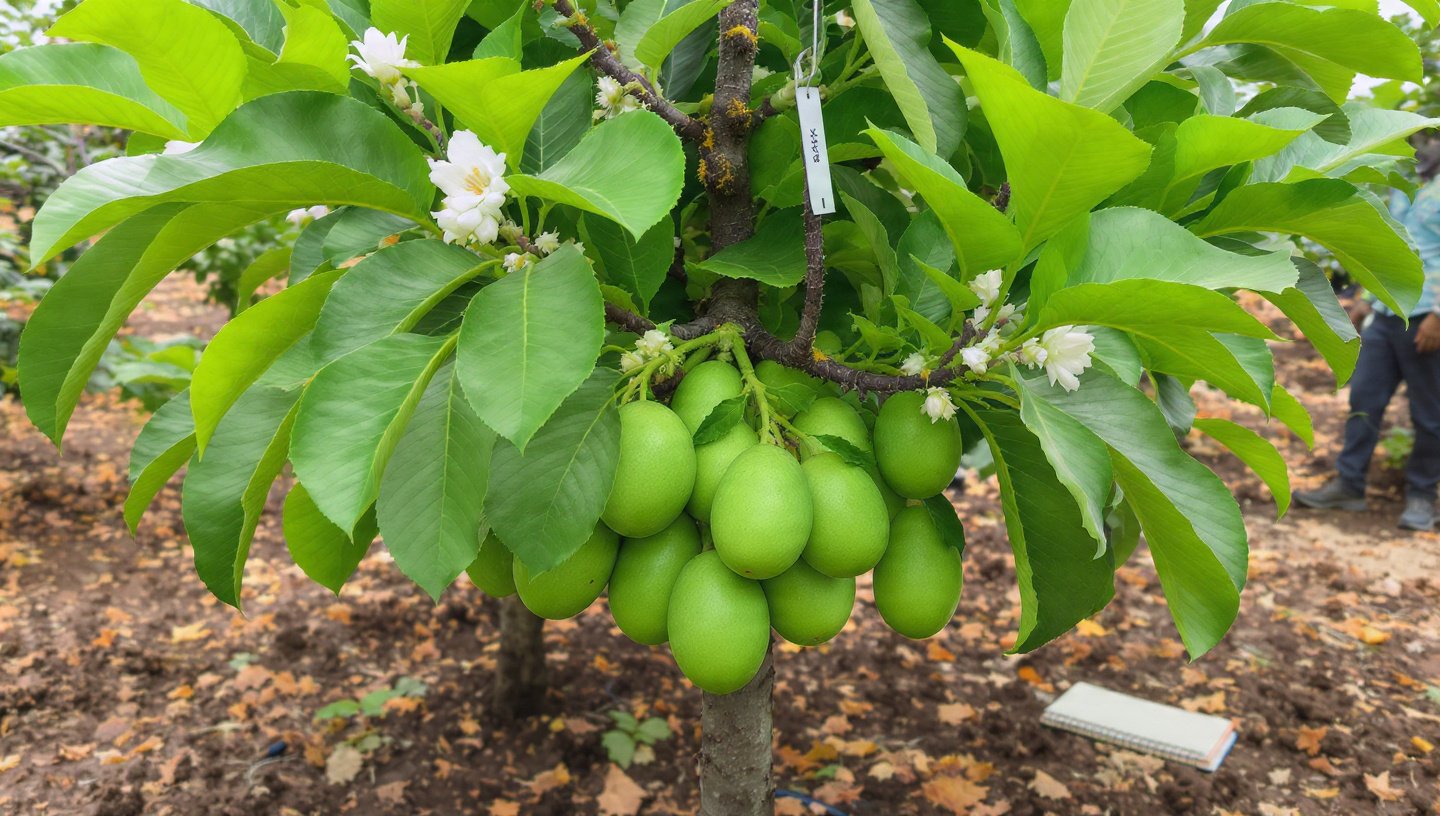
Guava is one of the most popular tropical fruits, valued for its sweet flavor, rich vitamin C content, and versatility in culinary uses. While many gardeners aspire to grow guava at home, one of the common challenges is waiting years for the tree to bear fruit, and often the production is less than expected. However, with the advent of new smart techniques, it is now possible to grow guava plants that fruit early and produce abundantly, even in home gardens or limited spaces.
In this article, we will explore these innovative techniques, focusing on proper plant selection, planting methods, care strategies, and production-boosting practices that can transform your guava-growing experience.
Understanding Guava and Its Growth Requirements
Before applying advanced techniques, it’s essential to understand the basics of guava cultivation. Guava trees thrive in tropical and subtropical climates and are relatively hardy, but certain factors significantly influence fruiting and yield.
1. Climate and Sunlight
Guava requires full sun exposure to grow and fruit optimally. At least 6–8 hours of direct sunlight daily ensures robust flowering and fruiting. While guava can tolerate short periods of drought, consistent watering during flowering and fruit development is critical for heavy production.
2. Soil Requirements
Guava trees grow best in well-draining, sandy loam soils with a pH of 5.5–7.0. While they can adapt to slightly acidic or alkaline soils, nutrient-rich, organic soils promote faster growth and better fruiting.
3. Watering Needs
Young guava plants require regular watering to establish a strong root system. Once mature, guava trees are moderately drought-tolerant but still need consistent moisture during the flowering and fruiting phases to maximize yield.
4. Nutrient Requirements
Guava is a heavy feeder. Nutrients like nitrogen, phosphorus, potassium, calcium, and micronutrients influence flowering, fruit set, and fruit size. Using balanced fertilizers or organic amendments like compost, vermicompost, and cow manure enhances soil fertility and overall plant health.
The Smart Technique for Early Fruiting
Traditional guava trees may take 2–5 years to bear fruit, which can discourage new gardeners. The new smart technique focuses on accelerating fruiting through grafting, pruning, and training methods.
1. Grafting for Faster Fruiting
One of the most effective ways to achieve early fruiting is grafting a quality guava variety onto a mature rootstock. This method allows you to:
- Reduce the juvenile period significantly.
- Ensure genetic quality and fruit characteristics.
- Boost resistance to diseases and environmental stress.
Steps for Successful Grafting:
- Select a healthy rootstock from a 6–12-month-old guava seedling.
- Choose scion wood from a healthy, high-yielding guava variety.
- Use techniques such as cleft grafting, veneer grafting, or approach grafting for better success.
- Secure grafts with tape or grafting clips and maintain humidity until the scion grows.
With grafting, it is possible for guava plants to bear fruit in as little as 12–18 months, instead of waiting 3–5 years for seed-grown trees.
2. Pruning and Training
Pruning is a critical part of increasing fruit production. Smart pruning focuses on:
- Removing weak and crowded branches to allow sunlight penetration.
- Shaping the plant to a manageable height and structure.
- Encouraging lateral branching, which produces more flower clusters.
A well-pruned guava tree receives more light and airflow, reducing pest and disease incidence while boosting flowering and fruit set.
3. Flower Induction Techniques
To stimulate early flowering and fruiting, certain environmental and nutritional strategies can be applied:
- Water stress management: A brief reduction in watering before flowering can trigger the tree to flower.
- Potassium-rich fertilizers: Potassium encourages flower and fruit development.
- Micronutrient supplementation: Boron and zinc play essential roles in fruit set and fruit quality.
Combining these techniques ensures your guava plants flower early and produce heavily.
Boosting Production for Maximum Yield
Once early fruiting is achieved, the next step is ensuring a high yield per plant. Several smart techniques enhance productivity.
1. High-Density Planting
Traditional guava orchards space trees widely, which reduces overall yield per area. By applying high-density planting, you can grow more plants in a limited space.
Tips:
- Maintain 1.5–2 meters between grafted plants for intensive orchards.
- Use vertical training and pruning to prevent overcrowding.
This approach maximizes fruit production per square meter while still allowing airflow and light penetration.
2. Mulching
Applying mulch around guava plants improves soil moisture retention, reduces weeds, and adds organic matter as it decomposes. Organic mulches like coconut husks, straw, or shredded leaves are excellent choices. Mulching reduces stress on the plant and supports continuous flowering and fruiting.
3. Irrigation Management
Consistent and regulated watering is essential, especially during flowering and fruiting. Drip irrigation systems are ideal for guava plants as they deliver water directly to the roots, conserve water, and prevent water-related diseases. Proper irrigation encourages bigger fruits and prevents fruit drop.
4. Nutrient Management
Regular fertilization tailored to the plant’s growth stage ensures abundant production:
- Early vegetative stage: Use nitrogen-rich fertilizers for strong leaf and branch growth.
- Flowering stage: Apply phosphorus and potassium-rich fertilizers to boost bloom and fruit set.
- Fruit development stage: Incorporate calcium and magnesium to improve fruit quality and shelf life.
Using organic inputs like vermicompost, neem cake, and fish emulsion also enhances soil biology and reduces chemical dependency.
5. Integrated Pest Management
Healthy, high-yielding guava plants are maintained by controlling pests and diseases. Common guava pests include fruit flies, mealybugs, and aphids, while diseases like wilt, anthracnose, and leaf spot can affect production.
Smart Strategies:
- Use pheromone traps for fruit flies.
- Spray neem oil or insecticidal soap for pest control.
- Ensure proper pruning and spacing to reduce disease incidence.
By minimizing plant stress, your guava tree can focus energy on producing fruits rather than defending itself.
Harvesting for Continuous Fruiting
Harvesting plays a crucial role in encouraging continuous flowering and fruiting.
- Pick fruits when they reach optimum maturity but before they over-ripen.
- Regular harvesting stimulates the tree to produce more flowers.
- Avoid damaging branches or buds while harvesting, as these are future fruiting points.
With consistent harvesting, your guava plants can produce fruit multiple times a year, especially in climates with minimal frost.
Indoor and Container Guava Growing
For gardeners with limited space or urban environments, guava can also be grown in large containers or pots using these smart techniques:
- Choose dwarf guava varieties for container growth.
- Use nutrient-rich potting soil with good drainage.
- Provide support stakes to manage growth.
- Use liquid fertilizers regularly to compensate for limited soil nutrients.
- Place containers in sunny windows or under grow lights to encourage flowering.
Container-grown guava plants, when grafted and properly pruned, can produce fruit earlier than traditional field-grown trees, making them ideal for home gardens.
Conclusion
The new smart techniques for guava cultivation—grafting, pruning, flower induction, high-density planting, and proper nutrient and pest management—allow gardeners to achieve early fruiting and heavy production like never before. By combining these methods, even a small backyard or container setup can yield a surprisingly abundant harvest, providing fresh, nutritious guavas throughout the year.
Key Takeaways:
- Start with grafted plants to shorten the fruiting period.
- Prune and train plants for optimal growth and fruit production.
- Manage watering and nutrients according to growth stage.
- Control pests and diseases proactively.
- Harvest regularly to stimulate continuous fruiting.
With attention to these strategies, your guava garden can flourish beyond expectations. Whether for personal consumption or small-scale commercial production, these techniques make guava cultivation easier, faster, and far more rewarding.
By adopting this smart approach, you’ll enjoy sweet, juicy guavas sooner and in greater quantity, transforming your gardening experience into a fruitful success.