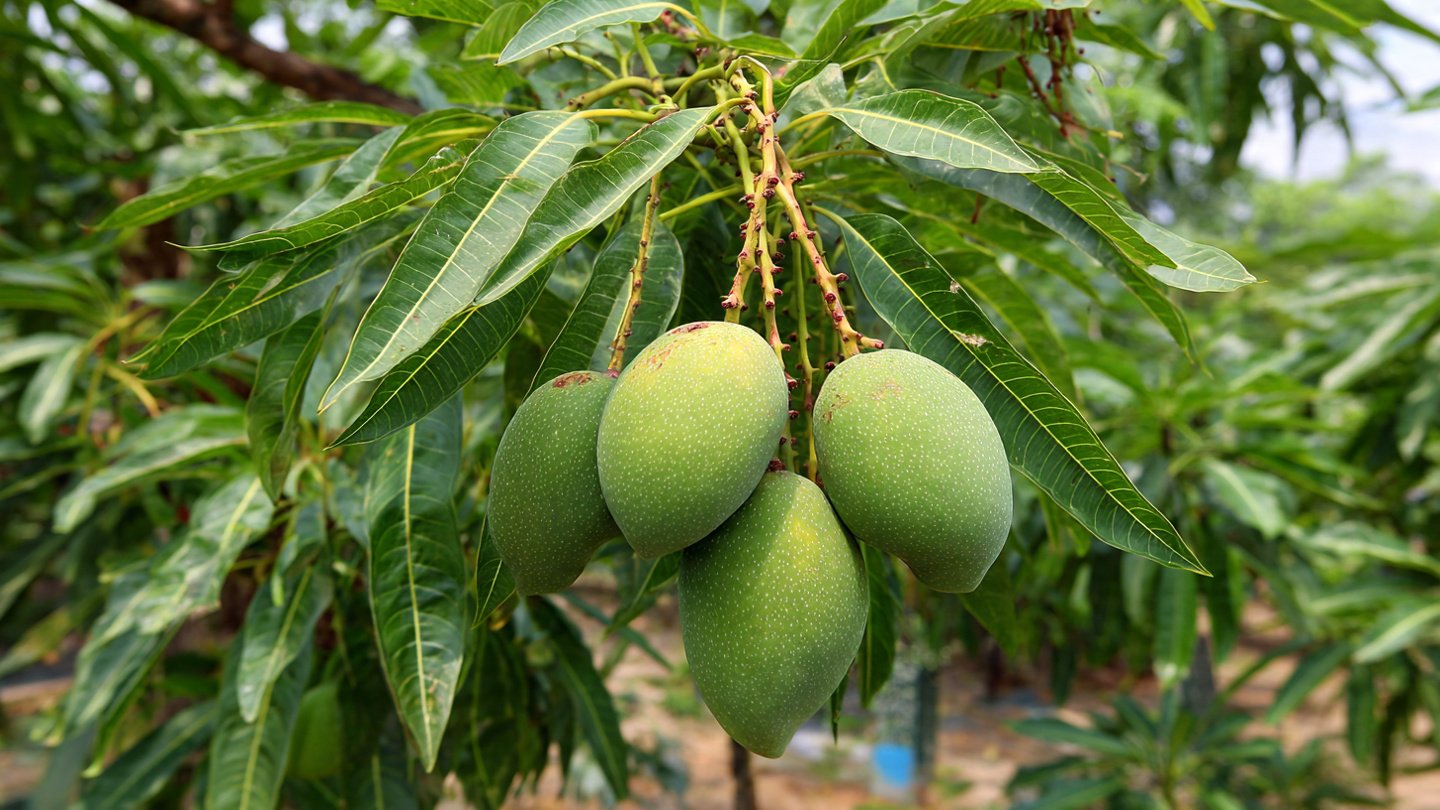
Mangoes, often called the “king of fruits,” are beloved worldwide for their sweet, juicy flesh and rich aroma. Growing mango trees, however, has traditionally been a long-term endeavor, often taking 4–6 years for a seed-grown tree to bear fruit. Farmers and home gardeners alike have faced the challenge of achieving early fruiting while ensuring heavy yields. Fortunately, recent advances in horticultural science have introduced a new technique that accelerates growth, enhances fruit production, and ensures stronger, healthier mango trees. This guide explores this revolutionary method and provides step-by-step instructions to maximize mango yield.
1. Understanding Mango Trees and Their Growth Challenges
Mango trees (Mangifera indica) are tropical evergreens that thrive in warm climates with well-drained soil. They are known for:
- Nutritional Value: Rich in vitamins A, C, and E, fiber, and antioxidants.
- Economic Importance: Mango cultivation is a major source of income in tropical regions.
- Culinary Versatility: Used in desserts, juices, pickles, and fresh consumption.
Despite their popularity, traditional mango cultivation faces challenges:
- Slow growth from seed propagation.
- Long juvenile periods before fruiting.
- Variability in fruit quality and yield.
The new scientific technique addresses these limitations, allowing mango trees to grow faster, flower earlier, and produce heavier yields.
2. The Revolutionary Technique: Grafting Combined with Hormonal Treatment
The new technique combines grafting with plant growth regulators (hormones) to accelerate mango growth and enhance fruit yield.
Why This Method Works:
- Faster Growth: Grafted saplings bypass the juvenile seedling stage, establishing roots and shoots more quickly.
- Uniform Quality: Grafting preserves the characteristics of the parent tree, ensuring sweet, high-quality fruits.
- Early Flowering: Hormonal treatments stimulate flowering within 2–3 years instead of the usual 4–6 years.
- Increased Yield: Trees are stronger, healthier, and produce larger quantities of fruit per season.
This combination of traditional horticulture and modern science revolutionizes mango cultivation, making it accessible and highly productive for both small-scale gardeners and commercial growers.
3. Selecting the Right Rootstock and Scion
Success begins with careful selection of rootstock (the base of the tree) and scion (the branch to be grafted):
- Rootstock Selection: Choose a hardy, disease-resistant rootstock with a strong root system. Common choices include seedling mangoes or dwarf rootstocks for limited spaces.
- Scion Selection: Select a healthy branch from a mature, high-yielding mango tree known for quality fruits. The scion should have 2–3 buds for successful grafting.
- Timing: The best time for grafting is during the early growing season, typically in spring or early summer, when sap flow is active.
Choosing the right combination ensures robust growth, high survival rates, and excellent fruit quality.
4. Preparing the Grafting Materials
Proper preparation of the scion and rootstock is essential:
- Tools: Use clean, sterilized knives or grafting blades to prevent infection.
- Cutting the Rootstock: Make a precise cut to match the scion type (cleft grafting, veneer grafting, or approach grafting).
- Preparing the Scion: Trim the scion to 4–6 inches, retaining at least 2–3 healthy buds. Remove damaged or diseased tissues.
- Hormonal Treatment: Dip the cut ends of the scion in a rooting hormone or growth regulator solution. This stimulates root development and encourages early flowering.
Well-prepared grafting materials increase the chances of a successful union and rapid growth.
5. Grafting Process
There are several grafting techniques, but cleft grafting is the most effective for mango trees:
- Make the Cleft: Split the top of the rootstock with a clean, vertical cut about 2–3 inches deep.
- Insert the Scion: Fit the scion snugly into the cleft, ensuring cambium layers (the green tissue under the bark) of scion and rootstock align.
- Secure the Graft: Use grafting tape or parafilm to hold the scion in place. Seal the edges with wax or grafting sealant to prevent moisture loss.
- Protection: Keep the grafted sapling in partial shade for 1–2 weeks to reduce stress.
Successful grafting allows the tree to combine the vigor of the rootstock with the fruiting qualities of the scion.
6. Post-Grafting Care
After grafting, careful care ensures the sapling develops into a strong, fruit-bearing tree:
- Watering: Keep soil consistently moist but not waterlogged.
- Humidity: Maintain humidity around the graft site with a plastic bag or protective cover if necessary.
- Sunlight: Gradually expose the sapling to full sunlight over 2–3 weeks.
- Fertilization: Apply balanced, slow-release fertilizer to support root and shoot development.
Proper post-grafting care reduces stress, promotes healthy growth, and ensures early flowering.
7. Stimulating Faster Growth and Flowering
The new technique uses plant growth regulators (PGRs) to accelerate development:
- Cytokinins: Promote cell division and leaf growth.
- Gibberellins: Encourage stem elongation and early flowering.
- Auxins: Enhance root development and graft success.
Application involves spraying diluted PGR solutions on young leaves and buds or dipping grafts in hormonal solutions. Regular application during the first 6–12 months improves vigor, encourages early flowering, and enhances fruit set.
8. Optimal Soil and Nutrient Management
Healthy mango trees need nutrient-rich, well-draining soil:
- Soil Type: Sandy loam or loamy soils with pH 5.5–7 are ideal.
- Organic Matter: Incorporate compost or well-rotted manure to improve fertility.
- Fertilization Schedule: Use nitrogen-rich fertilizers during vegetative growth, then shift to phosphorus and potassium during flowering and fruiting.
- Mulching: Retain moisture, regulate soil temperature, and reduce weed competition.
Nutrient management ensures strong roots, lush foliage, and a bountiful harvest.
9. Watering and Irrigation
Watering is critical for young and fruiting mango trees:
- Young Trees: Keep soil moist but avoid waterlogging. Water 2–3 times a week depending on weather.
- Mature Trees: Deep watering during flowering and fruit set improves fruit size and yield.
- Drip Irrigation: Recommended for efficient water use and prevention of fungal diseases.
Proper irrigation supports faster growth, stronger stems, and heavier fruit yield.
10. Pest and Disease Control
Mango trees can be affected by pests and diseases that reduce yield:
- Common Pests: Mango hoppers, mealybugs, and fruit flies.
- Diseases: Powdery mildew, anthracnose, and root rot.
- Prevention: Regular pruning, proper spacing, and organic sprays like neem oil help prevent infestations.
Early monitoring ensures healthy growth and maximizes fruit yield.
11. Flowering and Fruit Set
With this new technique, mango trees can flower within 2–3 years, compared to 4–6 years for seed-grown trees:
- Pollination: Bees and other insects improve fruit set.
- Pruning: Remove weak branches to direct energy to strong shoots and flowers.
- Support: Stake young trees to prevent wind damage, especially during heavy flowering.
Healthy flowering leads to larger, sweeter fruits and higher production.
12. Harvesting Mangoes
Timing and method of harvesting affect both fruit quality and yield:
- Maturity Indicators: Fruits change color and develop a fruity aroma. The stem may exude a milky sap when mature.
- Harvest Method: Use clean, sharp clippers to avoid damaging branches. Handle fruits carefully to prevent bruising.
- Post-Harvest Care: Store mangoes in shaded areas for ripening or cold storage if needed.
Proper harvesting ensures maximum taste, shelf-life, and commercial value.
13. Advantages of the New Scientific Technique
- Faster Growth: Trees reach maturity and flower within 2–3 years.
- Higher Yield: More fruits per tree due to hormonal treatment and optimized care.
- Better Fruit Quality: Maintains the sweetness, aroma, and size of the parent tree.
- Cost-Effective: Reduces the need to buy mature saplings repeatedly.
- Sustainable: Encourages efficient use of resources with healthier trees and less chemical input.
This technique combines traditional knowledge with modern science, making mango cultivation more predictable and profitable.
14. Tips for Maximum Success
- Always choose healthy, disease-free scions and rootstocks.
- Maintain proper humidity and watering after grafting.
- Use growth regulators responsibly and as directed.
- Prune regularly to improve air circulation and direct energy to fruits.
- Monitor for pests and diseases consistently.
- Harvest at the right stage to maximize quality and yield.
Following these tips ensures your mango trees grow faster, stronger, and more productive.
Conclusion
The new scientific technique for growing mango trees faster with heavy fruit yield offers a revolutionary approach for home gardeners and commercial growers alike. By combining grafting with hormonal treatments, optimal soil management, irrigation, and pest control, mango trees can achieve early flowering, strong growth, and bountiful harvests.
This method transforms the traditionally slow and unpredictable process of mango cultivation into a faster, more reliable, and highly productive endeavor. With proper care, anyone can enjoy sweet, juicy mangoes from their own trees within a fraction of the traditional timeline, making mango cultivation both rewarding and profitable.