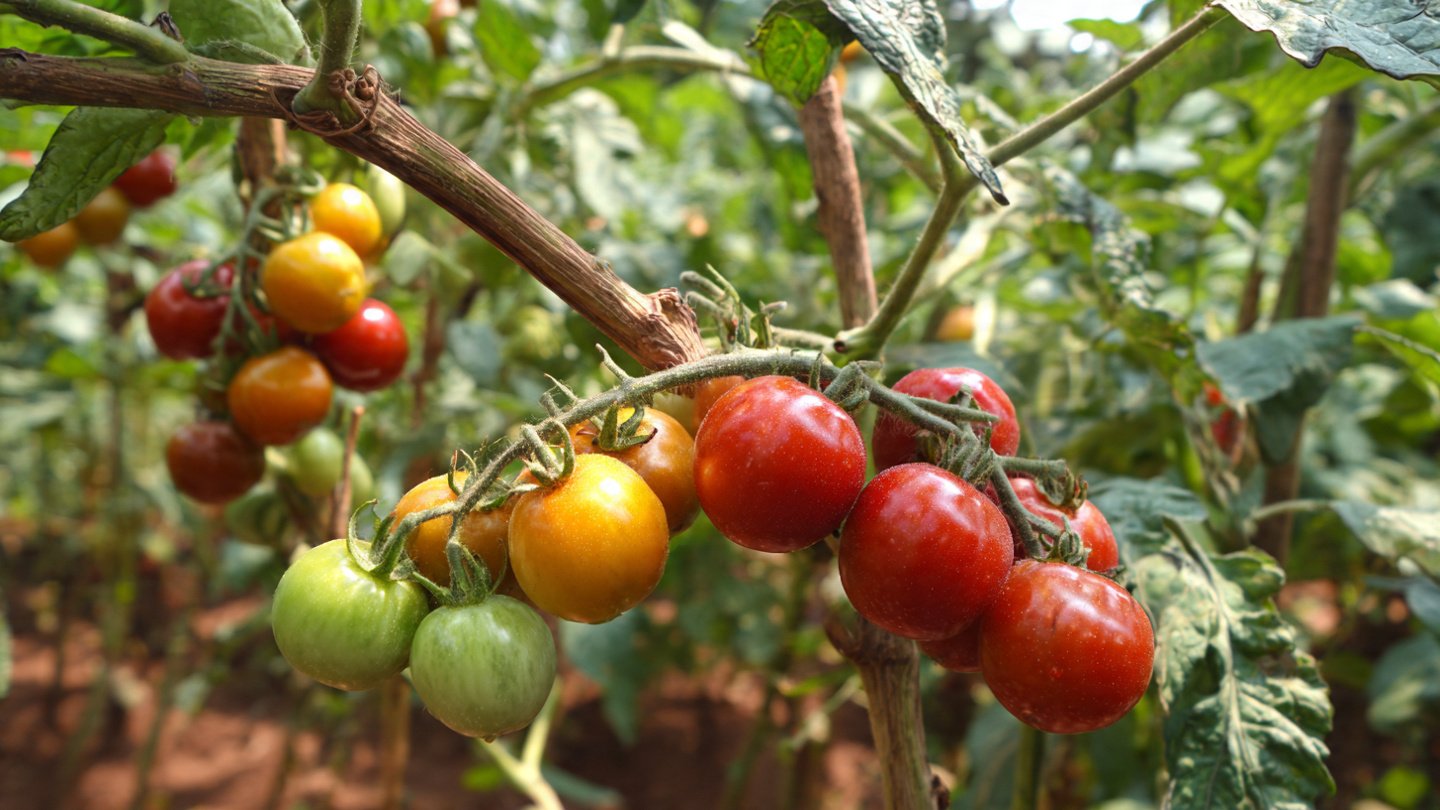
Pruning might seem like a gardener’s routine chore, or even an unnecessary task, but for vegetable growers, its role is profound. Ignoring proper pruning techniques can have a hidden and often underestimated impact on the growth, health, and productivity of your vegetable plants. While many gardeners focus on watering, fertilizing, and pest control, pruning often falls by the wayside—yet it can be a determining factor in the success of a harvest.
In this article, we’ll explore the importance of pruning, the consequences of neglecting it, and how mastering pruning techniques can unlock the full potential of your vegetable garden.
Understanding Pruning in Vegetable Gardening
Pruning involves the selective removal of certain parts of a plant—such as leaves, branches, or stems—to improve its overall growth and productivity. While pruning is commonly associated with fruit trees and ornamental plants, vegetable plants also benefit significantly from this practice.
The primary goals of pruning vegetables include:
- Enhancing Air Circulation – Dense foliage can trap humidity, creating an ideal environment for fungal diseases and pests. Proper pruning allows air to flow freely through the plant canopy.
- Optimizing Sunlight Exposure – Sunlight is essential for photosynthesis. Overcrowded leaves or branches can shade vital parts of the plant, reducing energy production and fruit development.
- Redirecting Energy – Plants have limited energy reserves. Pruning helps redirect this energy from unproductive or unnecessary growth toward the parts of the plant that will yield vegetables.
- Controlling Plant Shape and Size – Many vegetable plants, such as tomatoes, cucumbers, and peppers, can grow sprawling vines. Pruning helps maintain manageable shapes, making harvesting easier and reducing competition for nutrients.
The Hidden Consequences of Ignoring Pruning
When gardeners skip pruning, they often focus only on visible health issues like yellowing leaves or stunted growth. However, the hidden consequences can be much more detrimental.
1. Reduced Yield and Smaller Produce
Without pruning, plants may devote energy to excessive leaf or branch growth instead of producing fruit or vegetables. For example, unpruned tomato plants often develop thick foliage that overshadows fruit clusters, resulting in fewer and smaller tomatoes. Similarly, cucumber and zucchini vines that aren’t trimmed can produce abundant leaves at the expense of flowers and fruits.
Overcrowded plants also struggle to transport nutrients efficiently. Nutrient competition between stems, leaves, and fruits can lead to lower yields and unevenly sized vegetables, making your harvest less abundant and less uniform.
2. Increased Susceptibility to Diseases
Dense, unpruned foliage traps moisture, creating an environment where fungal infections such as powdery mildew or blight can thrive. Vegetables like tomatoes, peppers, and beans are especially vulnerable. Ignoring pruning makes it difficult to spot early signs of disease, allowing infections to spread rapidly.
Moreover, tangled stems can create microclimates where pests like aphids, whiteflies, and spider mites can hide, multiply, and cause damage unnoticed. Proper pruning reduces these risk zones by improving airflow and light penetration.
3. Stunted Growth and Weak Structures
Overgrown plants often develop weak, leggy stems that are prone to breaking under the weight of fruits or due to wind. For vining vegetables like squash, tomatoes, or cucumbers, neglecting pruning can result in sprawling vines that are difficult to support and harvest.
Weak stems also reduce the plant’s ability to transport water and nutrients efficiently, leading to stunted growth and underdeveloped produce. This is especially problematic for heavy-bearing vegetables like pumpkins or eggplants.
4. Poor Fruit Quality
Ignoring pruning can also affect the quality of vegetables. Fruits may ripen unevenly due to lack of sunlight, and flavor can be compromised. For instance, unpruned tomato plants often produce fruits that are less sweet, while overgrown pepper plants may yield peppers with tough skin and lower nutrient content.
Pruning encourages the development of high-quality fruits by ensuring that each fruit has sufficient exposure to light, nutrients, and airflow.
Common Mistakes in Vegetable Pruning
Even experienced gardeners sometimes make pruning mistakes that counteract the benefits. Some of the most common errors include:
- Over-Pruning: Removing too many leaves can stress the plant and reduce its ability to photosynthesize.
- Pruning at the Wrong Time: Pruning during flowering or fruiting stages can harm production. Timing is crucial for different vegetables.
- Ignoring Plant-Specific Needs: Not all vegetables benefit from the same pruning approach. For example, indeterminate tomatoes require different pruning techniques compared to bush-type tomatoes.
- Using Unclean Tools: Pruning with dirty tools can introduce pathogens, spreading disease instead of preventing it.
Understanding the right balance and timing is key to effective pruning.
Essential Pruning Techniques for Common Vegetables
Tomatoes
Tomatoes benefit from removing suckers—small shoots that grow between the main stem and branches. This helps focus energy on fruit production and prevents overcrowding. Indeterminate varieties especially require regular pruning to maintain airflow and sunlight exposure.
Peppers
Peppers should be pruned to remove weak or damaged branches, encouraging stronger stems and better fruit set. Overcrowding can reduce flowering and fruiting, so selective leaf removal may be necessary for optimal sunlight exposure.
Cucumbers and Squash
These vining vegetables can quickly take over garden space. Prune lateral shoots to prevent uncontrolled spreading and remove yellowing or damaged leaves to reduce disease risk. Proper trellising combined with pruning ensures healthier growth.
Beans and Peas
Although these plants are less pruned traditionally, removing diseased or overcrowded stems can improve airflow and reduce fungal infections. Pinching the tips can also encourage bushier growth.
Best Practices for Pruning Vegetables
- Use Clean, Sharp Tools: Always sterilize pruning shears to prevent the spread of disease.
- Prune Regularly: Inspect plants weekly and remove excess growth, damaged leaves, or diseased stems.
- Focus on Airflow and Sunlight: Prioritize removing branches that block light or trap moisture.
- Know Your Plant: Research specific pruning requirements for each vegetable type. Not all vegetables benefit equally from pruning.
- Avoid Stressing Plants: Never remove more than 25–30% of foliage at one time, especially during hot or dry periods.
Signs That Your Vegetables Need Pruning
Knowing when to prune is as important as knowing how. Key signs include:
- Dense or tangled growth that blocks sunlight
- Yellowing or damaged leaves
- Weak or leggy stems
- Signs of disease or pest infestation
- Reduced flowering or fruiting
By observing your plants closely, you can intervene before these issues affect overall yield.
Conclusion
Pruning is not just an aesthetic choice or a garden chore—it is a vital practice that directly influences the growth, health, and productivity of vegetable plants. Ignoring pruning techniques can lead to hidden consequences, including reduced yields, poor fruit quality, increased disease susceptibility, and weaker plant structures.
By understanding the benefits of pruning, avoiding common mistakes, and applying vegetable-specific techniques, gardeners can unlock the full potential of their plants. Whether you grow tomatoes, peppers, cucumbers, or squash, consistent and informed pruning ensures healthier plants, higher-quality produce, and a more abundant harvest.
For any gardener seeking a flourishing vegetable garden, pruning is the invisible backbone of success. Ignoring it may seem convenient, but the hidden impacts on your vegetables can be significant—and sometimes irreversible. Make pruning a priority, and your garden will reward you with healthier, more productive plants season after season.