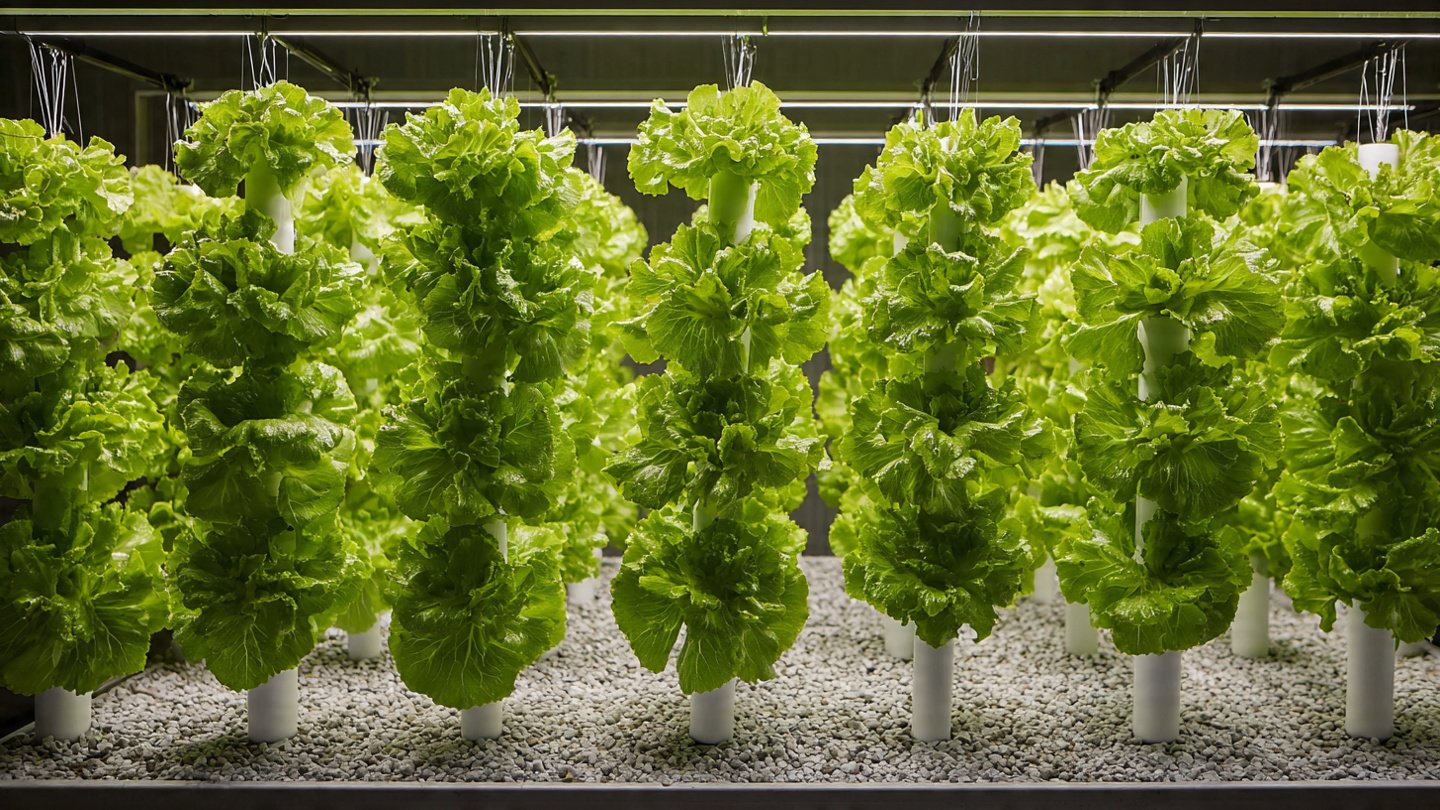
If you’ve ever dreamed of enjoying fresh, crisp lettuce straight from your garden without constantly worrying about watering or space, you’ll love the concept of a hanging self-watering lettuce garden. This innovative gardening method allows you to grow abundant greens with minimal effort, perfect for balconies, patios, or even small indoor spaces. In this article, I’ll guide you step by step on how to create a hanging lettuce garden that practically waters itself and produces lush, green leaves all season long.
Why a Hanging, Self-Watering Garden Works
Hanging gardens are ideal for small spaces, while self-watering systems solve one of the biggest challenges in gardening: maintaining consistent moisture. Lettuce, in particular, thrives when the soil is evenly moist. Too little water and the leaves become bitter; too much and the roots rot. A self-watering setup ensures:
- Consistent hydration: Roots absorb water as needed.
- Less maintenance: No daily watering required.
- Space efficiency: Hang multiple containers vertically.
- Fresher produce: Leaves stay crisp and vibrant without stress.
By combining these principles, you can enjoy lettuce that tastes better than store-bought greens while saving time and effort.
Materials You’ll Need
Creating your hanging, self-watering lettuce garden doesn’t require expensive equipment. Here’s what I used:
- Plastic bottles, jars, or pots (with lids for the self-watering system)
- Cotton or nylon wicks (to draw water from the reservoir to the soil)
- Potting soil (lightweight and nutrient-rich)
- Compost or organic fertilizer
- Lettuce seeds or seedlings
- Twine or hooks for hanging
- A water reservoir (like a bucket or larger container)
This setup is eco-friendly and cost-effective, as it reuses materials and keeps your garden lightweight and portable.
Choosing the Right Lettuce Varieties
Lettuce comes in many varieties, but some are better suited for hanging, container, or self-watering gardens. I recommend:
- Butterhead lettuce: Soft, tender leaves, compact growth, ideal for vertical setups.
- Romaine lettuce: Crisp and robust, perfect for salads and sandwiches.
- Leaf lettuce: Fast-growing and continuously harvestable.
- Mini or baby lettuce mixes: Great for limited space and quick harvests.
For beginners, leaf lettuce is the easiest because it tolerates partial shade and produces leaves rapidly, giving you a continuous harvest.
Preparing the Hanging Containers
Creating the container is crucial for a self-watering system. Here’s how I prepared mine:
- Cut the container: If using a plastic bottle, cut it horizontally about one-third from the bottom. The top part holds the soil and plant; the bottom becomes the water reservoir.
- Create drainage holes: Poke small holes in the bottom of the soil container to allow the wick to draw water.
- Insert the wick: Thread a cotton or nylon wick through the holes so one end sits in the water reservoir and the other in the soil. This wick acts as a water pipeline for the plant.
- Fill with soil: Use a mix of potting soil and compost for nutrient-rich, lightweight soil.
- Plant the lettuce: Sow seeds lightly or transplant seedlings, spacing them adequately for leaf growth.
When done correctly, this system ensures that water moves up gradually as the soil dries, keeping your lettuce consistently hydrated.
Hanging Your Garden
Space-saving is a huge advantage of this system. Here’s how to hang it effectively:
- Choose a sunny spot: Lettuce requires 4–6 hours of sunlight daily. Hang near a balcony railing, window, or patio.
- Use strong hooks or brackets: Ensure your containers are secure, especially when they fill with soil and water.
- Space containers: Leave a few inches between each so air circulates, preventing fungal issues.
Vertical hanging allows you to grow multiple layers of lettuce, maximizing productivity in minimal space.
Watering and Maintenance
The beauty of a self-watering system is minimal maintenance, but there are a few key steps to ensure healthy growth:
- Check the water reservoir: Keep it filled; lettuce roots will absorb water as needed.
- Monitor the wick: Ensure it stays in contact with both water and soil. Replace if it dries out or rots.
- Fertilize lightly: Every 2–3 weeks, add liquid organic fertilizer to the water reservoir to feed the plants.
- Harvest regularly: Picking leaves stimulates new growth, keeping the lettuce fresh and productive.
This method reduces daily watering stress and gives you vibrant, crisp leaves consistently.
Benefits of a Hanging Self-Watering Lettuce Garden
Growing lettuce this way offers several unique advantages:
- Time-saving: No more daily watering or monitoring soil moisture constantly.
- Space-efficient: Perfect for apartments or homes with limited garden space.
- Eco-friendly: Uses recycled materials and reduces water wastage.
- Continuous harvest: Leaf lettuce and mini varieties allow you to pick fresh leaves throughout the season.
- Less disease and pests: Hanging containers keep plants off the ground, reducing slug and snail infestations.
Even if you’re a busy professional or beginner gardener, this system allows you to enjoy fresh, organic lettuce without the typical gardening hassles.
Tips for Maximizing Growth and Yield
To get the best results, follow these practical tips:
- Use high-quality seeds or seedlings: Healthy starts produce stronger plants.
- Keep consistent light: Rotate containers if sunlight is uneven.
- Thin seedlings: Ensure proper spacing for airflow and leaf development.
- Mulch lightly: A small layer of shredded leaves or straw on top prevents soil drying out.
- Prune older leaves: Focus the plant’s energy on new growth for maximum yield.
- Monitor temperature: Lettuce prefers cooler temperatures; partial shade during hot afternoons prevents leaf burn.
By following these simple adjustments, your hanging lettuce garden can yield crisp, tender leaves throughout the season.
Harvesting Your Lettuce
The best part of home gardening is harvesting fresh produce. Here’s how to do it effectively:
- Pick outer leaves first, leaving the inner leaves to continue growing.
- For baby leaf varieties, you can harvest small leaves continuously every 2–3 weeks.
- Harvest in the morning for maximum crispness and flavor.
- Regular harvesting encourages faster regrowth and higher yields.
With this method, one hanging container can provide enough lettuce for your daily salads, sandwiches, and garnishes.
My Experience With Hanging Lettuce
When I first tried this system, I was amazed at how low-maintenance yet productive it was. Using just a few recycled bottles, cotton wicks, and a sunny balcony, I grew multiple layers of lush green lettuce. The leaves stayed crisp, flavorful, and chemical-free. I saved hours of watering and reduced my grocery bills significantly.
The visual appeal of the hanging garden is another bonus—green leaves cascading down add beauty to any balcony or kitchen garden. It’s both functional and decorative, proving that small spaces don’t mean small results.
Conclusion
A hanging self-watering lettuce garden is the perfect solution for anyone looking to grow fresh, crisp greens without the constant effort of traditional gardening. By combining vertical space-saving techniques, self-watering systems, and nutrient-rich soil, you can enjoy lush, high-yield lettuce all season long.
This system works well for beginners, apartment dwellers, and busy gardeners alike. It minimizes daily maintenance, reduces water waste, and ensures your lettuce thrives with zero stress and maximum flavor.
Key takeaways for success:
- Choose the right lettuce varieties like leaf, butterhead, or mini mixes.
- Use recycled containers with wicks for a self-watering setup.
- Place in a sunny, secure location with good airflow.
- Keep the water reservoir filled and feed plants lightly with organic fertilizer.
- Harvest regularly to stimulate continuous growth.
With these simple steps, anyone can turn a balcony, patio, or small indoor space into a thriving vertical lettuce garden. Imagine picking fresh, green leaves for your salads every morning with almost no effort—that’s the beauty of a hanging self-watering lettuce garden!
Start small, experiment with layers and varieties, and soon you’ll have a bountiful harvest of crisp, flavorful lettuce ready at your fingertips.