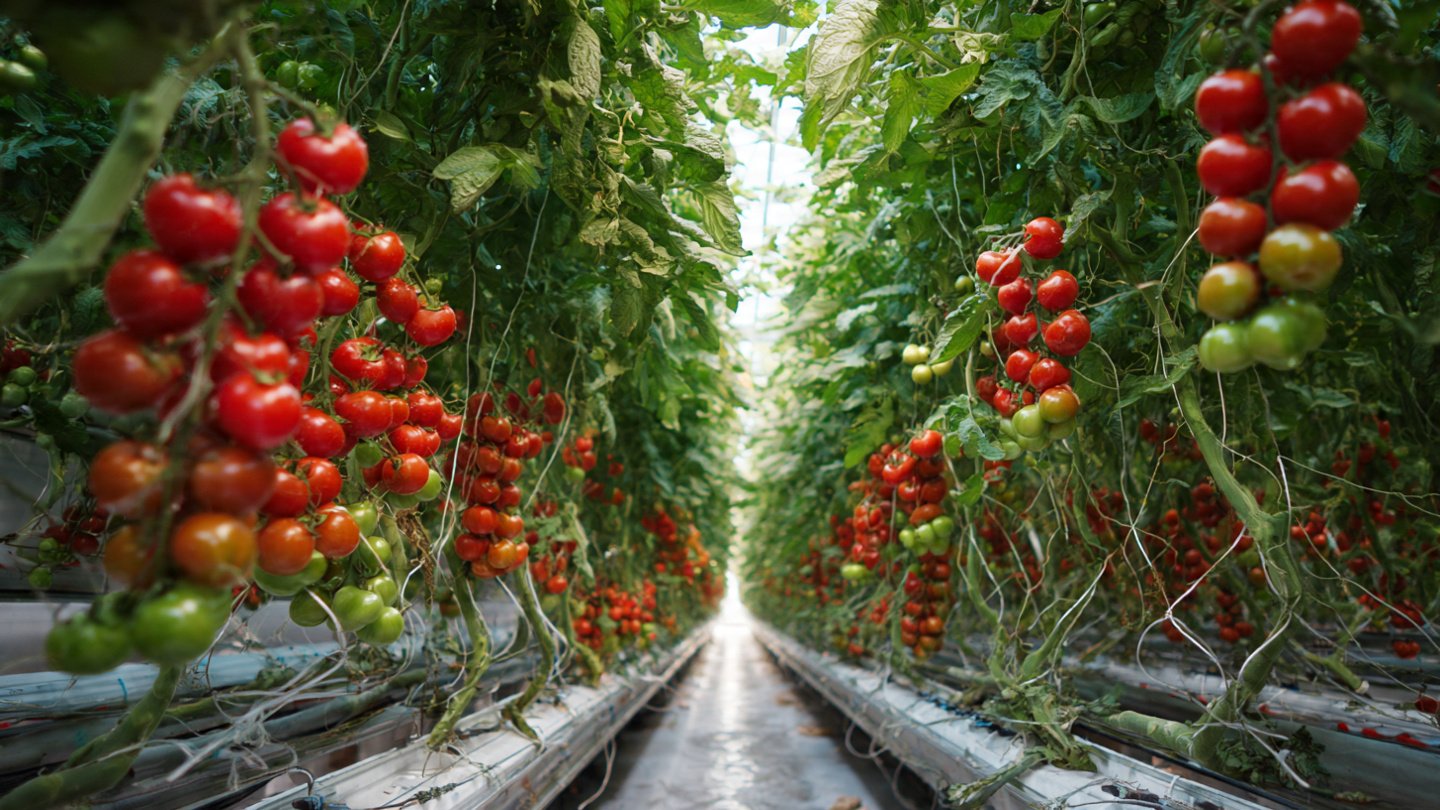
Tomatoes are among the most widely cultivated vegetables in the world. Whether in home gardens or commercial farms, growers are constantly seeking methods to maximize yield, improve fruit quality, and reduce labor and resource costs. Traditional soil-based methods, while effective, often face limitations such as soil-borne diseases, nutrient depletion, and inconsistent yields.
Today, a new era of tomato cultivation is emerging—methods that allow growers to achieve multiple times the yield of traditional planting techniques. These innovations leverage scientific insights, technology, and efficient growing systems to revolutionize how tomatoes are produced. This guide explores the future method of growing tomatoes that maximizes yield while remaining sustainable and accessible.
Why Traditional Methods Fall Short
Conventional soil planting of tomatoes has several drawbacks:
- Soil Nutrient Limitations: Continuous tomato planting can deplete essential nutrients, reducing yield over time.
- Pests and Diseases: Soil-borne pathogens, nematodes, and fungal infections can destroy plants or reduce fruit production.
- Space Constraints: In traditional gardens or farms, space is limited, restricting the number of plants per area.
- Labor Intensive: Soil preparation, watering, weeding, and pest control require significant time and effort.
While careful fertilization and crop rotation can mitigate some issues, innovative methods promise a dramatic increase in yield while overcoming these challenges.
Hydroponics: The Future of Tomato Cultivation
Hydroponics is one of the most revolutionary methods for high-yield tomato production. Hydroponics allows plants to grow in a nutrient-rich water solution instead of soil, delivering nutrients directly to the roots for faster growth and larger yields.
Key Benefits of Hydroponic Tomato Cultivation
- Higher Yield: Hydroponically grown tomatoes can produce 2–3 times more fruit per plant compared to traditional soil cultivation.
- Faster Growth: Nutrient delivery is optimized, leading to shorter growth cycles.
- Less Disease Risk: Without soil, plants are less prone to soil-borne diseases like Fusarium or Verticillium wilt.
- Water Efficiency: Hydroponics uses up to 90% less water than traditional soil gardening, as water is recirculated in the system.
- Space Efficiency: Vertical hydroponic systems can stack plants, maximizing yield per square foot.
Hydroponic Systems for Tomatoes
There are several hydroponic systems suitable for tomato cultivation:
- Nutrient Film Technique (NFT): Plants are grown in shallow channels with a thin film of nutrient solution flowing continuously across the roots. This allows for constant nutrient absorption and oxygenation.
- Deep Water Culture (DWC): Tomato roots are suspended in oxygenated nutrient-rich water, providing continuous access to nutrients and water.
- Drip Systems: Nutrient solution is dripped directly to the base of each plant, ideal for larger commercial setups.
- Aeroponics: Roots hang in the air and are misted with nutrient solution, allowing maximum oxygenation and rapid growth. Aeroponics is highly space-efficient and capable of producing multiple yields per year.
Vertical Farming: Maximizing Yield per Square Foot
In addition to hydroponics, vertical farming is transforming tomato production. By growing tomatoes in stacked layers or towers, growers can achieve many times the output of traditional horizontal planting.
- Indoor Vertical Farms: Controlled environment agriculture (CEA) allows precise regulation of light, temperature, humidity, and CO₂ levels, optimizing growth.
- LED Grow Lights: Modern LED systems provide the full light spectrum necessary for photosynthesis, accelerating growth and increasing fruit production.
- Year-Round Harvest: Unlike soil-based farming, vertical farms allow continuous tomato production regardless of seasonal changes.
Vertical farming combined with hydroponics is particularly effective, creating high-density tomato farms that are ideal for urban spaces or areas with limited arable land.
Optimizing Tomato Growth for Maximum Yield
Even in advanced systems, optimizing growth factors is essential for producing abundant harvests:
- Nutrient Management: Tomatoes require nitrogen, phosphorus, potassium, calcium, magnesium, and trace elements. Hydroponic solutions are carefully balanced for each growth stage—vegetative, flowering, and fruiting.
- Pruning and Training: Removing lower leaves and suckers directs energy to fruit development, resulting in larger and more numerous tomatoes. Trellising or vertical support ensures proper spacing and airflow.
- Pollination: In controlled environments, hand-pollination or mechanical pollinators ensure better fruit set. Some hydroponic growers use electric brushes or fans to simulate wind and attract pollinators.
- Climate Control: Temperature and humidity directly affect flower and fruit development. Maintaining ideal conditions reduces flower drop and improves fruit quality.
- CO₂ Enrichment: Controlled CO₂ supplementation can significantly increase photosynthesis and yield in indoor tomato farms.
Benefits Beyond Higher Yield
Adopting future methods of tomato cultivation offers multiple advantages beyond simply producing more fruit:
- Sustainable Production: Reduced water use, less chemical fertilizer runoff, and minimized pesticide use make hydroponics and vertical farming environmentally friendly.
- Urban Agriculture: Space-efficient systems allow city dwellers to grow fresh tomatoes locally, reducing transportation costs and carbon footprint.
- Quality Control: Hydroponics allows growers to control nutrients precisely, resulting in consistent fruit size, color, and taste.
- Pest Management: Controlled environments drastically reduce pest infestations, lowering the need for harmful pesticides.
Small-Scale Future Methods at Home
You don’t need a commercial setup to use these future techniques at home:
- DIY Hydroponic Kits: Compact systems are available for windowsills, balconies, or small patios.
- Container Hydroponics: Grow tomatoes in buckets or containers with a simple drip or wick system using a nutrient solution.
- Tower Gardens: Vertical towers or stacked pots allow multiple plants to grow in a small area, perfect for urban spaces.
- Indoor LED Systems: Small-scale indoor farms using grow lights can produce fresh tomatoes year-round, even in limited space.
Even with a small home setup, yields can double or triple compared to traditional soil gardening.
Overcoming Challenges
While future tomato cultivation methods are highly efficient, growers should be aware of potential challenges:
- Initial Setup Cost: Hydroponic and vertical systems require some investment in equipment, lights, and nutrient solutions.
- Monitoring Requirements: Maintaining nutrient balance, pH, and water levels is crucial to prevent deficiencies or plant stress.
- Learning Curve: Understanding plant growth stages, pruning, and pollination techniques is essential for high yields.
However, the long-term benefits—higher yield, better quality, and year-round production—far outweigh these initial challenges.
Success Tips for Maximum Yield
- Start with healthy seedlings or seeds suited for hydroponics.
- Monitor nutrient solutions carefully and adjust based on growth stage.
- Provide adequate light and airflow to reduce fungal risks.
- Prune regularly to focus energy on fruit development.
- Consider companion planting or pollination aids for better fruit set.
- Keep environmental conditions stable—temperature, humidity, and CO₂ all affect yield.
By following these guidelines, even small-scale growers can achieve multiple times the yield of conventional tomato gardens.
The Future is Here
The future of tomato cultivation is no longer a concept—it’s already happening. Commercial hydroponic and vertical farms worldwide are producing record-breaking yields while conserving resources and reducing environmental impact. Home gardeners can adopt simplified versions of these techniques, achieving high-quality tomatoes in limited space.
By combining hydroponics, vertical farming, and modern growth management strategies, tomato production is poised to redefine global food security, urban agriculture, and sustainable farming practices.
Conclusion
Tomatoes are a staple in kitchens and gardens worldwide, and their cultivation is undergoing a revolutionary transformation. Traditional soil-based methods, while still valuable, are limited in yield and efficiency. The future method of growing tomatoes—using hydroponics, vertical farming, and controlled environment techniques—offers the ability to produce many times more fruit per plant, year-round, with less water, fewer pesticides, and more control over quality.
Whether you are a commercial grower aiming for maximum efficiency or a home gardener wanting an abundant harvest, adopting these methods can dramatically increase production. By paying attention to light, nutrients, pruning, pollination, and environmental control, anyone can grow tomatoes that are not only plentiful but also delicious and nutrient-rich.
The future of tomato cultivation is bright, efficient, and highly productive. With the right setup and care, you can be part of this agricultural revolution, transforming your garden or farm into a high-yield tomato powerhouse.