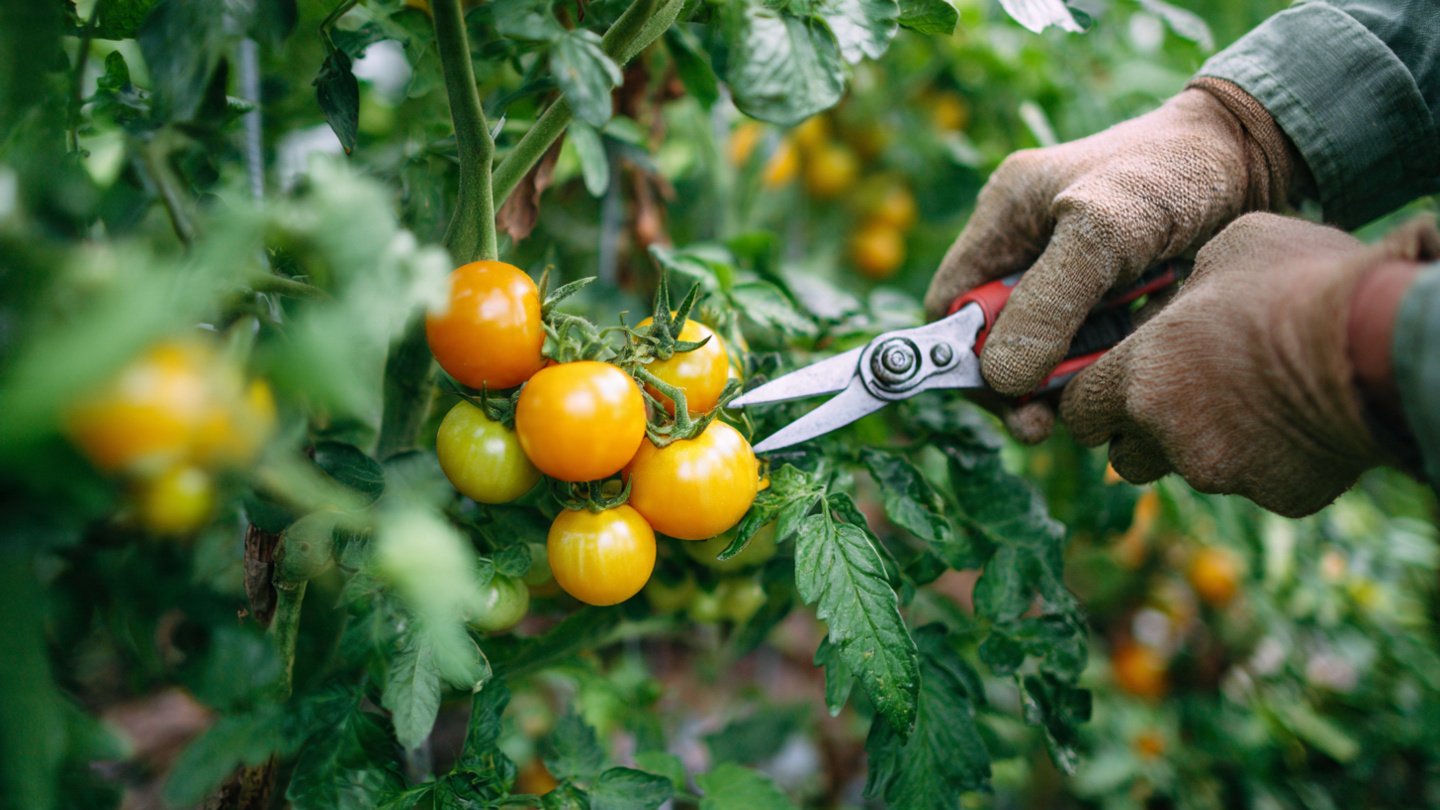
Pruning is one of the most critical practices in vegetable gardening. Done correctly, it improves air circulation, enhances sunlight penetration, and encourages healthy fruit and vegetable production. However, even experienced gardeners sometimes make mistakes that drastically reduce plant growth and yield. Among these, over-pruning or pruning at the wrong time is arguably the most common and harmful error.
Understanding why this happens and how to prune properly can transform your vegetable garden into a thriving, productive oasis. Let’s explore the essential pruning mistake that stunts vegetable growth, why it happens, and how to avoid it.
What Is Pruning in Vegetable Gardening?
Pruning is the deliberate removal of certain parts of a plant—leaves, stems, shoots, or flowers—to improve its overall health, growth, and productivity. Many vegetables, especially indeterminate varieties of tomatoes, cucumbers, and peppers, benefit from selective pruning.
The main purposes of pruning include:
- Improving air circulation to prevent diseases
- Reducing shade for lower leaves and fruits
- Encouraging stronger root and fruit development
- Managing plant size and shape for easier harvesting
While pruning is essential, it must be done carefully. Improper pruning can remove vital plant tissue, reduce photosynthesis, and stunt growth.
The Essential Pruning Mistake: Over-Pruning or Premature Pruning
The single most common mistake gardeners make is over-pruning or pruning too early, particularly on young vegetable plants. This often happens due to well-intentioned advice like “prune for better growth” without understanding timing, plant type, or growth stage.
What Over-Pruning Looks Like
- Cutting too many leaves at once
- Removing all lateral shoots from young plants
- Trimming stems that are essential for photosynthesis
- Removing flower buds before they are ready
While it might seem that pruning will “help” the plant focus energy on stronger stems, doing it excessively can actually drain energy reserves, slow growth, and reduce yields.
Why Over-Pruning Stunts Vegetable Growth
1. Leaves Are Essential for Photosynthesis
Leaves are the plant’s energy factories. They capture sunlight and convert it into energy for growth and fruit production. Removing too many leaves at once leaves the plant with insufficient energy to:
- Produce new stems
- Develop flowers and fruits
- Maintain overall health
A severely pruned plant may struggle to recover, leading to stunted growth or even plant death.
2. Young Plants Are More Vulnerable
New seedlings and young plants are particularly susceptible to pruning stress. At this stage, they are still developing root systems and building energy reserves. Over-pruning during this period can:
- Reduce root growth
- Delay establishment in soil
- Make plants more prone to diseases and pests
For instance, cutting too many shoots from a young tomato plant can prevent it from reaching its full height and fruiting potential.
3. Premature Pruning Reduces Fruit Production
Some gardeners remove flowers or buds too early, thinking it will encourage stronger growth. While some plants benefit from early flower removal, overdoing it can backfire. Premature pruning:
- Delays fruiting
- Reduces the total number of fruits
- Weakens the plant because energy is wasted on wound healing
Timing is critical—removing the wrong part at the wrong time can stunt growth for the entire season.
4. Excessive Pruning Increases Stress and Disease Risk
Each cut creates an open wound, which plants must heal. Excessive pruning can overwhelm the plant’s natural defenses. The consequences include:
- Stress that slows growth
- Increased vulnerability to fungal and bacterial infections
- Slower recovery from environmental stressors like heat or drought
In effect, over-pruning does the opposite of what it’s intended to do—it hinders growth and reduces yield.
Vegetables Most Affected by Over-Pruning
While almost any vegetable can suffer from improper pruning, some are more sensitive:
- Tomatoes (especially indeterminate varieties)
- Removing too many suckers or leaves can drastically reduce photosynthesis and fruit set.
- Peppers
- Over-pruning young plants can slow flowering and fruiting.
- Cucumbers and Melons
- Excessive leaf removal can expose fruits to sunburn and stunt vine growth.
- Eggplants
- Early pruning can reduce energy available for flowering and fruiting.
- Leafy greens (like kale or lettuce)
- Cutting too much foliage can reduce regrowth and slow overall harvest cycles.
How to Avoid the Pruning Mistake
Proper pruning is about strategy, timing, and moderation. Here’s how to do it right:
1. Know Your Plant Type
Different vegetables respond differently to pruning:
- Indeterminate tomatoes: Benefit from selective sucker removal
- Determinate tomatoes: Usually require little pruning
- Peppers and eggplants: Only remove damaged or overcrowded branches
- Cucumbers and melons: Prune lightly to manage space, not to remove too much foliage
Understanding plant-specific needs is the first step to successful pruning.
2. Wait Until the Plant Is Established
Avoid heavy pruning on seedlings or young transplants. Allow plants to:
- Develop strong root systems
- Grow several sets of true leaves
- Build energy reserves
Once established, pruning can be more selective and safe.
3. Use Clean, Sharp Tools
Pruning cuts should be clean to reduce stress and infection risk. Use sterilized scissors or pruners to prevent introducing pathogens into the plant.
4. Remove Only What’s Necessary
- Focus on removing damaged, diseased, or overcrowded branches
- Avoid removing too many leaves at once
- Keep enough foliage to maintain photosynthesis and energy production
A good rule of thumb: never remove more than 20–30% of the plant at once.
5. Prune in the Morning
Pruning early in the day gives plants time to recover before nightfall. It reduces the risk of moisture-related fungal infections forming in open cuts.
6. Observe and Adjust
Every plant and growing season is different. Watch how your plants respond to pruning. If growth slows or leaves yellow, you may have pruned too aggressively.
Signs You’ve Over-Pruned
- Leaves yellowing or wilting
- Slow growth or stunted height
- Reduced flower and fruit formation
- Increased susceptibility to pests and disease
If you notice these signs, adjust pruning techniques in the future and allow plants to recover.
The Benefits of Proper Pruning
When done correctly, pruning can boost vegetable growth and productivity:
- Increased sunlight penetration and airflow
- Reduced disease and pest pressure
- Better fruit quality and size
- Easier harvesting and maintenance
By avoiding over-pruning, gardeners give their vegetables the best chance to thrive.
Final Thoughts
Pruning is a valuable tool in vegetable gardening, but like any tool, it must be used wisely. The essential mistake that stunts vegetable growth—over-pruning or pruning at the wrong time—can drastically reduce yields and harm plant health.
By understanding the growth patterns of your vegetables, waiting until plants are established, pruning selectively, and avoiding excessive leaf removal, you can maximize both growth and harvest. Remember, pruning is not about cutting as much as possible—it’s about strategic, thoughtful trimming that supports the plant’s natural development.
In gardening, patience and moderation often yield the best results. Master the art of proper pruning, and your vegetable garden will reward you with healthy, abundant crops season after season.