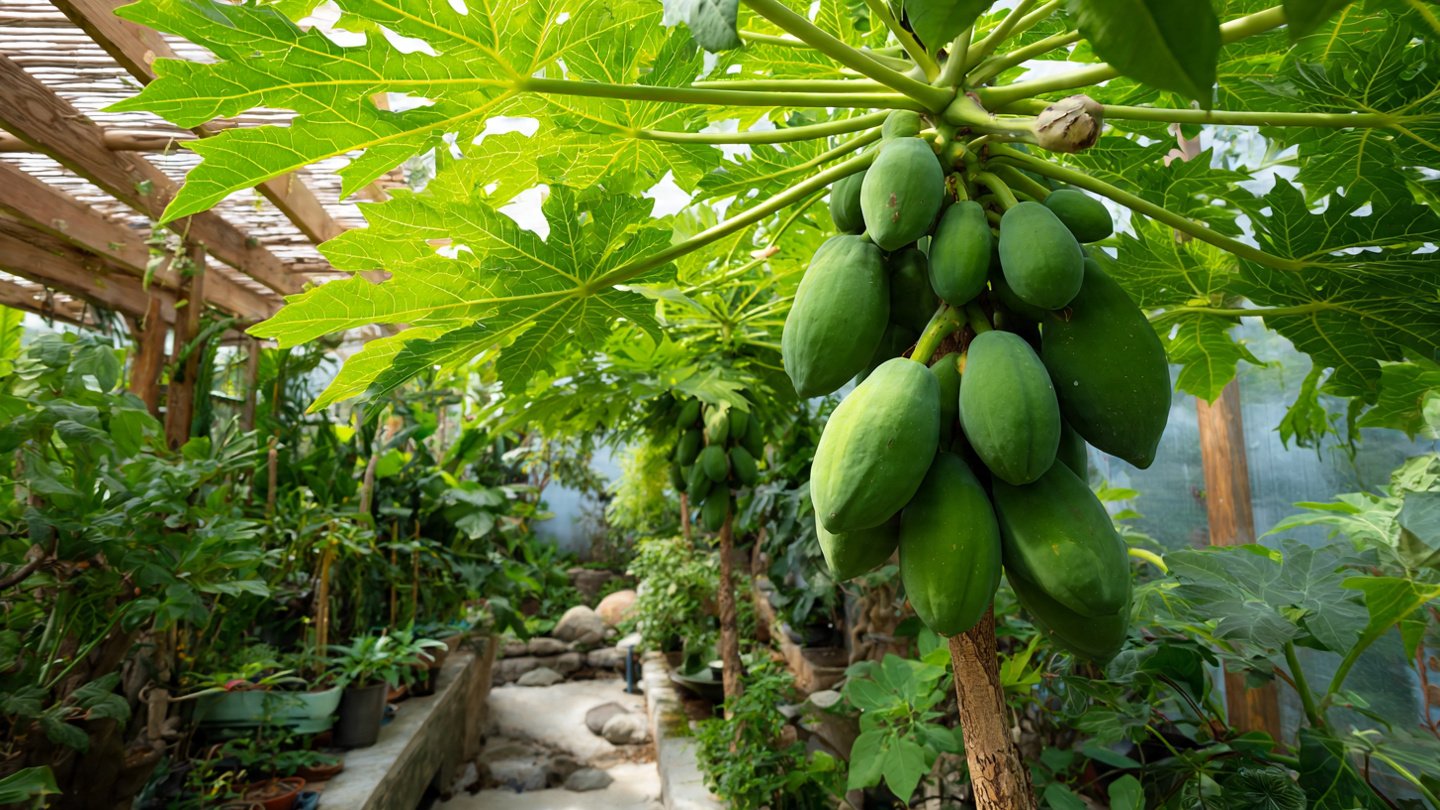
Papaya is one of the most popular tropical fruits, cherished for its sweet, nutrient-rich flesh, digestive benefits, and culinary versatility. Traditionally, papaya trees grow tall, reaching heights of 10–15 feet or more, which makes them difficult to manage in small home gardens, balconies, or urban spaces. However, with modern horticultural techniques, it is now possible to dwarf papaya plants, making them more compact while maintaining high fruit yield.
This innovative approach allows gardeners to maximize production in limited space, maintain easy access for harvesting, and simplify care and maintenance. In this article, we explore the techniques for dwarfing papaya plants, essential care practices, and strategies for achieving maximum yield in small areas.
Understanding Papaya Growth
Papaya (Carica papaya) is a fast-growing, tropical perennial plant. Understanding its natural growth pattern is critical for dwarfing techniques.
- Height: Traditional papaya trees can reach 10–15 feet, with some varieties growing even taller.
- Stem: Papaya has a single main trunk with large leaves emerging from the top.
- Fruiting: Papayas start producing fruits within 6–12 months, depending on the variety and growing conditions.
- Lifespan: Papaya trees are short-lived perennials, typically productive for 2–3 years.
The tall growth habit of conventional papaya plants often limits cultivation in urban gardens or smaller spaces. Dwarfing techniques address this issue while preserving fruit quality and yield.
The Science of Dwarfing Papaya Plants
Dwarfing involves controlling the growth of the papaya tree so that it remains compact without compromising fruiting potential. Several methods can achieve dwarfing, including:
- Selecting Dwarf Varieties – Certain papaya cultivars are naturally compact. Examples include ‘Red Lady,’ ‘CO-1,’ and ‘Tainung’ dwarf types. These varieties typically grow 3–5 feet tall and are ideal for small-space gardening.
- Pruning Techniques – Regular pruning helps control vertical growth and encourages lateral branching, which supports more fruit clusters on a smaller canopy.
- Growth Regulators – In some commercial practices, plant growth regulators are used to limit height, though this method requires careful handling and is less common for home gardeners.
By combining genetic selection and careful pruning, gardeners can achieve dwarf papaya plants that remain manageable, productive, and space-efficient.
Step-by-Step Technique for Dwarfing Papaya
Here’s a practical guide to dwarfing papaya plants in small gardens:
Step 1: Choose the Right Variety
Start with a naturally dwarf papaya cultivar if possible. Dwarf varieties are easier to maintain and adapt well to container planting or confined garden beds. Some recommended varieties include:
- Red Lady: Compact, disease-resistant, high-yielding.
- CO-1 Dwarf: Produces medium-sized fruits with early maturity.
- Tainung Dwarf: Excellent for container gardening, produces sweet fruits.
Selecting the right variety ensures that your dwarfing efforts are more effective.
Step 2: Use Containers or Raised Beds
Planting papaya in large containers or raised beds allows better control over root growth, which naturally limits plant height.
- Use containers at least 15–20 gallons in size.
- Ensure well-draining soil mixed with compost or organic matter.
- Raised beds should be at least 1–2 feet deep for optimal root development.
Container planting also makes it easier to monitor nutrient and water management, critical for maintaining a compact, healthy plant.
Step 3: Pruning and Pinching
Pruning is the most effective method for controlling papaya height and encouraging lateral branching. Key pruning steps include:
- Tip Pruning: Pinch the growing tip of the plant when it reaches your desired height (3–4 feet for small spaces). This stops vertical growth and encourages side shoots.
- Side Branch Management: Allow 2–4 lateral branches to grow while removing weaker shoots. Strong branches support more fruit clusters.
- Leaf Pruning: Remove old, yellowing, or damaged leaves to improve airflow and sunlight penetration, promoting healthy fruit development.
Pruning should be done carefully to avoid stress. Sterilize cutting tools to prevent infections.
Step 4: Nutrient Management
Dwarf papaya plants require a balanced nutrient supply for compact growth and high yield:
- Nitrogen: Supports leaf growth but should be applied moderately to avoid excessive height.
- Phosphorus: Encourages root development and flowering.
- Potassium: Critical for fruit size, sweetness, and overall plant health.
- Micronutrients: Include magnesium, zinc, and boron to ensure robust growth and high fruit quality.
Fertilize every 4–6 weeks with organic compost or a balanced NPK fertilizer. Container plants may require more frequent feeding due to limited soil volume.
Step 5: Watering and Mulching
- Papaya requires consistent moisture but cannot tolerate waterlogged soil.
- Use drip irrigation or carefully monitored watering to maintain even moisture.
- Mulch around the plant with organic material to conserve water, regulate soil temperature, and suppress weeds.
Proper water management supports healthy growth, fruiting, and maintains the dwarf habit.
Step 6: Disease and Pest Management
Dwarf papayas, like regular papaya plants, are susceptible to:
- Papaya ringspot virus (PRSV): Select resistant varieties when possible.
- Powdery mildew and anthracnose: Maintain airflow by pruning and avoid overhead watering.
- Aphids, mites, and fruit flies: Regular inspection and organic pest control measures help maintain plant health.
Preventive care is easier with dwarf plants, as their compact size allows for thorough monitoring.
Benefits of Dwarf Papaya Plants
Growing dwarf papaya offers numerous advantages, particularly in urban or limited-space gardens:
- Space Efficiency: Dwarf plants fit in small gardens, patios, balconies, or container setups.
- Higher Yield in Small Areas: Controlled growth directs energy toward fruiting rather than excessive vegetative growth.
- Ease of Maintenance: Compact size makes pruning, harvesting, and pest control easier.
- Early Harvest: Dwarf varieties often bear fruit earlier than taller plants.
- Improved Fruit Quality: Focused energy and proper management produce sweeter, healthier fruits.
Maximizing Yield in Small Spaces
Even with dwarf plants, proper techniques ensure you get maximum yield:
- Spacing: Plant dwarf papayas 4–5 feet apart in raised beds or containers to allow sufficient airflow and sunlight exposure.
- Lateral Branch Training: Encourage 2–4 strong branches per plant, each capable of bearing multiple fruits.
- Regular Pruning: Maintain plant shape and remove unproductive shoots.
- Pollination Support: Encourage bees or manually pollinate flowers if natural pollination is limited.
- Sequential Harvesting: Pick fruits at the right stage of ripeness to ensure continuous production.
By combining dwarfing techniques with careful management, small gardens can produce a surprisingly high quantity of high-quality papaya fruits.
Conclusion
Dwarfing papaya plants is a practical and effective strategy for home gardeners, urban growers, and anyone with limited garden space. By selecting the right varieties, employing container planting or raised beds, using tip pruning and lateral branch training, and applying proper water and nutrient management, gardeners can produce compact, manageable plants that yield abundant, sweet fruits.
This approach maximizes space efficiency, simplifies care, and allows even small gardens to enjoy the tropical sweetness of homegrown papayas. Whether you are growing for personal consumption or local sale, dwarf papaya cultivation ensures high productivity, early fruiting, and superior quality—making it a perfect solution for modern, space-conscious gardening.