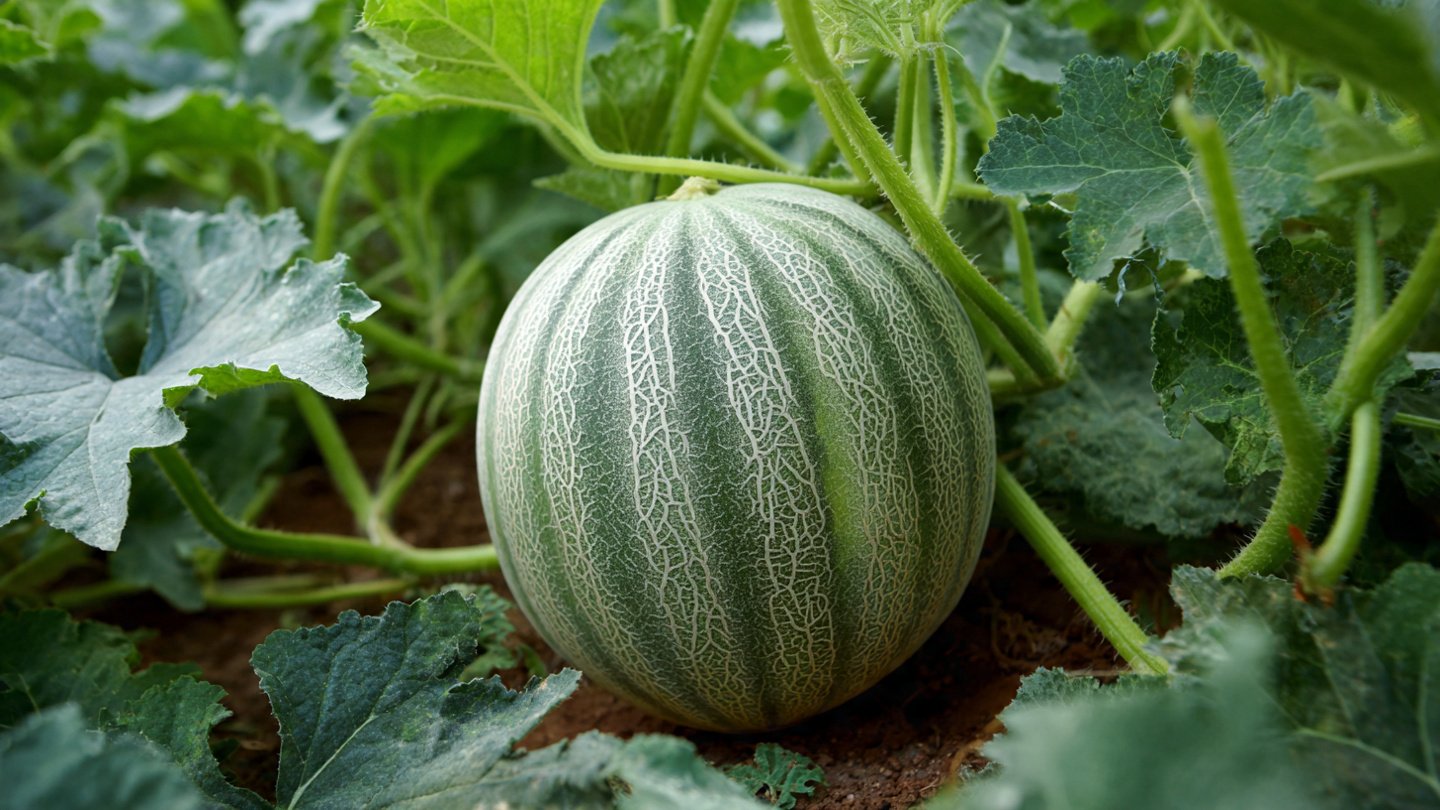
Melons are the ultimate symbol of summer—sweet, juicy, and refreshing. Imagine stepping outside your house and picking ripe melons that you grew yourself. It’s a gardening dream many think requires acres of farmland, but the truth is, melons can be successfully grown right beside your house using simple gardening methods. With minimal tools, a sunny spot, and a little patience, you can enjoy homegrown melons that taste far better than anything from the store.
This guide will show you how to grow melons beside your home, from selecting seeds to harvesting ripe, sweet fruits, using easy-to-follow, beginner-friendly techniques.
Why Grow Melons at Home?
Homegrown melons offer several benefits beyond their delicious flavor:
- Freshness: You pick the fruit at peak ripeness, which ensures maximum sweetness and nutrition.
- Chemical-Free Produce: Growing your own melons eliminates exposure to pesticides and harmful chemicals.
- Cost Savings: Seeds are inexpensive, and even a few plants can produce multiple fruits.
- Sustainable Gardening: Growing beside your home reduces transportation and packaging, promoting eco-friendly habits.
- Therapeutic Activity: Gardening is a calming and rewarding hobby, connecting you with nature daily.
By planting melons in a convenient location near your home, you maximize accessibility and can monitor the plants closely for optimal growth.
Choosing the Right Variety
Melons come in many shapes, sizes, and flavors. Choosing the right variety for your home garden is essential. Some popular options for backyard or small-space gardens include:
- Cantaloupe (Muskmelon): Sweet, fragrant, and compact; ideal for small spaces.
- Honeydew: Smooth-skinned and juicy; requires slightly longer growing periods.
- Watermelon: Large, refreshing fruits; may need more space but can be grown vertically in trellises.
- Mini Melons: Varieties like Sugar Baby are perfect for limited garden space.
Consider your climate and available space when selecting a variety. Fast-maturing types are ideal for beginners, while sprawling varieties may need extra room or support systems.
Selecting the Perfect Spot
Melons are sun-loving plants and require warmth for optimal growth. Choose a location beside your house that gets at least 6–8 hours of direct sunlight daily.
Tips for choosing a spot:
- Ensure good air circulation to prevent fungal diseases.
- Avoid areas with heavy shade from trees or buildings.
- Consider placing plants near a wall or fence to provide wind protection and reflective warmth.
The soil should be well-draining, rich in organic matter, and slightly sandy. Avoid low-lying areas where water can accumulate and cause root rot.
Preparing the Soil
Healthy soil is the foundation for sweet, juicy melons.
Steps to prepare soil:
- Loosen the soil to a depth of at least 12 inches.
- Mix in compost or well-rotted manure to provide nutrients and improve moisture retention.
- Add sand or perlite if the soil is clay-heavy to ensure good drainage.
- Create slightly raised beds if the area tends to be wet.
The goal is to have soil that retains moisture but drains excess water easily, preventing waterlogging that can harm melon roots.
Starting Seeds
Melons can be grown from seeds directly in the soil or started indoors for an earlier harvest.
Direct Sowing:
- Plant seeds 1 inch deep in small mounds or hills spaced 2–3 feet apart for cantaloupes or honeydew, and 4–6 feet for large watermelons.
- Water gently after sowing and keep soil consistently moist.
Indoor Starting:
- Use seed trays or small pots with seed-starting mix.
- Plant seeds 0.5–1 inch deep.
- Maintain a warm environment of 70–85°F (21–29°C).
- Transplant seedlings after 3–4 weeks, when they have 2–3 true leaves and the outdoor soil temperature is above 60°F (16°C).
Starting seeds indoors gives a head start on the growing season, especially in cooler climates.
Supporting Healthy Growth
Melons are vigorous vines that spread across the ground. Proper care ensures healthy foliage, strong roots, and abundant fruits.
Watering:
- Keep soil evenly moist, especially during flowering and fruit development.
- Avoid overhead watering; use drip irrigation or water at the base to prevent fungal diseases.
- Reduce watering slightly as fruits near maturity to concentrate sugars and enhance sweetness.
Fertilization:
- Start with compost-enriched soil.
- Use a balanced fertilizer once or twice during the growing season.
- High-phosphorus fertilizers can promote flowering and fruiting.
Mulching:
- Apply straw, dried grass, or organic mulch around the base.
- Mulch conserves soil moisture, prevents weeds, and keeps fruits clean.
Managing Space
Even beside your house, melons need room to grow. If space is limited, consider:
- Trellising: Vertical growth supports the vines, saving space and improving airflow. Use netting or sturdy lattice for medium-sized melons.
- Bush Varieties: Some melons are bred to be compact and bushy, perfect for small gardens.
- Pruning: Remove excessive vines and leaves to focus energy on fruit development.
Proper space management ensures healthier plants and larger, juicier fruits.
Flowering and Pollination
Melon plants produce separate male and female flowers. Bees and other pollinators are essential for fruit set.
Pollination Tips:
- If pollinators are scarce, hand-pollinate using a small paintbrush.
- Gently transfer pollen from male flowers (long stems) to female flowers (swollen base).
- Pollinate during sunny mornings for best results.
Consistent flowering and successful pollination directly impact fruit quantity and size.
Harvesting Juicy Melons
Knowing when to harvest is critical.
Signs of ripe melons:
- Cantaloupe/Muskmelon: Skin turns golden and develops a sweet aroma.
- Honeydew: Skin becomes creamy yellow or pale green and softens slightly.
- Watermelon: The underside touching the ground turns creamy yellow, and the tendril nearest the fruit dries out.
Use a sharp knife or gently twist to harvest. Avoid leaving overripe fruits on the vine, as they can attract pests.
Pests and Disease Management
Melons can attract pests like aphids, cucumber beetles, and squash bugs.
Natural remedies:
- Use neem oil spray or insecticidal soap.
- Encourage beneficial insects like ladybugs.
- Keep the area clean and remove fallen leaves and debris.
Diseases such as powdery mildew can be managed with proper spacing, airflow, and avoiding overhead watering.
Benefits of Growing Melons Beside Your Home
- Freshness at Your Doorstep: Enjoy fruits straight from the vine.
- Nutritional Value: Homegrown melons are packed with vitamins, minerals, and antioxidants.
- Low-Cost Gardening: Minimal investment for maximum rewards.
- Learning Experience: Growing melons teaches patience, observation, and sustainable practices.
- Aesthetic Appeal: The sprawling vines and large leaves create a lush, tropical look beside your home.
Conclusion: Sweet Rewards with Simple Methods
Growing juicy melons beside your house is not only achievable—it’s incredibly satisfying. With careful selection of seeds, proper soil preparation, regular watering, and attention to flowering and pollination, even beginners can enjoy a bountiful harvest. Container or raised bed techniques make it manageable in small spaces, while trellising and pruning maximize productivity.
Beyond the delicious fruits, melon gardening transforms your home environment, connects you with nature, and adds a sense of accomplishment to daily life. By using these simple gardening methods, anyone can turn a sunny patch beside their house into a source of sweet, refreshing, and homegrown melons—a true reward that nourishes body, mind, and spirit.