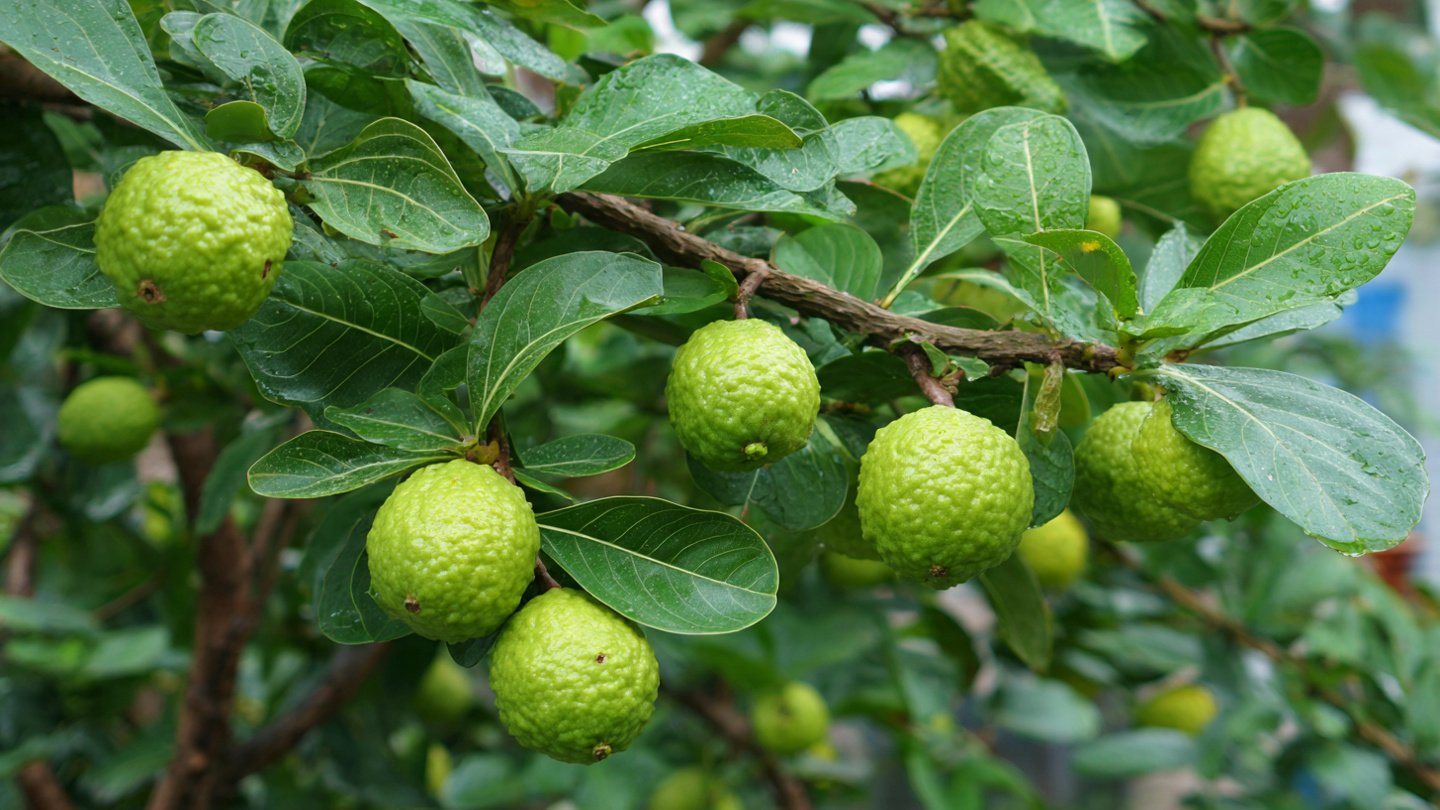
Guava (Psidium guajava) is a tropical fruit known for its sweet flavor, health benefits, and versatility in culinary uses. While guava trees can grow quite large, many gardeners are now turning to dwarf guava trees to save space, manage fruit production, and simplify care. Training a guava plant into a compact dwarf tree allows you to enjoy a high yield of fruits in a small space, making it perfect for home gardens, patios, and even large pots. In this guide, we’ll walk you through everything from choosing the right plant, pruning, and training techniques to maximizing fruit production.
Why Grow a Dwarf Guava Tree?
Dwarf guava trees have several advantages over standard guava trees:
- Space-saving: Perfect for small gardens, terraces, or balconies.
- Easier maintenance: Smaller trees are easier to prune, fertilize, and harvest.
- Faster fruiting: Dwarf varieties often produce fruit earlier than full-sized trees.
- Better control: Compact size allows better management of pests, diseases, and growth.
- Aesthetics: Dwarf guavas can be attractive additions to landscaping or container gardens.
By training a guava into a dwarf tree, you can enjoy fresh, homegrown fruits without needing a large yard or complex care.
Choosing the Right Guava Plant
The first step in creating a dwarf guava tree is selecting a suitable plant:
- Variety selection:
- Opt for dwarf or semi-dwarf guava varieties, such as ‘Barbados’, ‘Thai dwarf’, or ‘Lucknow 49’.
- Regular guava varieties can also be trained, but they require more effort and time.
- Starting material:
- Seedlings: Easily available but may take longer to fruit.
- Grafted plants: More reliable for dwarf characteristics and faster fruiting.
- Plant health:
- Choose a healthy plant with a strong central stem and well-developed root system.
- Avoid plants with yellowing leaves or damaged roots.
Selecting the right variety and healthy starter plant is critical to success when training a guava into a compact tree.
Preparing the Planting Site
Even dwarf guavas need the right conditions to thrive:
- Sunlight: Guava trees require full sun (6–8 hours daily) for optimum growth and fruiting.
- Soil: Well-draining soil is essential. Sandy loam or loamy soil enriched with organic matter works best.
- Potting (if container-grown): Choose a large, deep container (at least 15–20 inches in diameter) with drainage holes.
- Fertilization: Mix compost or well-rotted manure into the soil before planting.
Proper planting conditions ensure a strong foundation for growth and fruit production.
Training a Guava Plant Into a Dwarf Tree
Training a guava involves pruning, shaping, and careful management of growth. Follow these steps to create a compact, productive tree:
Step 1: Establish a Strong Central Stem
- Remove any side shoots or weak branches in the early stages.
- Focus on developing one strong main stem, which will act as the tree’s trunk.
- If the plant is too leggy, cut it back to encourage branching closer to the base.
Step 2: Encourage Branching
- Once the central stem reaches 12–18 inches, pinch or prune the tip to promote lateral branch growth.
- Aim for 3–4 strong primary branches forming a balanced canopy.
- Remove any inward-growing or crossing branches to improve airflow.
Step 3: Maintain Compact Size
- Regularly prune new growth to keep the tree compact.
- Avoid letting the tree grow taller than 6–8 feet (or 4–5 feet for container trees).
- Use pruning to balance foliage and fruit load, ensuring branches don’t become overcrowded.
Step 4: Use Support if Needed
- Young dwarf trees may require stakes or supports to guide upward growth.
- Tie the main stem gently to a stake until it becomes sturdy.
Training a guava tree into a dwarf form is a combination of pruning, pinching, and maintaining proper structure over several months to a year.
Fertilization for Compact Trees
A dwarf guava tree may need slightly more attention to nutrients than a full-sized tree because of restricted root space:
- Balanced fertilizer: Use a NPK (Nitrogen, Phosphorus, Potassium) fertilizer in a 2:1:2 ratio every 2–3 months.
- Organic options: Compost, manure, or seaweed extract boosts growth without chemical stress.
- Micronutrients: Guavas benefit from iron, magnesium, and zinc for healthy leaves and fruit development.
Regular fertilization ensures your dwarf guava tree produces lush foliage and abundant fruits despite its compact size.
Watering Requirements
- Guava trees need consistent moisture but should not sit in waterlogged soil.
- For container-grown trees, water when the top inch of soil feels dry.
- Mulching around the base helps retain moisture, regulate temperature, and reduce weeds.
- Avoid overwatering, as dwarf trees are more prone to root rot in limited soil volumes.
Proper watering is critical to sustaining growth and preventing stress on a compact guava tree.
Pruning for Fruit Production
Pruning is not just for shaping; it also encourages fruiting:
- After planting: Remove weak or vertical shoots to focus energy on strong branches.
- Flowering stage: Pinch new growth after flowers set to promote larger fruits.
- Seasonal pruning: Light pruning during the dormant season removes dead or diseased branches.
- Fruit thinning: If too many fruits develop, thin them out to prevent branch breakage and improve fruit size.
Pruning ensures a compact, healthy tree with high-quality fruits.
Pest and Disease Management
Dwarf guava trees are generally hardy, but vigilance is key:
- Common pests: Aphids, fruit flies, and scale insects.
- Preventive measures: Use neem oil or insecticidal soap; remove dead leaves.
- Fungal issues: Ensure good airflow and avoid waterlogging to prevent diseases like anthracnose.
- Container care: Check roots periodically for root-bound conditions and repot when necessary.
With proper care, your dwarf guava tree can remain healthy and productive for many years.
Harvesting Tips
- Guavas typically mature 4–8 months after flowering depending on variety and climate.
- Harvest when the fruit is slightly soft, aromatic, and yellowish-green.
- Use gentle twisting or cutting to avoid damaging branches.
- Regular harvesting encourages continuous flowering and fruiting.
A well-trained dwarf guava tree can yield abundant fruit repeatedly without taking up much space.
Container vs. Ground Planting
Both options have advantages:
- Container-grown dwarf guavas:
- Ideal for small spaces, patios, or terraces.
- Easier to manage size and movement.
- May need more frequent watering and fertilization.
- Ground-planted dwarf guavas:
- Larger yields due to unrestricted root growth.
- Less frequent watering needed.
- Permanent placement with long-term growth potential.
Your choice depends on space availability, lifestyle, and garden layout.
Benefits of a Compact Dwarf Guava Tree
- Maximized yield in small space: Ideal for home gardens and balconies.
- Ease of care: Pruning, fertilizing, and harvesting are more manageable.
- Early fruiting: Dwarf varieties often fruit sooner than full-sized trees.
- Aesthetic appeal: Adds a green, lush look to patios, terraces, or indoor spaces.
- Health benefits: Homegrown guavas are rich in vitamin C, fiber, and antioxidants.
A dwarf guava tree is both a functional and decorative addition to your garden or home.
Conclusion
Training a guava plant into a compact dwarf tree allows you to enjoy a bountiful harvest even in limited space. By carefully selecting a variety, planting in well-drained soil, and using pruning and training techniques, you can create a manageable, productive, and beautiful tree.
Remember these key steps:
- Choose dwarf or semi-dwarf guava varieties for faster fruiting and manageable size.
- Provide full sun, fertile soil, and proper drainage for optimal growth.
- Train a strong central stem and prune regularly to maintain a compact structure.
- Fertilize and water consistently, adjusting care for container-grown trees.
- Monitor for pests and diseases to protect your yield.
With patience and consistent care, a small guava tree can produce an impressive harvest year after year, providing fresh, delicious fruits right in your backyard or patio. A compact guava tree proves that size doesn’t limit productivity, and with smart training, even a small plant can offer a bounty of sweet, juicy fruits.