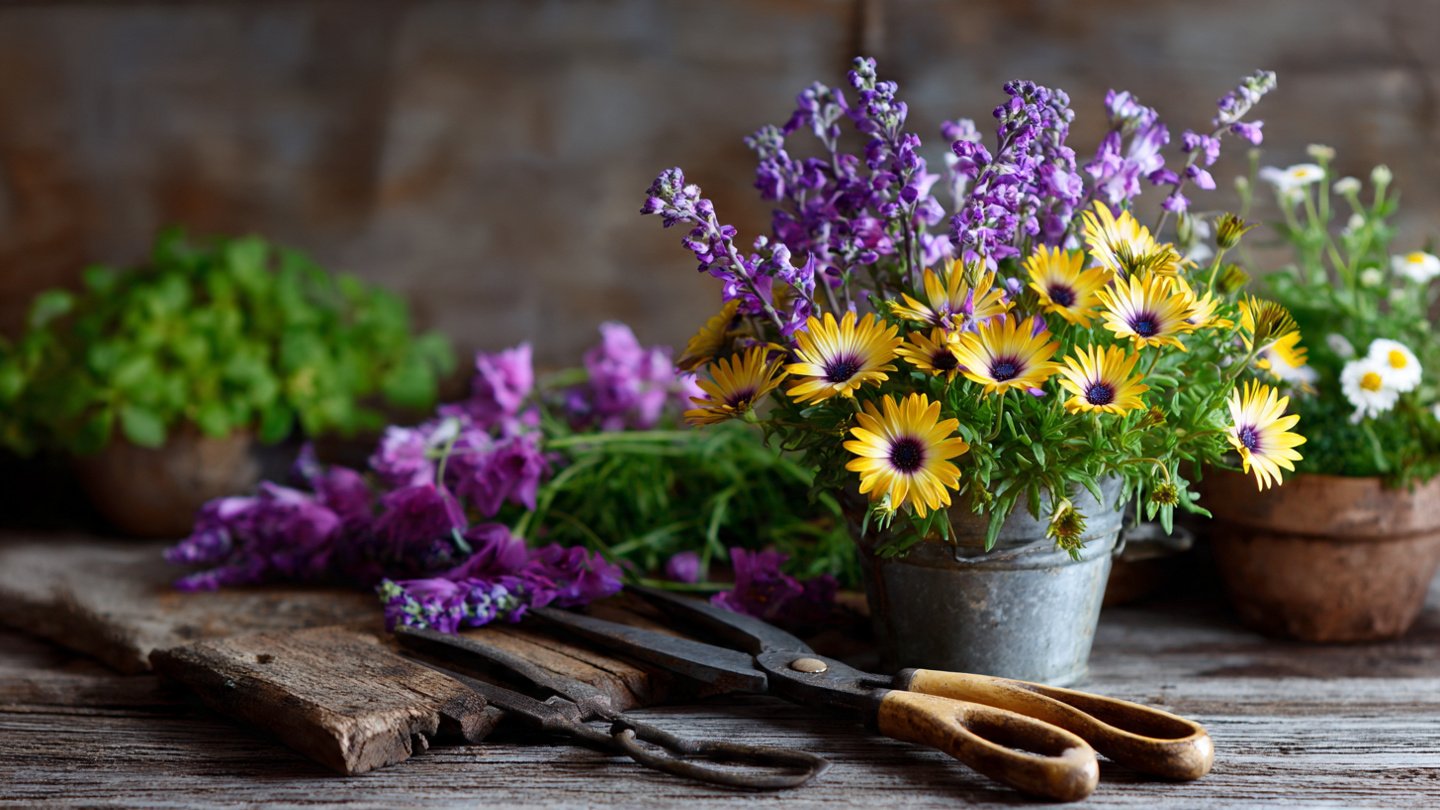
Tagar, also known as Marigold (Tagetes spp.), is one of the most beloved flowering plants in gardens worldwide. Known for its vibrant orange and yellow blooms, resilience, and aromatic foliage, tagar adds a touch of brightness and beauty to any garden space. While large, bushy marigolds are common, small tagar flowers grown from cuttings can create a compact, decorative, and easy-to-manage garden. For gardeners seeking creative ways to cultivate marigolds, cutting propagation offers an excellent method to multiply plants quickly and efficiently. In this guide, we explore small tagar flower cutting ideas and share creative tips to achieve a stunning garden display.
1. Why Choose Tagar for Your Garden?
Tagar flowers are popular for several reasons:
- Vibrant blooms: The bright yellows, oranges, and reds create a cheerful, eye-catching display.
- Ease of growth: Marigolds are hardy, fast-growing, and tolerant of different soil types.
- Pest control: Their aromatic leaves naturally repel pests like nematodes and certain insects.
- Cultural significance: Tagar flowers are widely used in religious and festive decorations, garlands, and bouquets.
For gardeners looking to combine aesthetics with functionality, tagar is an ideal choice.
2. Benefits of Propagating Tagar Through Cuttings
While marigolds are often grown from seeds, cuttings offer distinct advantages:
- Faster establishment: Cuttings root quickly, producing mature plants sooner than seeds.
- Preserve traits: Cuttings maintain the exact characteristics of the parent plant, including flower color and bloom shape.
- Compact growth: Cutting-grown plants often produce smaller, denser foliage ideal for decorative borders and pots.
- Cost-effective: Instead of buying multiple seed packets, a single parent plant can generate multiple new plants.
Using cuttings allows gardeners to create uniform, small tagar flowers for creative garden layouts.
3. Choosing the Right Parent Plant
Successful propagation begins with selecting a healthy parent plant:
- Mature plant: Choose a mature marigold with vibrant blooms and strong stems.
- Pest-free foliage: Avoid plants with yellowing leaves or signs of pests.
- Desired traits: Select a plant that exhibits the flower color, shape, and size you want to replicate.
The parent plant determines the quality and appearance of the cutting-grown tagar flowers.
4. Preparing Tagar Cuttings
Preparing cuttings properly ensures fast rooting and strong growth:
- Select stem tips: Choose healthy, semi-hardwood stems about 4–6 inches long. Semi-hardwood stems are flexible but mature enough to root easily.
- Remove lower leaves: Strip leaves from the bottom half of the cutting to prevent rot and encourage root development.
- Optional rooting hormone: Dip the cut end in rooting hormone powder to stimulate root formation. While not essential, it can increase success rates.
Properly prepared cuttings have a higher chance of establishing quickly and producing small, bushy tagar flowers.
5. Choosing the Right Potting Medium
Tagar cuttings root best in well-draining, light soil:
- Soil mix: Use a mixture of sand, perlite, and garden compost for aeration and moisture retention.
- Containers: Small pots or seed trays work well for cuttings. Ensure drainage holes are present to avoid waterlogging.
- Moisture: Keep the medium slightly moist but not soggy. Excess water can cause stem rot.
The right potting medium provides stability and nutrients for young roots to develop rapidly.
6. Planting Tagar Cuttings
Planting cuttings correctly encourages quick growth:
- Depth: Insert the stripped end 1–2 inches into the soil.
- Spacing: If planting multiple cuttings in a tray, leave enough room to prevent overcrowding and allow airflow.
- Support: Use small stakes or toothpicks to keep cuttings upright if necessary.
- Covering: Lightly cover the cuttings with a plastic dome or plastic wrap to maintain humidity.
These steps create an ideal environment for the cuttings to root and establish quickly.
7. Watering and Humidity
Moisture and humidity are critical during rooting:
- Light watering: Mist the cuttings regularly to maintain moisture without oversaturating the soil.
- Humidity maintenance: Covering cuttings with a plastic dome or transparent bag creates a mini-greenhouse effect, speeding up root formation.
- Avoid direct sun: Keep cuttings in bright, indirect light. Direct sunlight can stress the young stems.
Proper humidity and moisture promote faster rooting and healthier young plants.
8. Rooting Time and Monitoring Growth
Tagar cuttings typically root within 10–21 days, depending on conditions:
- Check progress: Gently tug the cutting to see if resistance indicates root formation.
- Patience: Avoid transplanting before roots are well-established, as this can stress the plant.
- Signs of success: New leaf growth at the tip of the cutting indicates that roots are developing and the plant is ready for more light and nutrients.
Monitoring growth ensures successful propagation and minimizes the risk of losing cuttings.
9. Transplanting to Garden Beds or Pots
Once roots have developed, cuttings can be transplanted:
- Timing: Transplant when roots are well-established and new growth is visible.
- Location: Choose a sunny spot with well-draining soil. Small tagar flowers thrive in raised beds, borders, or pots.
- Spacing: For compact growth, space plants 6–8 inches apart. This encourages bushiness without overcrowding.
- Watering: Water lightly after transplanting to help the plant adjust.
Transplanting at the right time ensures strong, compact growth for decorative garden designs.
10. Creative Garden Ideas Using Small Tagar Flowers
Small tagar flowers offer many creative opportunities for a stunning garden:
- Border plants: Use cutting-grown marigolds along garden edges for a vibrant, compact border.
- Container gardens: Grow in decorative pots to bring color to patios, balconies, or window sills.
- Mixed flower beds: Combine small tagar flowers with other annuals like zinnias, petunias, or cosmos for layered color effects.
- Themed arrangements: Use contrasting orange and yellow blooms in patterns to create artistic garden designs.
- Vertical gardening: Plant in raised beds or tiered containers to add depth and structure to your garden.
These creative ideas maximize the aesthetic potential of small tagar flowers while keeping your garden organized and beautiful.
11. Fertilization for Quick Growth
Young tagar plants benefit from careful fertilization:
- Balanced fertilizer: Use a diluted, water-soluble fertilizer once every 2–3 weeks.
- Avoid excess nitrogen: Too much nitrogen promotes leaf growth but reduces flower production.
- Organic options: Compost tea or fish emulsion provides nutrients while enhancing soil health.
Proper fertilization encourages faster flowering and robust plants, ideal for compact garden designs.
12. Regular Pruning and Deadheading
Maintaining small, dense growth requires consistent care:
- Deadheading: Remove faded flowers to stimulate new blooms and maintain a tidy appearance.
- Light pruning: Trim leggy stems to encourage branching and bushier plants.
- Maintaining shape: Regular pruning ensures your tagar flowers stay compact and visually appealing.
Frequent pruning helps maintain a neat, colorful, and fast-growing garden.
13. Pest and Disease Management
Small tagar flowers are relatively hardy, but care prevents setbacks:
- Common pests: Aphids, spider mites, and caterpillars can occasionally appear. Use neem oil, insecticidal soap, or manual removal.
- Fungal issues: Avoid overwatering and ensure proper spacing to prevent mildew or root rot.
- Monitoring: Check plants regularly for early signs of stress or pests.
Healthy plants grow faster and produce more blooms, ensuring your garden remains vibrant and compact.
14. Seasonal Considerations
Tagar flowers are seasonal, and understanding timing helps maximize growth:
- Warm-weather growth: Marigolds thrive in warm temperatures (65–75°F / 18–24°C).
- Planting schedule: Cuttings can be taken and rooted early in the season to provide blooms throughout summer and early fall.
- Overwintering: In colder climates, small tagar flowers can be grown in containers indoors during winter and replanted outside in spring.
Managing seasonal growth ensures a continuous supply of vibrant, small tagar flowers in your garden.
15. Conclusion
Propagating small tagar flowers from cuttings is an efficient, creative way to enhance your garden with vibrant, compact blooms. By selecting healthy parent plants, preparing cuttings properly, providing the right soil, light, and humidity, and practicing consistent pruning and deadheading, gardeners can enjoy a stunning garden display without relying solely on seeds. Small tagar flowers are perfect for borders, containers, mixed beds, and themed arrangements, making them a versatile addition to any outdoor or indoor garden space.
Following these tips ensures rapid growth, vibrant color, and long-lasting blooms. Whether you’re a beginner or an experienced gardener, creative cutting propagation of tagar allows you to design a visually striking, manageable, and aromatic garden that is both functional and beautiful. With patience, care, and creativity, your small tagar flowers will transform any garden into a captivating, vibrant oasis.