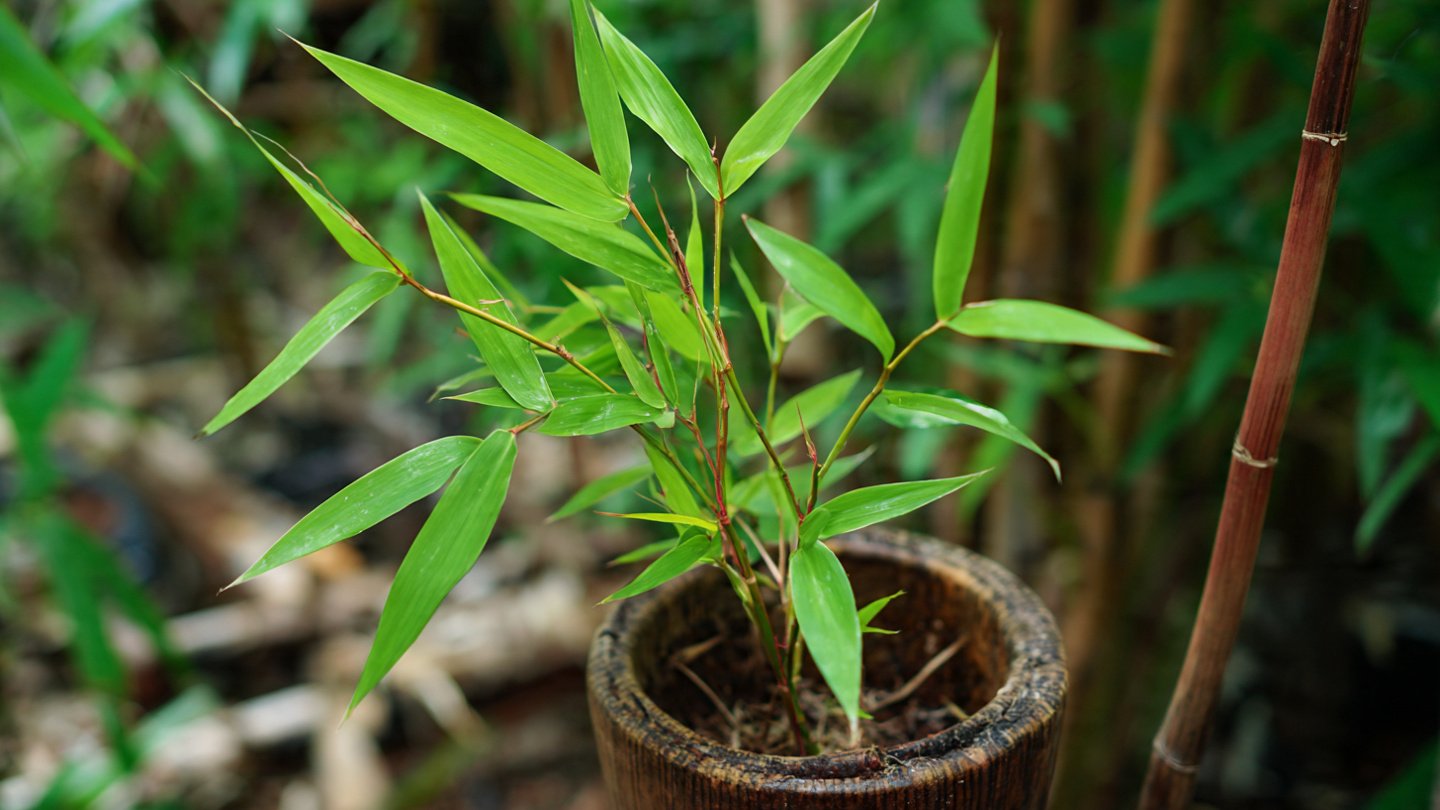
Bamboo is one of the fastest-growing plants on Earth and a favorite among gardeners for its beauty, strength, and versatility. Whether used as a natural privacy screen, ornamental plant, or eco-friendly building material, bamboo adds elegance and function to any landscape. While many people believe bamboo is difficult to propagate, the truth is that growing bamboo from cuttings is surprisingly simple when you follow the right technique.
This guide reveals a simple but highly effective trick to propagate bamboo from cuttings, helping you achieve strong roots, rapid growth, and healthy new plants—without expensive tools or advanced gardening skills.
Why Propagate Bamboo From Cuttings?
Propagating bamboo from cuttings offers several advantages over buying mature plants or growing from seed:
- Faster establishment than seeds
- Guaranteed plant characteristics (same as parent plant)
- Cost-effective way to multiply plants
- Ideal for home gardens and landscaping
- Better success rate when done correctly
Seeds are rare for many bamboo species and can take years to mature. Cuttings, on the other hand, allow you to clone healthy bamboo and enjoy growth much sooner.
Understanding Bamboo Growth Basics
Before starting, it helps to understand how bamboo grows. Bamboo spreads through rhizomes, underground stems that produce new shoots. However, certain bamboo species—especially clumping bamboo—can also be successfully propagated using culm (stem) cuttings.
The key to success lies in choosing the right cutting and providing moisture, warmth, and oxygen in the right balance.
Choosing the Right Bamboo Type
Not all bamboo varieties propagate equally from cuttings.
Best bamboo types for cutting propagation:
- Clumping bamboo (Bambusa, Fargesia species)
- Tropical and subtropical bamboo varieties
- Young, healthy bamboo plants
Running bamboo can be more challenging and is better propagated through rhizome division. If you’re a beginner, clumping bamboo offers the highest success rate.
The Simple Trick: Water-Filled Node Propagation
The most effective and beginner-friendly trick to propagate bamboo from cuttings is node-based water propagation. Bamboo nodes naturally store nutrients and can sprout roots when kept moist.
Why this trick works:
- Nodes contain dormant buds
- Water stimulates root activation
- Reduces risk of rot compared to soil-only methods
- Allows you to visually monitor root growth
This method dramatically improves success and leads to faster, stronger plant development.
Step 1: Selecting the Perfect Bamboo Cutting
Choose a healthy bamboo culm that is:
- At least 1–2 years old
- Green and firm (not woody or yellowing)
- Free from pests or disease
Cutting guidelines:
- Length: 12–18 inches (30–45 cm)
- Must contain at least one node, preferably two
- Use clean, sharp pruning shears
Make clean cuts just above and below the nodes to avoid damage.
Step 2: Preparing the Cutting
Once the cutting is taken, preparation is key.
Preparation steps:
- Remove all leaves to reduce moisture loss
- Seal the top cut with candle wax or garden wax to prevent drying
- Leave the bottom node exposed
Optional but helpful:
- Dip the bottom node in natural rooting hormone or aloe vera gel
This preparation ensures energy is directed toward root growth rather than leaf maintenance.
Step 3: Water-Filled Node Method
This is the simple trick that delivers amazing growth.
How to do it:
- Lay the bamboo cutting horizontally or place it upright in a container
- Fill the hollow internode with clean water
- Ensure the node stays moist at all times
- Change water every 2–3 days to prevent stagnation
Within 10–20 days, small roots and shoots begin forming at the node.
Step 4: Transitioning to Soil
Once roots reach 2–3 inches in length, it’s time to move the cutting into soil.
Ideal soil mix:
- 50% garden soil
- 30% compost or organic matter
- 20% sand or perlite for drainage
Plant the cutting so the rooted node is just below the soil surface. Water gently and keep soil consistently moist—but not soggy.
Step 5: Creating the Right Growing Conditions
Bamboo thrives when its environment supports rapid growth.
Key conditions:
- Light: Bright indirect sunlight or partial shade
- Temperature: Warm conditions (20–35°C / 68–95°F)
- Humidity: Moderate to high
- Water: Regular watering, especially in early stages
Avoid direct harsh sunlight for the first few weeks, as it can stress the young plant.
Step 6: Encouraging Amazing Growth
To promote fast and healthy bamboo growth:
- Mulch around the base to retain moisture
- Feed monthly with compost tea or organic fertilizer
- Keep soil evenly moist
- Protect young plants from strong wind
Bamboo responds quickly to care and can show visible growth within weeks.
Common Mistakes to Avoid
Even simple methods can fail if these mistakes are made:
- Using old or woody culms
- Allowing nodes to dry out
- Overwatering after planting in soil
- Exposing cuttings to strong sunlight too early
- Skipping water changes during propagation
Avoiding these errors greatly increases success rates.
How Long Until Bamboo Starts Growing Fast?
- Root development: 2–4 weeks
- New shoot emergence: 4–8 weeks
- Strong growth phase: After 3–6 months
Once established, bamboo enters a rapid growth cycle and may grow several feet in a single season, depending on the variety.
Can Bamboo Be Grown in Pots?
Yes! Bamboo adapts well to containers, especially clumping varieties.
Container tips:
- Use large, deep pots with drainage holes
- Refresh soil annually
- Prune roots if necessary to control size
Container-grown bamboo is perfect for balconies, patios, and small gardens.
Benefits of Propagating Bamboo at Home
- Saves money
- Ensures healthy, chemical-free plants
- Expands garden naturally
- Supports sustainable gardening
- Provides privacy, shade, and beauty
Bamboo is not only fast-growing but also environmentally friendly, making it an excellent choice for eco-conscious gardeners.
Final Thoughts
Propagating bamboo from cuttings doesn’t require complex tools or professional experience. By using the simple water-filled node trick, you can turn one bamboo plant into many, achieving strong roots and amazing growth with minimal effort.
The key is patience during the early stages and consistent moisture. Once bamboo establishes itself, it rewards you with rapid growth, resilience, and timeless beauty.
Whether you’re creating a green fence, adding elegance to your landscape, or simply enjoying the process of plant propagation, this method offers a reliable and satisfying way to grow bamboo successfully at home.