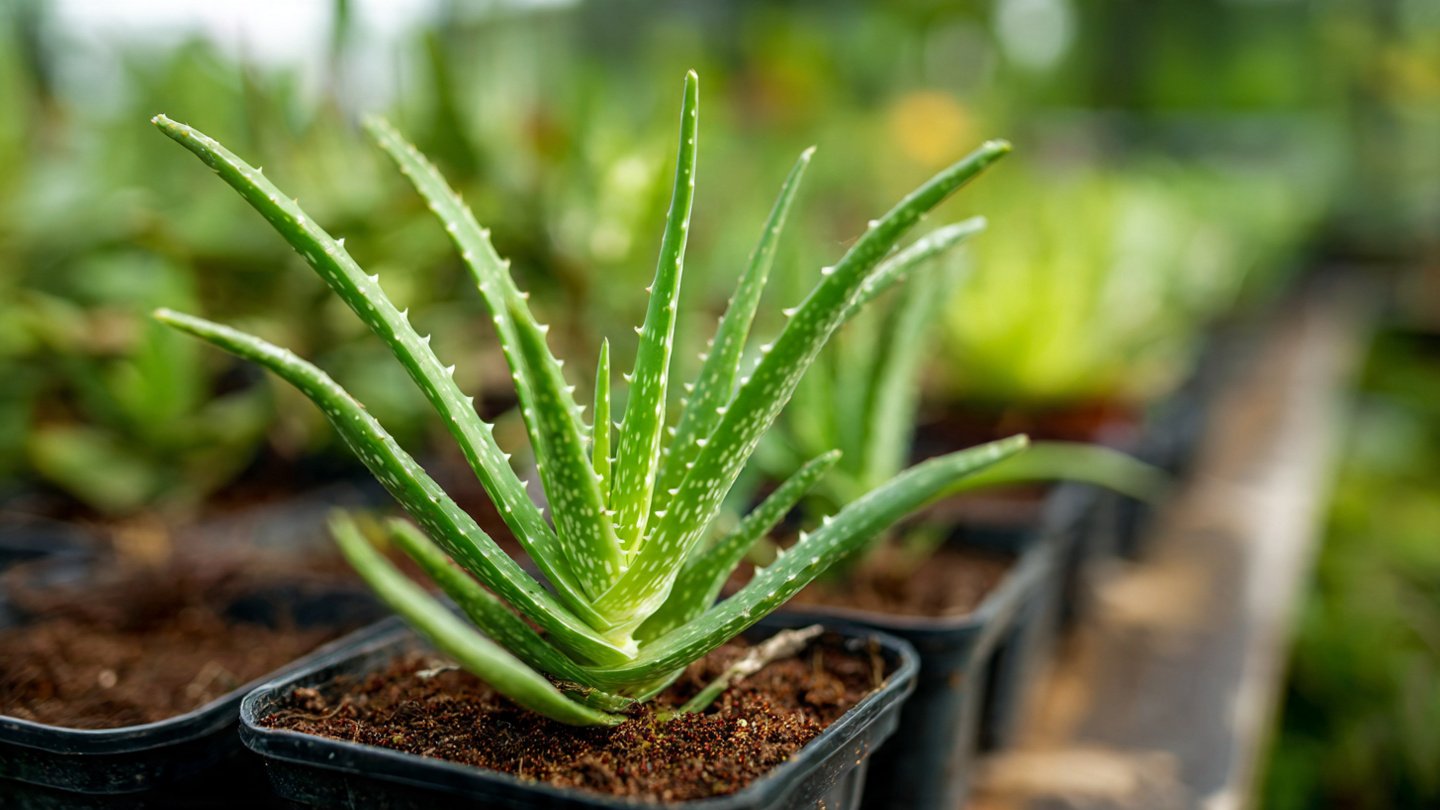
Aloe shrubs are among the most versatile and resilient plants you can add to your garden. Known for their succulent leaves, low maintenance requirements, and natural healing properties, aloe shrubs are an excellent choice for both beginner and experienced gardeners. Beyond their medicinal benefits, these plants bring architectural beauty to garden beds, patios, and even xeriscapes, thanks to their striking foliage and unique growth patterns.
Growing aloe shrubs in garden beds is not only simple but highly rewarding when you follow a few key techniques. This guide covers everything from soil preparation to watering strategies, planting, and ongoing care, ensuring that your aloe shrubs thrive year-round.
Why Aloe Shrubs Are Ideal for Garden Beds
Aloe shrubs are not just ordinary succulents—they are hardy, drought-tolerant, and capable of thriving in diverse climates. Here’s why they are particularly suited for garden beds:
- Low Maintenance: Aloe shrubs require minimal care compared to other garden plants, making them ideal for busy gardeners.
- Drought Tolerance: Once established, they thrive on limited water, making them perfect for arid or dry regions.
- Medicinal Benefits: Aloe leaves contain gel that is widely used for skincare, burns, and minor wounds.
- Versatile Aesthetics: With their rosette-shaped leaves and occasional flower spikes, aloe shrubs add texture and visual interest to garden beds.
- Soil Flexibility: While they prefer well-draining soil, they can tolerate sandy, rocky, or slightly clay-heavy soils.
These traits make aloe shrubs both practical and ornamental, a perfect combination for sustainable garden beds.
Selecting the Right Aloe Variety
The first step to success is choosing the right type of aloe for your garden. Common aloe shrubs suitable for garden beds include:
- Aloe vera: The most well-known variety, prized for its medicinal gel and tall, thick leaves.
- Aloe arborescens: A multi-branched shrub with vibrant orange flowers that bloom in winter, providing color when most other plants are dormant.
- Aloe ferox: Known for its robust size and medicinal sap, ideal for larger garden beds.
- Aloe brevifolia: A dwarf variety perfect for edging or smaller spaces.
Pro Tip: Choose a variety based on your climate, space availability, and whether you intend to harvest the leaves regularly.
Preparing Your Garden Bed
A successful aloe shrub starts with a properly prepared garden bed. Follow these steps to ensure a healthy foundation:
1. Choose the Right Location
Aloe shrubs thrive in full sun to partial shade. Ensure your garden bed receives at least 6–8 hours of sunlight per day for optimal growth. Avoid areas with persistent waterlogging or dense shade, as these conditions can cause root rot and slow growth.
2. Ensure Well-Draining Soil
Aloe shrubs need well-draining soil to prevent water accumulation around the roots. If your soil is heavy clay, amend it with sand, perlite, or small gravel. A good soil mix for aloe includes:
- 50% garden soil
- 25% sand or perlite
- 25% organic compost
This combination promotes proper drainage while retaining enough nutrients for healthy growth.
3. Remove Weeds and Debris
Before planting, clear the bed of weeds, rocks, and debris. Weeds compete for nutrients and water, which can hinder aloe growth. Regular weeding also helps reduce pests and improves air circulation around the plants.
Pro Tip: Raised garden beds or slightly mounded soil can improve drainage further, which is especially useful in regions with high rainfall.
Planting Aloe Shrubs
Planting aloe shrubs correctly ensures they establish quickly and remain healthy. Here’s a step-by-step guide:
1. Dig the Hole
Create a hole slightly larger than the root ball of the aloe shrub. A depth of about 10–12 inches is ideal for most varieties.
2. Position the Plant
Place the aloe shrub in the hole so that the base of the leaves sits slightly above soil level. Planting too deep can cause rot, while planting too high may expose roots to drying out.
3. Backfill and Firm Soil
Gently backfill the hole with amended soil, pressing lightly to remove air pockets while avoiding compacting the soil too much.
4. Mulch Around the Base
Apply a thin layer of mulch, such as small pebbles or gravel, around the base. Avoid piling mulch against the leaves, as trapped moisture can encourage fungal growth. Mulching helps retain soil moisture, prevent weeds, and regulate temperature.
Watering Techniques for Aloe Shrubs
Although aloe shrubs are drought-tolerant, proper watering is essential, especially during establishment:
- Initial Watering: After planting, water thoroughly to help roots settle.
- Regular Watering: Allow the soil to dry completely between watering sessions. Overwatering is the most common cause of aloe death.
- Seasonal Adjustments: Reduce watering in winter, as growth slows down, and the plant requires less moisture.
Pro Tip: A simple check is to insert your finger into the soil about 2 inches deep. If it feels dry, it’s time to water.
Fertilization and Soil Care
Aloe shrubs are not heavy feeders, but occasional fertilization encourages healthy growth and flowering:
- Type of Fertilizer: Use a balanced, low-nitrogen fertilizer or a cactus/succulent-specific fertilizer.
- Frequency: Fertilize once in spring and again in mid-summer. Avoid over-fertilizing, as excessive nitrogen encourages leaf growth at the expense of flowering.
- Soil Refresh: Every 1–2 years, lightly loosen the soil and mix in compost or organic matter to maintain nutrient levels.
Pruning and Maintenance
Aloe shrubs require minimal pruning, but light maintenance improves health and appearance:
- Remove dead, damaged, or dried leaves at the base. This prevents pests and allows the plant to focus energy on healthy growth.
- For multi-branched varieties like Aloe arborescens, prune older branches to encourage new shoots and denser foliage.
- Avoid cutting leaves that you intend to harvest for gel until they are fully matured and thick.
Pro Tip: Always use clean, sharp tools when pruning to prevent infection.
Pest and Disease Management
Aloe shrubs are generally resistant to pests and diseases, but certain conditions can attract problems:
- Mealybugs: Small white insects that suck sap; treat with neem oil or insecticidal soap.
- Aphids: Can cluster on flower stalks; remove by spraying water or using natural predators like ladybugs.
- Root Rot: Caused by overwatering or poor drainage; ensure soil is well-draining and avoid waterlogging.
Maintaining good airflow and sunlight exposure helps minimize pest and fungal issues.
Harvesting Aloe Leaves
One of the main benefits of aloe shrubs is their medicinal gel:
- Harvest mature, thick leaves from the outer portion of the plant.
- Cut at the base with a sharp knife.
- Wash and store the gel in a clean container or use it immediately for skincare or minor burns.
Pro Tip: Avoid harvesting more than one-third of the plant at a time to allow continued healthy growth.
Aloe Shrubs in Garden Design
Beyond practical uses, aloe shrubs are visually striking and versatile in landscape design:
- Borders and Edges: Use dwarf varieties to line pathways or garden beds.
- Centerpieces: Larger varieties like Aloe ferox create dramatic focal points.
- Companion Plants: Pair with ornamental grasses, lavender, or other succulents for texture contrast.
- Rock Gardens: Aloe thrives in sandy or rocky beds, making it ideal for naturalistic landscaping.
Their evergreen leaves and seasonal flower spikes add interest throughout the year, making your garden both functional and attractive.
Conclusion
Growing aloe shrubs in your garden beds is a simple, rewarding endeavor. With the right selection of varieties, proper soil preparation, correct planting techniques, and mindful care, these hardy succulents thrive in almost any garden setting. From their drought tolerance and low maintenance requirements to the health benefits of their medicinal gel, aloe shrubs are a versatile addition to any landscape.
By following the simple techniques outlined in this guide—including choosing the right location, ensuring well-draining soil, providing appropriate watering, and managing pests—you can cultivate aloe shrubs that are both beautiful and functional. Whether used as a natural remedy, a decorative element, or a drought-resistant addition to your garden, aloe shrubs offer a combination of utility and aesthetic appeal that makes them perfect for garden beds of all sizes.
With patience and consistent care, your aloe shrubs will flourish, providing you with vibrant greenery, seasonal blooms, and beneficial leaves for years to come.