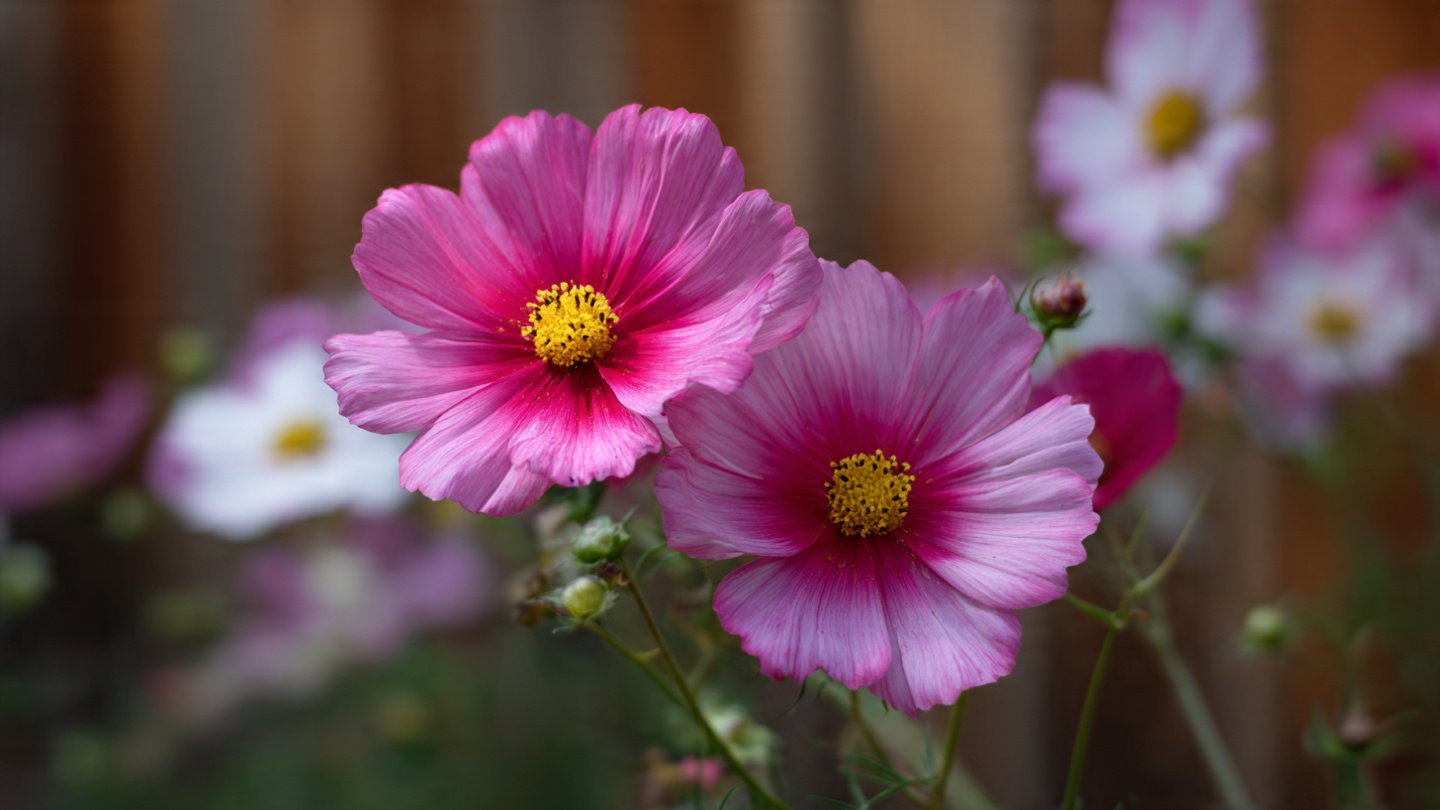
Tall cosmos varieties are among the most rewarding flowers you can grow in a home garden. With their airy foliage, graceful height, and abundant blooms, these flowers bring movement, color, and a natural meadow-like charm to any landscape. Best of all, cosmos are easy to grow, even for beginners, and thrive with minimal care once established.
If you’ve ever admired tall, swaying cosmos in cottage gardens or wildflower meadows, this guide will show you exactly how to achieve the same effect in your own space. From choosing the right varieties to supporting tall plants and encouraging continuous blooms, these simple strategies will help you grow healthy, towering cosmos with confidence.
Understanding Tall Cosmos Varieties
Cosmos belong to the daisy family and are native to Mexico and Central America. While there are compact types, tall cosmos varieties can reach heights of 4 to 7 feet, making them excellent for the back of flower beds, fences, or naturalized garden areas.
Popular Tall Cosmos Varieties
- Cosmos bipinnatus ‘Sensation Mix’ – classic tall plants with pink, white, and magenta blooms
- ‘Sea Shells’ Cosmos – unique tubular petals and strong stems
- ‘Purity’ – tall white cosmos with elegant, large flowers
- ‘Picotee’ – striking white petals edged with pink
These varieties are known for their resilience, rapid growth, and ability to thrive in warm climates.
Choosing the Right Location
One of the most important factors for growing tall cosmos successfully is location.
Sunlight Requirements
Cosmos thrive in full sun, requiring at least 6–8 hours of direct sunlight daily. While they can tolerate partial shade, insufficient light often results in weak stems and fewer flowers.
Space Considerations
Tall cosmos need room to grow and sway. Avoid crowding them between rigid plants or walls. Planting them where airflow is good helps prevent disease and strengthens stems.
Preparing the Soil the Right Way
Cosmos are not fussy about soil, which is part of their appeal. In fact, overly rich soil can cause problems.
Ideal Soil Conditions
- Well-draining soil is essential
- Slightly poor or average soil encourages more blooms
- Avoid heavy clay or waterlogged areas
If your soil is compacted, loosen it with garden soil or compost, but don’t overdo it. Excessive nutrients can lead to tall plants with lush leaves but very few flowers.
Sowing Seeds for Strong Growth
Tall cosmos grow best when directly sown into the garden.
When to Plant
- Sow seeds after the last frost
- Soil temperature should be warm (above 15°C / 60°F)
- In warmer regions, sowing can begin earlier in spring
How to Plant
- Scatter seeds lightly on the soil surface
- Cover with a thin layer of soil (¼ inch)
- Water gently
Seeds usually germinate within 7–10 days, making cosmos one of the fastest flowers to establish.
Proper Spacing for Tall Varieties
Spacing is critical for tall cosmos to prevent flopping and disease.
Recommended Spacing
- Space plants 12–18 inches apart
- Thinning seedlings early helps develop stronger root systems
Well-spaced plants receive better sunlight and airflow, leading to sturdier stems and more flowers.
Watering Strategies That Prevent Weak Stems
Cosmos are drought-tolerant once established, and overwatering can do more harm than good.
Best Watering Practices
- Water deeply but infrequently
- Allow soil to dry slightly between waterings
- Avoid daily shallow watering
Too much water encourages rapid, weak growth that makes tall cosmos more likely to fall over.
Supporting Tall Cosmos Plants
As tall cosmos mature, some varieties may need support, especially in windy areas.
Simple Support Methods
- Install bamboo stakes early in the season
- Use garden twine loosely around stems
- Plant cosmos in groups so they support each other naturally
Early support is better than trying to fix fallen plants later in the season.
Pinching and Pruning for Bushier Plants
One of the easiest ways to control height and increase blooms is pinching.
How to Pinch Cosmos
- When plants reach 12–18 inches tall, pinch the central growing tip
- This encourages side branches
- Results in bushier plants with more flowers
Regular deadheading (removing spent blooms) also helps keep plants flowering continuously.
Fertilizing: Less Is More
Cosmos thrive with minimal feeding.
Fertilizer Tips
- Avoid high-nitrogen fertilizers
- If needed, use a diluted balanced fertilizer once or twice in the season
- Compost tea can be used sparingly
Too much fertilizer produces tall leafy plants with few blooms, which defeats the purpose.
Managing Wind and Weather Challenges
Tall cosmos are naturally flexible, but strong winds can cause leaning or breakage.
Protective Strategies
- Plant near fences or hedges for wind protection
- Group planting strengthens stems
- Avoid exposed hilltops
Cosmos planted in slightly challenging conditions often grow stronger stems than pampered plants.
Pest and Disease Resistance
One of the best features of cosmos is their natural resistance to pests.
Common Issues (Rare)
- Aphids or spider mites during very hot, dry conditions
- Fungal problems in overly wet soil
Natural Solutions
- Spray with water to remove aphids
- Improve air circulation
- Avoid overhead watering
Healthy cosmos rarely suffer serious pest or disease problems.
Encouraging Continuous Blooms
With proper care, tall cosmos can bloom from early summer until the first frost.
Tips for Long Blooming
- Deadhead regularly
- Avoid overfeeding
- Keep plants slightly stressed (they bloom better)
Allowing a few flowers to go to seed late in the season also encourages natural reseeding for next year.
Using Tall Cosmos in Garden Design
Tall cosmos are incredibly versatile.
Best Garden Uses
- Back of flower borders
- Cottage and wildflower gardens
- Pollinator gardens (excellent for bees and butterflies)
- Fence lines and pathways
Their light, feathery foliage pairs beautifully with heavier plants like sunflowers, zinnias, and ornamental grasses.
Saving Seeds for Next Season
Cosmos are open-pollinated and very easy to save seeds from.
How to Save Seeds
- Let flowers dry on the plant
- Collect seed heads once fully brown
- Store seeds in a cool, dry place
Saved seeds often grow even better when adapted to your local conditions.
Final Thoughts
Cultivating tall cosmos varieties doesn’t require expert skills or expensive supplies. With plenty of sunlight, well-drained soil, modest watering, and minimal feeding, these elegant flowers will reward you with towering plants and months of colorful blooms.
By following these simple strategies—proper spacing, light support, occasional pinching, and mindful watering—you can enjoy a garden filled with tall, graceful cosmos that sway beautifully in the breeze and attract pollinators all season long.
Whether you’re designing a cottage garden or simply want easy, dramatic flowers, tall cosmos are a perfect choice for gardeners of all experience levels.