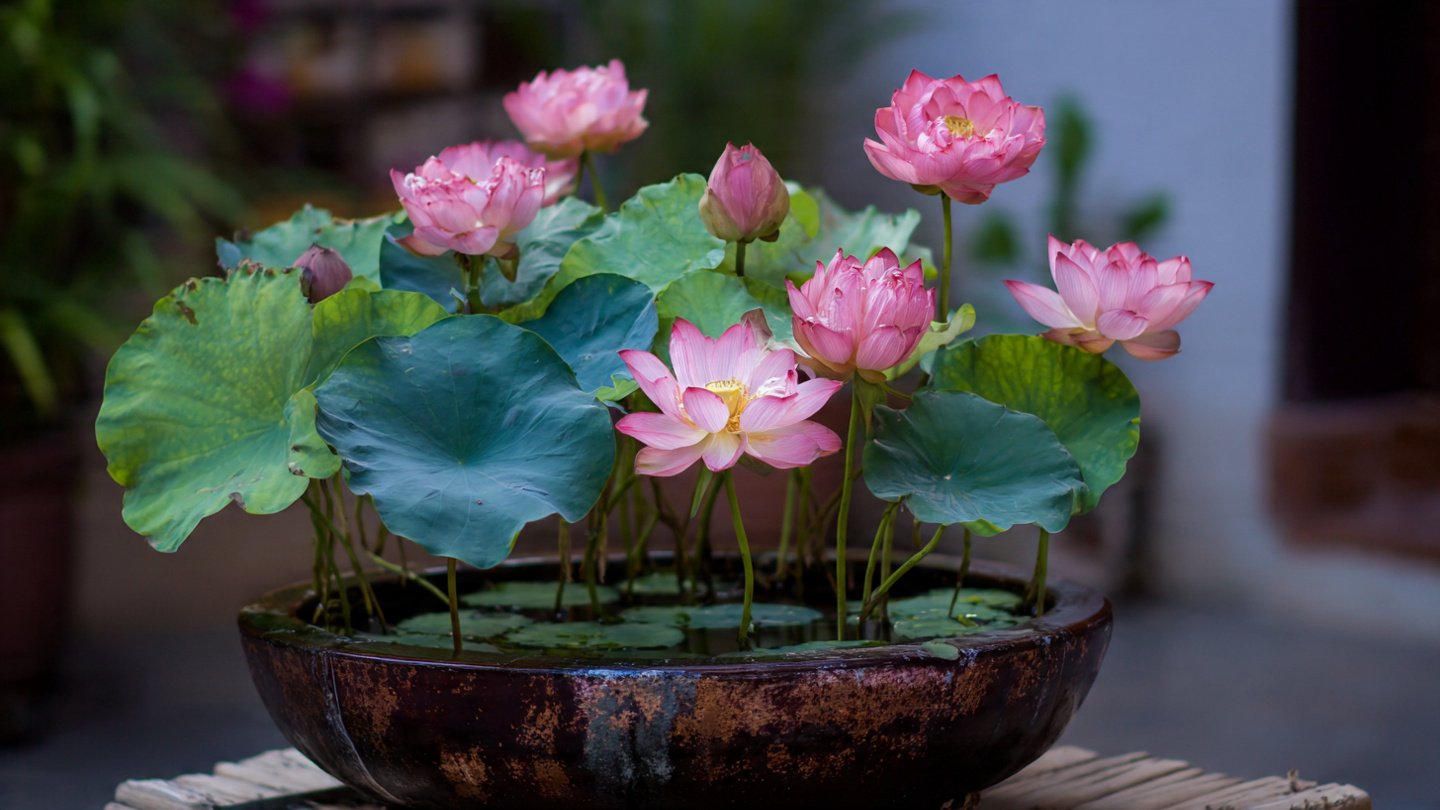
The lotus (Nelumbo nucifera) is one of the most enchanting aquatic plants, celebrated for its large, vibrant blooms, round floating leaves, and symbolic beauty. Often associated with purity and serenity, growing lotus at home can transform any space into a tranquil oasis. While lotus plants are commonly grown in ponds, they can also thrive in containers or tubs, making them perfect for beginners with limited space. With the right approach, you can enjoy these stunning flowers even in a small garden, balcony, or patio. This guide provides simple, beginner-friendly steps to successfully grow lotus in a tub, from selecting seeds or tubers to maintaining healthy blooms.
Why Grow Lotus in a Tub?
Growing lotus in a tub offers several advantages:
- Space Efficiency: Ideal for those without large garden ponds or water features.
- Mobility: Containers can be moved to optimize sunlight or protect plants from harsh weather.
- Control Over Growing Conditions: Easier to regulate water quality, sunlight, and soil composition.
- Aesthetic Appeal: Lotus tubs serve as beautiful decorative focal points in gardens or patios.
Growing lotus in a tub also allows beginners to gain confidence before attempting pond cultivation.
Choosing the Right Lotus Variety
Lotus comes in two main types:
- Seed-Grown Lotus (from seeds)
- Perfect for beginners interested in starting from scratch.
- Takes longer to bloom, usually 2–3 years.
- Offers a rewarding experience as you witness the entire growth cycle.
- Tuber-Grown Lotus (from tubers or rhizomes)
- Produces flowers faster, often in the first year.
- Easier for beginners because tubers are more resilient.
- Less susceptible to germination failure compared to seeds.
Tip: For a beginner, tubers are generally the easiest and fastest way to start growing lotus.
Selecting the Right Tub or Container
The tub or container plays a crucial role in lotus cultivation:
- Size: Lotus requires space for its roots and rhizomes to spread. Choose a tub at least 18–24 inches in diameter and 10–12 inches deep. Larger tubs encourage more flowers.
- Material: Plastic, ceramic, or fiberglass tubs work well. Avoid containers with holes, as lotus needs a stable water level.
- Weight: Consider the weight when filled with soil and water, especially if you plan to move it.
For small spaces, a wide, shallow tub works better than a tall, narrow one, as lotus roots prefer horizontal growth.
Preparing Soil and Water
Lotus plants thrive in nutrient-rich, heavy soils:
- Soil: Use loamy clay soil or aquatic planting soil. Avoid light potting mixes that float or get washed away.
- Fertilizer: Incorporate a slow-release aquatic fertilizer or organic compost to support growth and flowering.
- Water: Use clean, dechlorinated water. Tap water is acceptable if left to stand for 24 hours to remove chlorine.
Tip: Avoid commercial garden soil with high peat or perlite content, as it can float and cloud the water.
Planting Lotus Tubers
Planting tubers requires care to avoid damaging the delicate growing tips:
- Positioning: Place the tuber horizontally in the soil, with the growing tip (pointed end) slightly above the soil surface.
- Soil Coverage: Cover the tuber lightly with 1–2 inches of soil, leaving the growing tip exposed.
- Anchoring: Use small stones around the tuber to prevent it from floating as water is added.
- Filling Water: Gradually add water until the tuber is submerged 2–3 inches above the soil.
For seed propagation, scarify or gently crack the seed coat, soak overnight in warm water, and allow sprouting before transferring to soil.
Ideal Growing Conditions
Lotus thrives under specific environmental conditions:
- Sunlight: Full sun for at least 6–8 hours daily is essential for strong growth and blooming.
- Temperature: Lotus grows best in warm climates between 25–35°C (77–95°F).
- Water Depth: Keep water shallow initially; increase depth as the plant grows. Water should cover the soil by 2–4 inches.
- Fertilization: Begin fertilizing once leaves appear. Use aquatic plant fertilizer tablets every 2–3 weeks for optimal flowering.
Caring for Lotus in a Tub
1. Water Maintenance
- Ensure the tub always has sufficient water. Evaporation is common, especially in summer.
- Avoid completely draining the tub, as sudden changes can stress the plant.
2. Controlling Algae
- Use floating plants like water lettuce or water hyacinth to shade the water and reduce algae growth.
- Avoid over-fertilizing, as excess nutrients encourage algae.
3. Pruning
- Remove yellowing or damaged leaves promptly to maintain plant health.
- Trim spent flowers to encourage more blooms.
4. Pest Control
- Common pests include aphids, caterpillars, and snails.
- Use natural pest control methods, such as neem oil or handpicking pests.
Winter Care for Lotus
Lotus is hardy but requires protection in colder climates:
- Indoor Storage: Move tubs indoors or to a greenhouse if temperatures drop below 10°C (50°F).
- Mulching: Add straw or leaves to protect the tuber if the tub is left outdoors.
- Reduced Watering: During dormancy, water sparingly. The tuber doesn’t need full submersion while dormant.
Common Challenges and Solutions
| Challenge | Solution |
|---|---|
| Tubers Rotting | Ensure proper soil type, avoid waterlogging, and don’t cover the growing tip. |
| No Blooms | Ensure full sunlight, adequate fertilization, and sufficient water depth. |
| Algae Overgrowth | Reduce sunlight exposure on water, use floating plants, avoid over-fertilizing. |
| Pests | Remove manually or use safe, natural pest control like neem oil. |
Benefits of Growing Lotus in a Tub
- Aesthetic Beauty: Lotus tubs provide serene and decorative focal points.
- Therapeutic Value: Caring for lotus reduces stress and promotes mindfulness.
- Environmental Benefits: Lotus purifies water by absorbing nutrients and supporting aquatic life.
- Educational Opportunity: Observing growth from tubers or seeds teaches beginners about plant cycles and aquatic gardening.
Tips for Encouraging More Blooms
- Regular Fertilization: Use slow-release aquatic fertilizer to ensure consistent nutrient supply.
- Adequate Sunlight: Ensure no shading from nearby trees or structures.
- Thin Out Crowded Plants: If multiple tubers are planted, thin to reduce competition for nutrients.
- Patience: Especially for seed-grown lotus, blooming may take 2–3 years. Tubers generally bloom in the first year.
Creating a Beautiful Lotus Tub Display
- Add Decorative Stones or Gravel: Helps anchor tubers and adds visual appeal.
- Combine with Floating Plants: Water lilies or duckweed complement lotus and improve water health.
- Place Strategically: Position tubs near patios, windows, or garden corners to enjoy blooms and fragrance.
- Use Decorative Containers: Glazed ceramic or painted tubs enhance the beauty of your lotus display.
Conclusion
Growing lotus in a tub is a highly rewarding experience for beginners, combining beauty, fragrance, and the calming effect of water gardens. By following simple steps—choosing the right tuber or seed, preparing soil, planting carefully, maintaining optimal water and sunlight conditions, and regular care—you can enjoy healthy lotus plants that bloom year after year.
This method not only makes lotus cultivation accessible but also allows for container gardening flexibility, making it perfect for small spaces or urban gardens. With patience and attention to detail, a tub of lotus can transform any area into a serene and aesthetically pleasing retreat.
Whether for personal enjoyment, meditation, or decorative purposes, learning to grow lotus in a tub provides both satisfaction and the beauty of nature at your fingertips. Begin with one tub, nurture it carefully, and watch as your lotus blooms gracefully, offering elegance and tranquility to your home or garden.