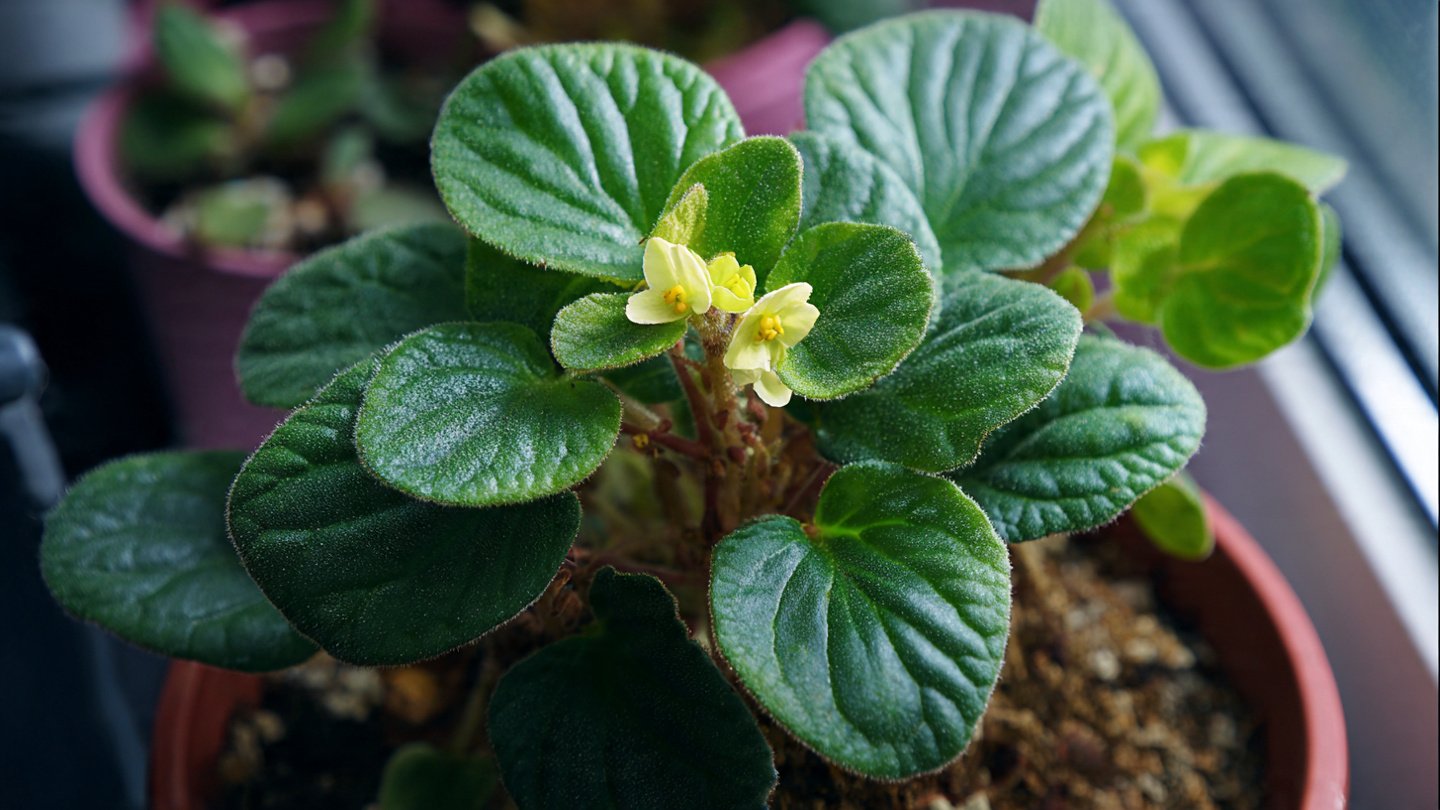
African violets (Saintpaulia spp.) are one of the most popular indoor plants, cherished for their vibrant, velvety flowers and compact, attractive foliage. Their beauty is matched by their surprisingly easy propagation, especially from a single leaf. If you’re a beginner looking to expand your collection or share plants with friends, propagating African violets from leaf cuttings is a simple, cost-effective, and rewarding method. This guide will walk you through easy, step-by-step techniques to ensure your success in creating new plants from just one leaf.
Why Propagate African Violets from Leaf?
Propagation from leaf cuttings is the most common and successful method for African violets, especially for beginners. Here’s why:
- Saves Money: Instead of buying new plants, you can create multiple plants from a single leaf.
- Easy and Reliable: Leaf propagation has a high success rate compared to seed propagation.
- Fast Results: New plantlets often form within 4–8 weeks, depending on care and conditions.
- Clonal Growth: Propagated plants retain the exact characteristics of the parent plant, ensuring the same flower color, size, and leaf shape.
With just one healthy leaf and proper care, you can generate a whole collection of African violets for your home or as gifts.
Step 1: Selecting the Right Leaf
Choosing a healthy leaf is the first step toward successful propagation.
What to look for:
- Select mature, healthy leaves—not too old or young.
- Avoid damaged, yellowing, or disease-prone leaves.
- Leaves from the middle or lower part of the plant are ideal—they have more energy reserves for rooting.
Tip: Choose a leaf with a short petiole (the stem-like part) about 1–1.5 inches long. A longer petiole can be trimmed to the appropriate length before planting.
Step 2: Preparing the Leaf Cutting
Proper preparation ensures your leaf cutting has the best chance of developing roots and new plantlets.
Steps:
- Cut the Leaf: Use a sharp, clean knife or scissors to cut the leaf with its petiole.
- Trim the Petiole: Cut the petiole at a 45-degree angle. This increases the surface area for rooting and helps the leaf absorb nutrients.
- Optional Rooting Hormone: Dip the cut end of the petiole in rooting hormone powder or gel. This can stimulate root growth and speed up propagation.
Tip: Always use clean tools to prevent bacterial or fungal infections.
Step 3: Choosing the Right Medium
African violets need a light, well-draining medium for successful propagation.
Recommended mediums:
- African violet potting mix: Specially formulated to provide the right balance of moisture and aeration.
- Perlite and peat moss mix: Equal parts perlite and peat moss create a fluffy, well-drained medium.
- Vermiculite or coco coir: These materials also work well for retaining moisture without waterlogging.
Avoid garden soil, as it can compact and harbor pathogens that prevent rooting.
Step 4: Planting the Leaf Cutting
Planting correctly is essential for healthy root and plantlet development.
Steps:
- Make a small hole in the prepared medium with a pencil or your finger.
- Insert the cut end of the petiole into the hole at a 45-degree angle.
- Firm the soil gently around the petiole to hold the leaf in place.
- Water lightly, keeping the medium slightly moist but not soggy.
Tip: Plant the leaf deep enough to support it upright, but avoid burying the leaf blade.
Step 5: Creating a Humid Environment
High humidity encourages root development and prevents leaf desiccation.
Methods:
- Plastic Cover: Place the potted leaf in a clear plastic bag or cover it with a mini greenhouse dome.
- Transparent Container: Alternatively, use a clear plastic cup or container over the leaf.
- Misting: Lightly mist the medium to maintain moisture, but avoid wetting the leaf itself, which can lead to rot.
Tip: Ensure some airflow to prevent mold growth. Open the cover for a few minutes each day to refresh the air.
Step 6: Providing Light and Temperature
Proper light and warmth are crucial for root formation and plantlet growth.
- Light: Place the leaf in bright, indirect light. Avoid direct sunlight, which can scorch the leaf.
- Temperature: Maintain a consistent temperature of 70–75°F (21–24°C).
- Avoid Drafts: Keep the cutting away from cold drafts or heating vents.
Tip: If natural light is insufficient, fluorescent or LED grow lights can provide the consistent illumination African violets need.
Step 7: Watering and Care During Propagation
During the propagation phase, careful watering is key:
- Keep the soil slightly moist, not wet. Overwatering can cause rot.
- Water from the bottom by placing the pot in a shallow tray of water. This allows the soil to absorb moisture gradually.
- Avoid watering directly on the leaf or petiole.
Patience is crucial: Roots and small plantlets may take 4–8 weeks to appear. Avoid disturbing the leaf during this period.
Step 8: Encouraging Root and Plantlet Development
Once roots begin forming, you may notice small plantlets emerging at the base of the leaf.
Tips for successful growth:
- Continue providing bright, indirect light and consistent moisture.
- Fertilize lightly with a diluted African violet fertilizer once plantlets have 2–3 true leaves.
- Transplant new plantlets into individual pots once they are large enough to handle (usually after 2–3 months).
Tip: Always handle plantlets gently to avoid damaging the delicate roots.
Step 9: Transplanting the New Plants
After 2–3 months, your new African violets are ready to move into their own pots.
Steps:
- Prepare a small pot with fresh African violet potting mix.
- Gently separate the plantlet from the mother leaf, leaving the mother leaf intact if possible.
- Plant the new plantlet in the center of the pot and water lightly.
- Place the new plant in bright, indirect light and continue regular care.
Tip: Avoid fertilizing newly transplanted plantlets for the first few weeks to prevent nutrient stress.
Common Mistakes to Avoid
- Using Old or Damaged Leaves: These rarely produce roots and plantlets.
- Overwatering: Excess water leads to rot and fungal infections.
- Insufficient Light: Low light slows growth and may cause elongated, weak plantlets.
- Disturbing Roots Too Soon: Handle only when plantlets are strong enough for transplanting.
- Ignoring Humidity: Dry air can cause leaf curling or desiccation during rooting.
By avoiding these mistakes, beginners can achieve higher success rates in leaf propagation.
Benefits of Propagating from Leaf
- Economical: A single leaf can produce multiple plantlets, expanding your collection for minimal cost.
- Reproducibility: New plants are genetically identical to the parent, preserving desirable traits.
- Satisfaction: Watching a new plant grow from a tiny leaf is rewarding and encourages more gardening.
- Gift Potential: Homemade African violet plants make excellent gifts for friends and family.
Conclusion
Propagating African violets from leaf is a simple, beginner-friendly method that brings joy, beauty, and satisfaction to indoor gardeners. By carefully selecting a healthy leaf, preparing it properly, using the right soil, maintaining humidity, and providing appropriate light and care, anyone can successfully grow new plants from a single leaf.
The process is not only cost-effective but also encourages eco-friendly gardening practices by maximizing the potential of your existing plants. Within a few months, you can watch a tiny leaf transform into multiple flourishing plants, each producing delicate flowers to brighten your home.
With patience, attention, and the right steps, leaf propagation ensures that your African violet collection continues to grow, offering endless beauty, color, and fulfillment to your indoor garden. Beginners will find this method rewarding, simple, and surprisingly fast—turning a single leaf into a thriving plant is one of the most satisfying experiences in indoor gardening.
Start today, and discover the joy of watching life grow from just one leaf!