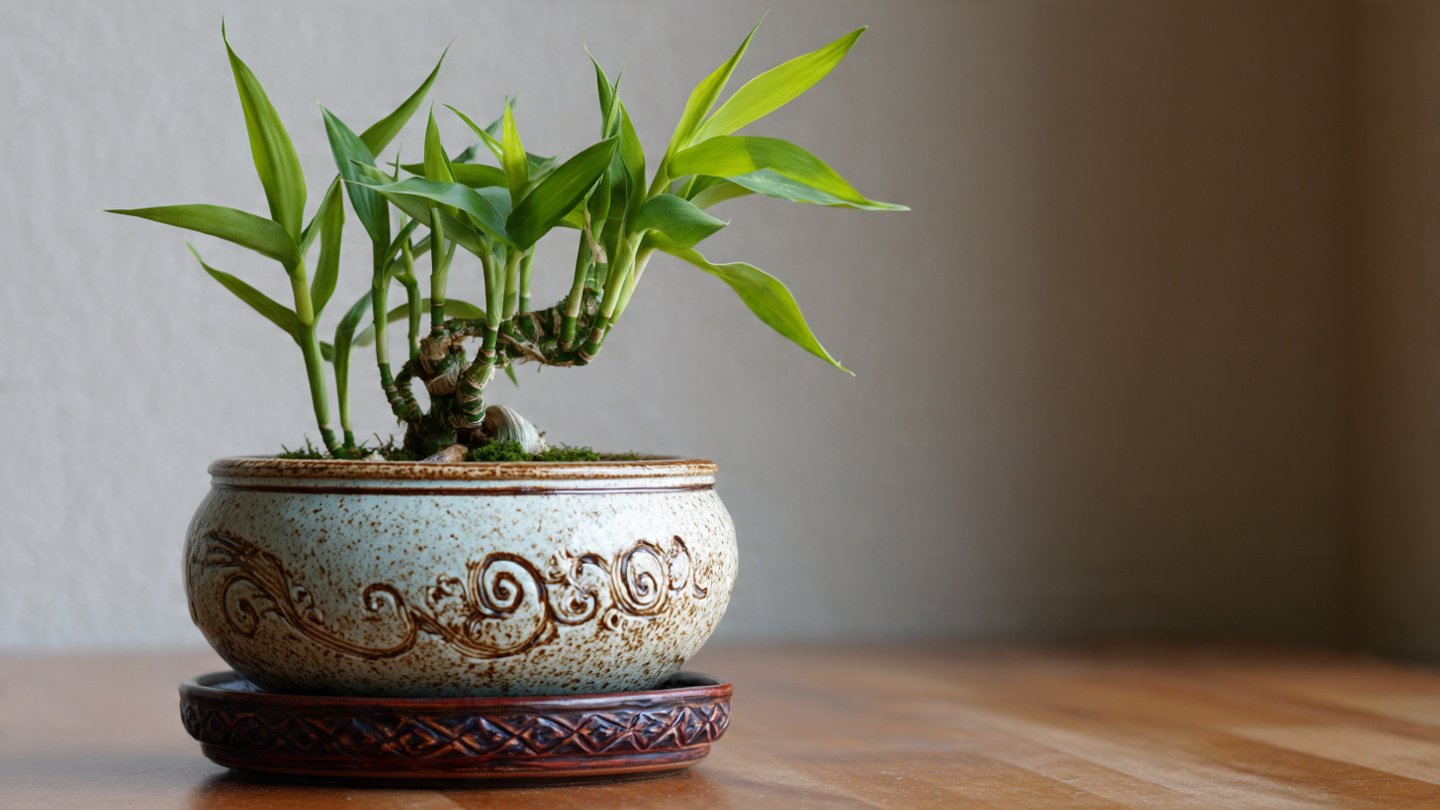
Lucky bamboo is one of the most popular indoor plants in the world—and for good reason. With its graceful green stalks, minimal care requirements, and strong association with good fortune and positive energy, lucky bamboo is a favorite among beginners and experienced plant lovers alike. Whether placed on a desk, windowsill, or coffee table, it adds elegance and calm to any space.
Despite its name, lucky bamboo isn’t actually bamboo. It belongs to the Dracaena family, which explains its resilience and adaptability to indoor environments. Growing lucky bamboo in a bowl is one of the simplest and most attractive ways to enjoy this plant, requiring very little space or gardening experience.
This guide will walk you through everything you need to know to grow lucky bamboo successfully in a bowl, from choosing the right container to long-term care and troubleshooting.
Why Grow Lucky Bamboo in a Bowl?
Growing lucky bamboo in a bowl is both practical and decorative. Bowls allow for flexible arrangements and make it easy to showcase the plant’s sculptural stems and lush leaves.
Some key benefits include:
- Requires no soil when grown in water
- Perfect for small spaces and indoor settings
- Low maintenance and beginner-friendly
- Adaptable to modern and traditional décor
- Long-lasting with proper care
Whether you’re growing it for aesthetics, symbolism, or both, lucky bamboo thrives in simple setups.
Choosing the Right Bowl
The bowl you choose plays an important role in the plant’s health. Glass bowls are especially popular because they allow you to monitor water levels and root growth. Ceramic or porcelain bowls also work well, as long as they are watertight.
Choose a bowl that is wide enough to support the stalks without crowding them. Lucky bamboo prefers a stable base, so avoid containers that tip easily.
Depth is also important. The bowl should be deep enough to hold water that fully covers the roots while keeping the stalks upright.
Selecting Healthy Lucky Bamboo Stalks
Healthy stalks are the foundation of successful growth. When selecting lucky bamboo, look for firm, green stems without yellowing or soft spots. Leaves should be vibrant and free from browning at the tips.
Avoid stalks with blackened roots or foul odors, as these indicate rot. If buying multiple stalks, choose ones of similar size for a balanced arrangement.
Growing Lucky Bamboo in Water
Lucky bamboo grows beautifully in water, making it ideal for bowl cultivation. Place the stalks in the bowl and add clean water until the roots are fully submerged. The water level should sit just above the roots but not cover too much of the stem.
Use filtered, distilled, or rainwater whenever possible. Tap water often contains chlorine and fluoride, which can damage lucky bamboo over time. If tap water is your only option, let it sit out for 24 hours before use to allow chemicals to dissipate.
Change the water every 7 to 10 days to prevent stagnation and bacterial growth. Rinse the roots gently during water changes to keep them clean and healthy.
Using Pebbles for Support
Pebbles or decorative stones are commonly added to bowls to support lucky bamboo stalks. They help keep the plant upright and add visual interest to the arrangement.
Rinse pebbles thoroughly before use to remove dust and residue. Place them around the base of the stalks, securing them gently without damaging roots.
Pebbles should always remain submerged to avoid drying out the roots.
Light Requirements for Healthy Growth
Lucky bamboo thrives in bright, indirect light. Direct sunlight can scorch the leaves and cause yellowing, while low light may slow growth.
Place the bowl near a window with filtered light or in a well-lit room away from harsh sun rays. Lucky bamboo adapts well to indoor lighting, making it suitable for offices and shaded living spaces.
Rotate the bowl occasionally to ensure even growth and prevent leaning.
Maintaining Proper Temperature and Humidity
Lucky bamboo prefers warm, stable temperatures between 65°F and 85°F (18°C–29°C). Avoid placing it near air conditioners, heaters, or drafty windows, as sudden temperature changes can stress the plant.
While lucky bamboo tolerates normal indoor humidity, it benefits from occasional misting, especially in dry climates. Misting helps keep leaves fresh and prevents browning at the tips.
Fertilizing Lucky Bamboo in a Bowl
Lucky bamboo requires very little fertilizer. Overfeeding can cause yellowing leaves and weak growth.
Use a diluted liquid fertilizer specifically designed for lucky bamboo or houseplants, applied once every two to three months. Only a drop or two is sufficient when growing in water.
If the plant appears healthy and green, fertilizing may not be necessary at all.
Pruning and Shaping Lucky Bamboo
Pruning keeps lucky bamboo looking neat and encourages fresh growth. Trim yellow or damaged leaves using clean scissors.
If the plant becomes too tall, you can cut the stalk just above a node. New shoots will emerge from the cut area, allowing you to control the plant’s height and shape.
Pruned cuttings can be rooted in water and grown as new plants.
Common Problems and Easy Solutions
Even though lucky bamboo is hardy, occasional issues may arise.
- Yellow leaves: Often caused by poor water quality or too much sunlight
- Brown tips: Usually due to low humidity or chemical buildup
- Soft stalks: A sign of root rot from stagnant water
Most problems can be resolved by changing the water, adjusting light, or improving airflow.
Symbolism and Arrangement Ideas
Lucky bamboo is deeply rooted in Feng Shui traditions. The number of stalks is believed to carry different meanings:
- Two stalks symbolize love
- Three stalks represent happiness, wealth, and longevity
- Five stalks promote balance
- Eight stalks attract prosperity
Arranging lucky bamboo in a bowl allows you to customize both its appearance and symbolic value.
Long-Term Care and Enjoyment
With consistent care, lucky bamboo can thrive for years. Regular water changes, proper lighting, and gentle maintenance are all it takes to keep it healthy.
As it grows, you can refresh the arrangement by cleaning the bowl, replacing pebbles, or reshaping the stalks.
Final Thoughts
Growing lucky bamboo in a bowl is one of the simplest and most rewarding ways to enjoy indoor plants. Its graceful form, symbolic meaning, and low maintenance needs make it perfect for beginners and plant enthusiasts alike.