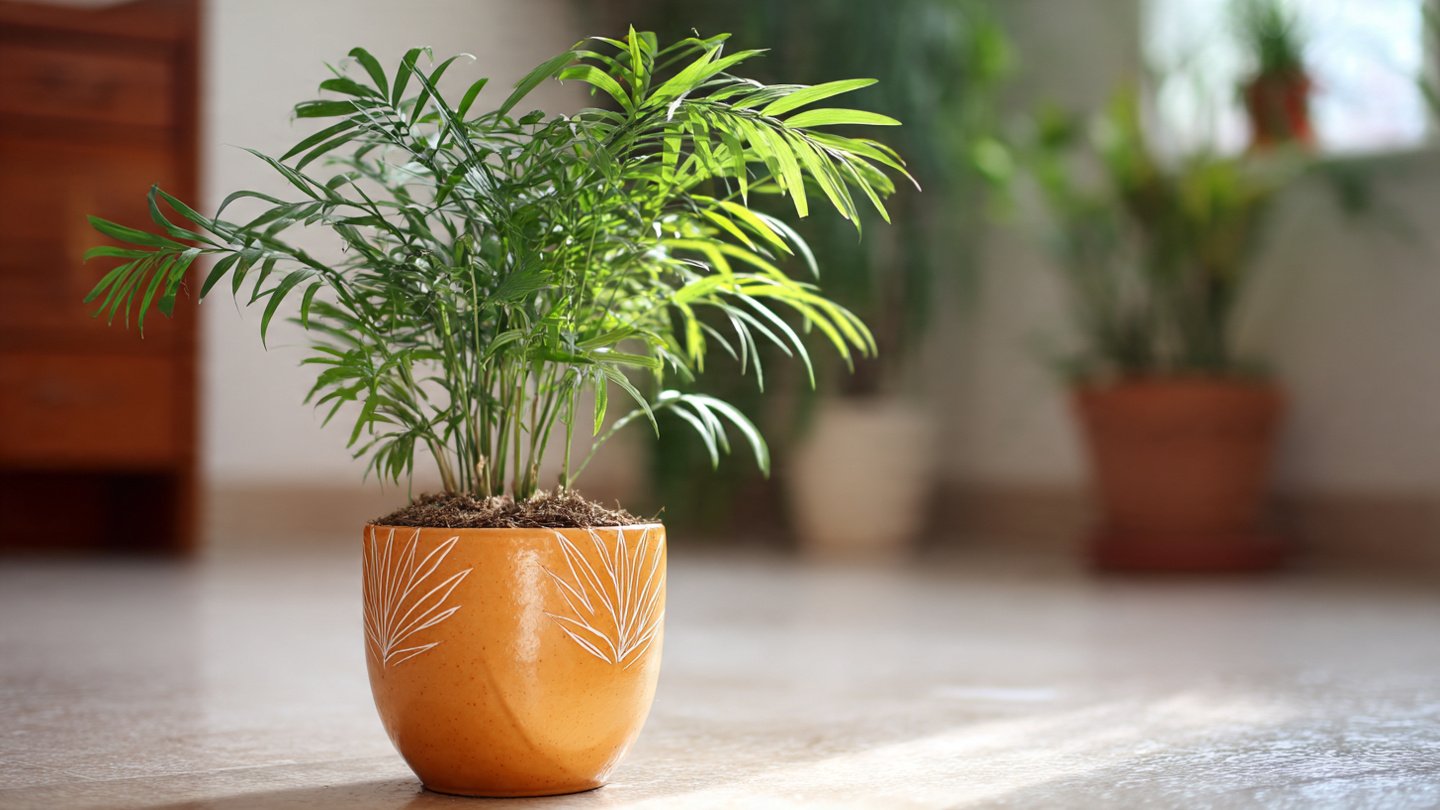
The Parlor Palm Compact (Chamaedorea elegans ‘Compacta’) is a classic choice for indoor gardening. Its lush, feathery fronds, slow growth, and adaptability to low light make it perfect for homes, offices, and apartments. Unlike larger palms, the compact variety stays manageable while adding a touch of greenery and elegance to indoor spaces.
Growing a Parlor Palm indoors may seem daunting for beginners, but with simple, straightforward methods, you can enjoy a healthy, thriving plant that enhances your interior décor. This guide will walk you through everything you need to know for successfully growing Parlor Palm Compact indoors, including soil, watering, light, fertilization, and general care.
Why Choose Parlor Palm Compact for Indoor Gardening
The Parlor Palm Compact is a favorite among indoor gardeners for several reasons:
- Low Maintenance: Thrives in low-light conditions and tolerates minor neglect.
- Air Purifying: Helps improve indoor air quality by filtering toxins.
- Slow Growth: Remains compact, making it ideal for limited spaces.
- Versatility: Fits living rooms, bedrooms, offices, and corners with minimal space.
- Aesthetic Appeal: Feathery, bright green fronds bring elegance and a tropical feel.
With its hardy nature and graceful foliage, the Parlor Palm Compact is perfect for beginners and busy homeowners alike.
Step 1: Choosing the Right Container
The container plays a significant role in your palm’s health:
- Size: Choose a pot slightly larger than the root ball, allowing room for growth. Avoid oversized pots, which can retain excess water and cause root rot.
- Drainage: Ensure the pot has drainage holes to prevent waterlogging, the most common problem in indoor palms.
- Material: Ceramic, clay, or plastic pots work well. Clay pots allow the soil to breathe, reducing overwatering risk.
A suitable container provides stability, proper drainage, and adequate root space for long-term growth.
Step 2: Selecting the Right Soil
Parlor Palm Compact prefers well-draining, slightly acidic soil. A simple, effective soil mix for indoor palms includes:
- 2 parts potting soil
- 1 part peat moss or coco coir
- 1 part perlite or sand for drainage
Pro Tip: Avoid heavy garden soil or clay-based mixes. Poor drainage can suffocate roots and lead to yellowing leaves.
Healthy soil ensures your palm develops strong roots and vibrant fronds.
Step 3: Proper Light Conditions
Although the Parlor Palm Compact tolerates low light, providing the right lighting ensures optimal growth:
- Indirect Light: Place near east- or north-facing windows. Avoid direct sunlight, which can scorch leaves.
- Artificial Light: If natural light is limited, fluorescent or LED grow lights can supplement growth.
- Rotating the Plant: Rotate your palm every few weeks so all sides receive light evenly.
With adequate lighting, your palm develops rich green foliage and upright growth.
Step 4: Watering Techniques
Overwatering is the most common indoor palm mistake. Follow these simple watering tips:
- Consistency: Water when the top 1–2 inches of soil feel dry.
- Even Moisture: Keep soil slightly moist but not soggy.
- Drain Excess: Ensure water drains completely; never let the pot sit in standing water.
- Humidity: Parlor Palms enjoy moderate humidity. Mist leaves occasionally or use a humidity tray.
Proper watering prevents root rot, yellowing leaves, and stress while promoting healthy growth.
Step 5: Fertilization
While Parlor Palms are slow-growing, occasional feeding encourages strong, lush foliage:
- Balanced Fertilizer: Use a liquid fertilizer with equal parts nitrogen, phosphorus, and potassium (10-10-10).
- Frequency: Fertilize once a month during the growing season (spring and summer). Avoid fertilizing in winter.
- Organic Alternatives: Diluted compost tea or worm castings provide natural nutrients without chemicals.
Fertilization ensures your palm maintains vibrant green fronds year-round.
Step 6: Repotting
Repotting helps maintain soil health and accommodate root growth:
- Frequency: Repot every 2–3 years or when roots fill the container.
- Timing: Early spring is ideal to avoid stressing the plant.
- Technique: Gently remove the palm, loosen roots, and place in fresh soil in a slightly larger container.
Repotting revitalizes growth and prevents root-bound conditions, ensuring your palm stays healthy.
Step 7: Pruning and Maintenance
Pruning is simple but important:
- Remove Yellow or Brown Leaves: Trim damaged fronds at the base using clean scissors.
- Avoid Over-Pruning: Only remove older, discolored leaves; new growth should be left intact.
- Clean the Fronds: Wipe leaves gently with a damp cloth to remove dust and improve photosynthesis.
Routine maintenance keeps your Parlor Palm attractive and disease-free.
Step 8: Temperature and Humidity
Parlor Palms prefer stable indoor conditions:
- Temperature: Ideal range is 65–80°F (18–27°C). Avoid cold drafts below 50°F (10°C).
- Humidity: Moderate humidity supports growth. If air is dry, use a humidifier or mist leaves regularly.
- Avoid Sudden Changes: Sudden temperature fluctuations can stress the palm and slow growth.
Maintaining consistent conditions ensures steady, healthy development.
Step 9: Pest Management
Although generally hardy, Parlor Palms can face occasional pests like spider mites, mealybugs, or scale insects:
- Regular Inspection: Check leaves and stems weekly for signs of pests.
- Natural Remedies: Wipe leaves with a solution of water and mild soap or use neem oil spray.
- Isolation: Quarantine new plants before introducing them to prevent infestation.
Proactive pest management keeps your indoor palm vibrant and healthy without harsh chemicals.
Step 10: Encouraging Compact Growth
The Parlor Palm Compact naturally grows slowly, but a few simple techniques help maintain its dense, compact form:
- Light Control: Moderate indirect light encourages compact growth. Too much light can elongate stems.
- Container Size: Smaller pots restrict growth slightly, keeping the palm manageable.
- Minimal Pruning: Trim only discolored fronds to avoid stressing the plant.
These strategies ensure your palm remains neat, dense, and visually appealing indoors.
Common Mistakes to Avoid
- Overwatering: Leads to root rot and yellow leaves.
- Direct Sunlight Exposure: Causes leaf burn.
- Underfeeding: Can slow growth and lead to pale leaves.
- Ignoring Humidity: Dry air may brown leaf tips.
- Neglecting Repotting: Can result in root-bound plants and stunted growth.
Avoiding these mistakes ensures your Parlor Palm thrives indoors with minimal effort.
Benefits of Growing Parlor Palm Compact Indoors
- Aesthetic Appeal: Adds elegance and a tropical feel to interiors.
- Air Purification: Improves indoor air quality by filtering toxins.
- Low Maintenance: Requires minimal attention, making it ideal for busy homeowners.
- Compact Size: Fits small apartments or offices without overwhelming space.
- Longevity: With proper care, Parlor Palms can live for decades indoors.
This combination of beauty, resilience, and adaptability makes it a perfect indoor companion plant.
Conclusion
Growing the Parlor Palm Compact indoors is simple, rewarding, and beginner-friendly. By following these methods, you can ensure your palm thrives and adds elegance, greenery, and freshness to your indoor spaces.
Key points to remember for successful growth include:
- Choose the right container and well-draining soil.
- Provide indirect light and moderate humidity.
- Water carefully, avoiding overwatering.
- Fertilize during the growing season to support healthy foliage.
- Prune, repot, and manage pests for long-term health.
With consistent care, attention, and patience, your Parlor Palm Compact will remain a lush, vibrant centerpiece in your home for years. Its slow growth, adaptability, and beauty make it an ideal plant for both beginners and seasoned indoor gardeners.
By integrating this simple palm into your indoor garden, you enjoy low-maintenance greenery that purifies the air, elevates your décor, and provides the satisfaction of nurturing a thriving, healthy plant.