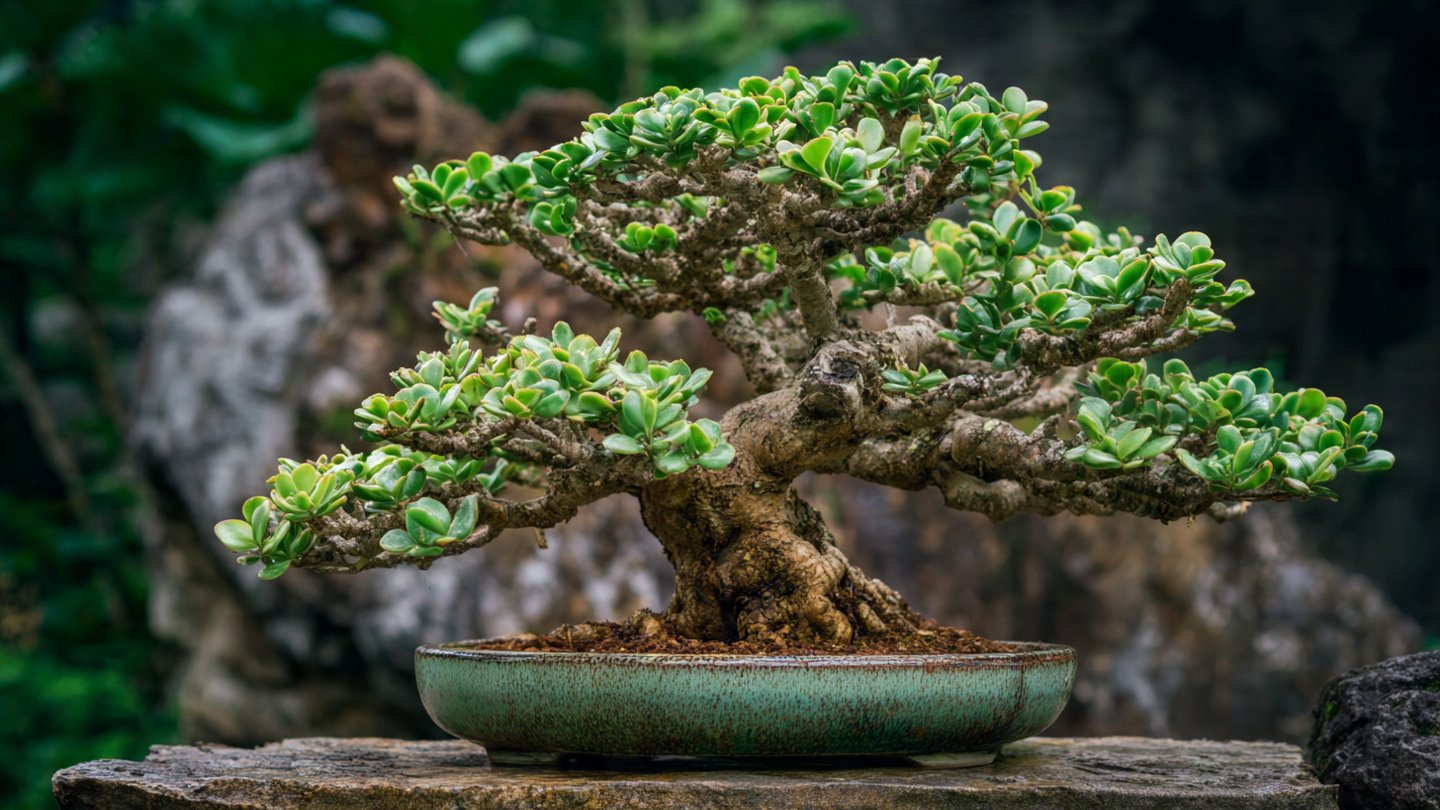
Jade trees (Crassula ovata), also known as money plants or lucky plants, are among the most popular succulent plants for both indoor and outdoor landscaping. Known for their thick, glossy, fleshy leaves and attractive branching structure, jade trees add elegance, charm, and a touch of serenity to any garden or landscape. Easy to care for, drought-tolerant, and visually striking, jade trees are perfect for gardeners who want a low-maintenance yet impactful addition to their surroundings. This simple guide walks you through growing jade trees successfully, from planting to care, pruning, and landscape integration.
Why Choose Jade Trees for Your Landscape?
Jade trees offer several advantages that make them ideal for a stunning landscape transformation:
- Aesthetic Appeal: Their thick, oval leaves and rich green color create a lush, sculptural look. Some varieties have red-tinged leaf edges, adding extra visual interest.
- Easy Care: Jade trees are drought-tolerant, slow-growing, and resilient, making them perfect for low-maintenance landscapes.
- Versatility: Suitable for containers, garden beds, rock gardens, bonsai displays, and even as outdoor accent trees.
- Symbolism and Feng Shui: Often considered symbols of prosperity, wealth, and good luck, jade trees are popular in both indoor and outdoor gardens.
- Longevity: With proper care, jade trees can live for decades, becoming a permanent feature of your landscape.
By adding a few well-placed jade trees, you can instantly elevate your garden’s look, bringing texture, color, and a sense of tranquility.
Step 1: Selecting the Right Jade Tree Variety
Jade trees come in several varieties, each with unique characteristics suited for different landscaping purposes:
- Crassula ovata ‘Hummel’s Sunset’: Features yellow to orange variegated leaves that brighten gardens and containers.
- Crassula ovata ‘Gollum’ (Finger Jade): Distinct tubular leaves, ideal for modern or sculptural landscapes.
- Crassula ovata ‘Hobbit’: Similar to ‘Gollum’ but with curved tubular leaves, adding a whimsical touch.
- Standard Green Jade: Classic round, glossy leaves, versatile for indoor or outdoor planting.
Select a variety based on your garden’s color palette, style, and the visual impact you want to achieve.
Step 2: Choosing the Ideal Site
Jade trees thrive in well-chosen locations with the following conditions:
- Sunlight: Full sun to partial shade is best. Outdoor jade trees perform well with at least 4–6 hours of direct sunlight per day. Indoors, place them near a bright window.
- Soil: Well-draining soil is crucial. Sandy, loamy, or cactus potting mixes work best. Avoid heavy, water-retentive soils that can cause root rot.
- Air Circulation: Good airflow prevents fungal diseases and promotes healthy growth.
Tip: For outdoor landscapes, plant jade trees in areas with partial protection from harsh afternoon sun if you live in extremely hot climates, as leaf scorching can occur.
Step 3: Planting Jade Trees
Jade trees can be grown from nursery-bought plants or cuttings, with both methods producing excellent results.
a) Planting from Nursery-Bought Plants
- Prepare the Soil: Mix garden soil with sand or perlite for drainage.
- Dig a Hole: About twice the width of the root ball.
- Place the Plant: Position the plant at the same depth as it was in the pot.
- Backfill and Water: Fill the hole with soil and water lightly to settle the roots.
b) Propagating from Cuttings
- Select Healthy Stems: Choose a 3–4 inch stem from a healthy jade tree.
- Let It Callus: Allow the cutting to dry in a shaded area for 1–2 days.
- Plant the Cutting: Insert the cut end into well-draining soil.
- Water Sparingly: Lightly water until roots establish in 2–3 weeks.
Propagation via cuttings is easy, cost-effective, and allows you to expand your jade tree collection quickly.
Step 4: Soil Preparation
Proper soil preparation ensures healthy roots and long-term growth:
- Well-Draining Soil: Jade trees dislike soggy roots. Mix sand, perlite, or small gravel with garden soil or succulent potting mix.
- Optional Fertilizer: Incorporate a small amount of slow-release succulent fertilizer to encourage early growth.
- pH Levels: Slightly acidic to neutral soil (pH 6.0–7.0) works best.
Raised beds or containers with drainage holes prevent waterlogging and are ideal for both indoor and outdoor jade trees.
Step 5: Watering Jade Trees
Jade trees are succulents, meaning they store water in their leaves. Overwatering is one of the most common mistakes:
- Water Sparingly: Water deeply but infrequently. Allow the top 2–3 inches of soil to dry out between waterings.
- Seasonal Adjustments: Reduce watering in fall and winter when growth slows.
- Drainage: Ensure containers have drainage holes, and avoid water pooling around roots.
Proper watering promotes strong, healthy growth and prevents root rot.
Step 6: Sunlight and Light Requirements
Sunlight is critical for jade trees to maintain their green color and promote leaf thickening:
- Full Sun: At least 4–6 hours daily encourages compact growth and vibrant leaves.
- Partial Shade: Acceptable in hot climates but may result in slower growth and leggy stems.
- Indoor Lighting: Place near a bright south-facing window or supplement with artificial grow lights if necessary.
Sunlight exposure can also enhance the red or pink edges of some jade tree varieties, adding visual interest.
Step 7: Pruning and Shaping
Pruning is essential for shaping your jade tree and keeping it visually appealing in your landscape:
- Remove Dead or Damaged Leaves: Enhances overall plant health.
- Shape the Canopy: Trim branches to maintain a rounded or tree-like form.
- Encourage Branching: Pinch back growing tips to stimulate lateral branching for a fuller appearance.
- Bonsai Styling: Jade trees are excellent candidates for bonsai techniques, adding artistry to your landscape.
Pruning also keeps jade trees manageable in size, especially when grown in containers.
Step 8: Fertilizing Jade Trees
While jade trees are low-maintenance, occasional feeding promotes growth:
- Spring and Summer: Use a diluted, balanced fertilizer (10-10-10 or cactus/succulent fertilizer) every 4–6 weeks.
- Autumn and Winter: Reduce or skip fertilization as growth slows.
- Avoid Over-Fertilizing: Excess fertilizer encourages weak, leggy growth.
Fertilization, combined with proper sunlight and watering, ensures your jade tree remains vibrant and healthy.
Step 9: Managing Pests and Diseases
Jade trees are hardy but can be affected by a few common pests and issues:
- Mealybugs: White, cotton-like insects; remove with alcohol-soaked cotton or neem oil.
- Spider Mites: Tiny insects that can cause leaf discoloration; treat with insecticidal soap.
- Root Rot: Caused by overwatering or poor drainage; prevent by allowing soil to dry between waterings.
- Leaf Drop: Often a result of sudden temperature changes or overwatering; adjust care accordingly.
Routine monitoring ensures early detection and prevents infestations from spreading.
Step 10: Seasonal Care
- Spring and Summer: Active growth period; ensure sufficient sunlight, occasional feeding, and moderate watering.
- Fall: Reduce watering and slow down fertilization.
- Winter: Protect outdoor jade trees from frost; container plants can be brought indoors.
In frost-prone regions, planting jade trees in containers allows for easy relocation during winter months.
Step 11: Integrating Jade Trees into Landscapes
Jade trees can transform your garden when strategically placed:
- Accent Plants: Use single jade trees as focal points in garden beds or patios.
- Container Gardens: Mix with other succulents or ornamental plants for a textured display.
- Borders and Pathways: Smaller varieties create attractive edges along garden paths.
- Rock Gardens: Their drought tolerance and architectural form make them ideal for arid-themed gardens.
- Indoor Landscaping: Large pots near windows or in sunrooms bring greenery and elegance indoors.
Their versatility allows them to complement modern, traditional, or minimalist garden styles.
Benefits of Growing Jade Trees
- Low Maintenance: Perfect for busy gardeners or beginners.
- Drought-Tolerant: Ideal for water-saving gardens or xeriscaping.
- Aesthetic Value: Adds greenery, structure, and elegance to landscapes.
- Longevity: Can live for decades with minimal care.
- Feng Shui Symbolism: Believed to bring prosperity and positive energy to homes and gardens.
Conclusion
Jade trees are an exceptional choice for transforming your landscape with minimal effort. From selecting the right variety and preparing soil to proper planting, watering, pruning, and pest management, these resilient plants thrive in a range of conditions and bring long-lasting beauty to your garden. Their glossy leaves, architectural form, and low-maintenance nature make them a versatile addition to garden beds, containers, rock gardens, or indoor settings.
By following this simple guide, you can successfully grow jade trees that enhance your outdoor or indoor space, creating a stunning, serene, and visually appealing landscape. With patience and consistent care, your jade trees will flourish for years, offering a vibrant, elegant, and transformative presence from vine to table—or, in this case, from pot to landscape masterpiece.