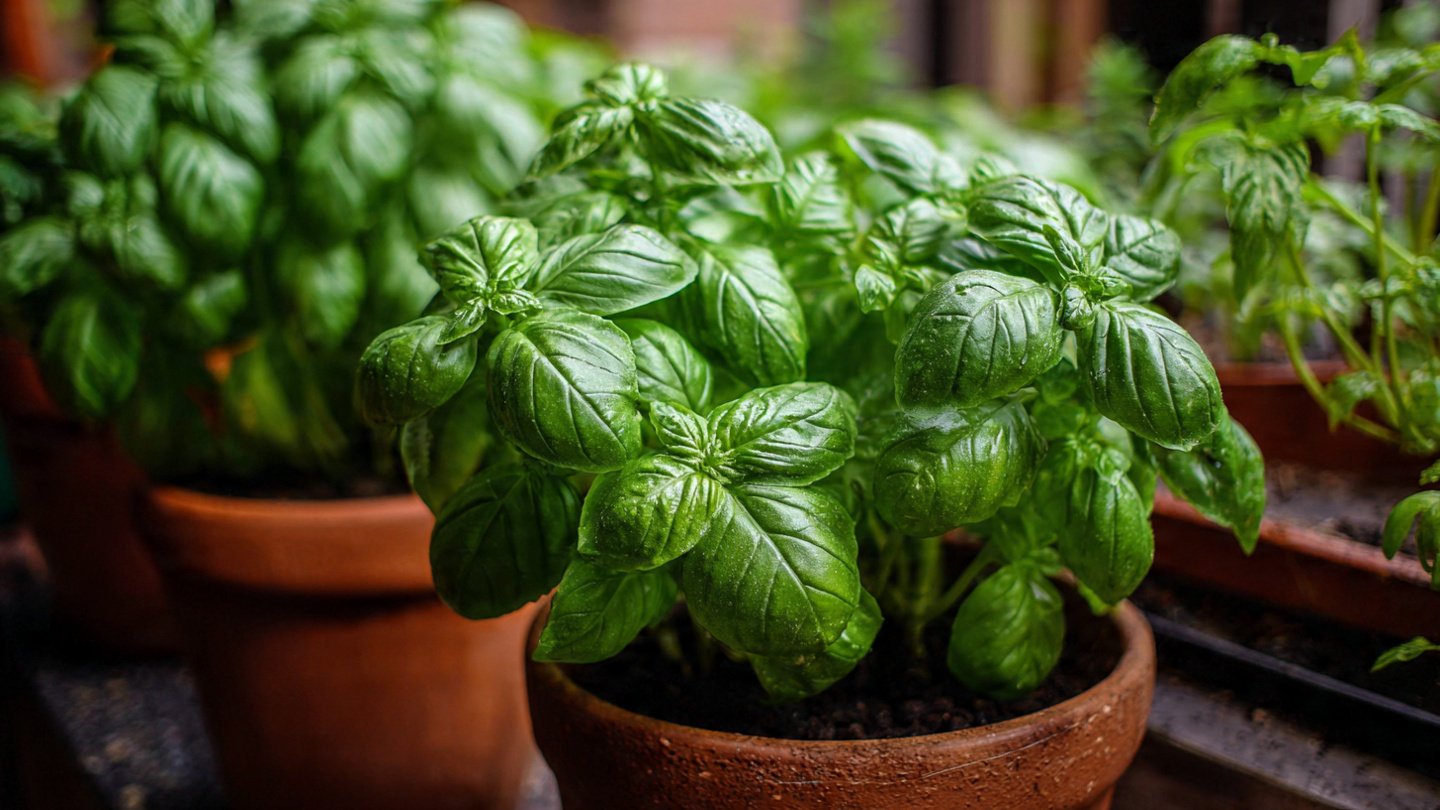
Basil is one of the easiest and most rewarding herbs you can grow at home. Its fresh aroma, vibrant green leaves, and incredible culinary versatility make it a favorite in kitchens around the world. While many people grow basil from seeds, there’s an even simpler and faster method that guarantees success—even for beginners: growing basil from cuttings.
This guide will walk you step by step through the entire process of propagating basil from cuttings at home. Whether you have a single store-bought basil bunch or a healthy plant in your garden, you can multiply your basil supply endlessly with minimal effort.
Why Grow Basil From Cuttings?
Growing basil from cuttings has several advantages over starting from seed:
- Faster results – Cuttings root in days, not weeks
- High success rate – No worries about seed germination
- Exact plant copy – You preserve the flavor and growth habit of the parent plant
- Budget-friendly – One plant can become many for free
If you love cooking with fresh basil and want a steady supply without constantly buying new plants, propagation is the perfect solution.
Best Types of Basil for Cuttings
Most basil varieties root easily from cuttings, including:
- Sweet basil
- Genovese basil
- Thai basil
- Lemon basil
- Holy basil (Tulsi)
Choose a healthy, disease-free plant with strong stems and vibrant leaves for the best results.
What You’ll Need
You don’t need fancy equipment. Basic household items are enough:
- A healthy basil plant or fresh basil stems
- Clean scissors or pruning shears
- A glass or jar
- Clean water
- Small pots (optional, for transplanting)
- Well-draining potting soil
Step-by-Step: How to Grow Basil From Cuttings
1. Select the Right Stem
Choose a basil stem that is:
- 4–6 inches long
- Green and flexible (not woody)
- Free of flowers or buds
Cut just below a leaf node, as roots will emerge from this area.
2. Remove Lower Leaves
Strip off the leaves from the bottom half of the cutting. This prevents leaves from sitting in water, where they can rot. Leave 2–4 healthy leaves at the top.
3. Place Cuttings in Water
Put the cuttings in a glass or jar filled with clean, room-temperature water. Make sure:
- Only the stem is submerged
- Leaves stay above the water line
Place the container near a bright window with indirect sunlight.
4. Change Water Regularly
Change the water every 1–2 days to keep it fresh and oxygenated. This helps prevent bacterial growth and encourages healthy root development.
Within 5–10 days, you’ll see small white roots forming.
5. Wait for Strong Roots
Allow roots to grow until they’re at least 1–2 inches long. Stronger roots mean better survival when transplanted into soil.
This usually takes about 10–14 days.
Transplanting Basil Cuttings Into Soil
Once roots are well developed, it’s time to move your basil into soil.
Choosing the Right Pot
- Use a pot with drainage holes
- Minimum size: 6 inches wide
- Avoid overcrowding—one plant per pot is ideal
Best Soil Mix
Basil prefers:
- Light, well-draining soil
- Rich in organic matter
A simple mix of potting soil + compost works perfectly.
How to Transplant
- Fill the pot with moist soil
- Make a small hole in the center
- Gently place the rooted cutting into the hole
- Cover roots with soil and lightly press
- Water thoroughly
Keep the plant in partial shade for the first 1–2 days to reduce transplant shock.
Caring for Basil Grown From Cuttings
Once established, basil is very low-maintenance.
Light Requirements
- 5–6 hours of sunlight daily
- Bright windowsills or balconies work well
- In very hot climates, provide afternoon shade
Watering Tips
- Keep soil consistently moist, not soggy
- Water when the top inch of soil feels dry
- Avoid overhead watering to prevent leaf disease
Pinching for Bushy Growth
Pinching is essential for healthy basil plants:
- Pinch off the top leaves once the plant is 6 inches tall
- This encourages side branching
- More branches = more leaves
Never let basil flower if you want flavorful leaves. Remove flower buds as soon as they appear.
Growing Basil Indoors vs Outdoors
Indoor Basil
Pros:
- Year-round harvesting
- Protected from pests
Cons:
- Needs good light or grow lights
Place indoor basil near a south-facing window for best results.
Outdoor Basil
Pros:
- Faster growth
- Stronger flavor
Cons:
- Vulnerable to pests and weather
Ideal temperatures range between 20–30°C (68–86°F).
Common Problems and Easy Fixes
Yellowing Leaves
- Cause: Overwatering or poor drainage
- Fix: Improve drainage and reduce watering
Wilting
- Cause: Heat stress or underwatering
- Fix: Water deeply and provide shade during peak sun
Slow Growth
- Cause: Lack of nutrients or light
- Fix: Add compost and move plant to brighter area
Harvesting Basil the Right Way
You can begin harvesting once the plant reaches 8–10 inches tall.
Best harvesting tips:
- Cut above a leaf node
- Never remove more than one-third of the plant at once
- Harvest regularly to encourage new growth
Frequent harvesting actually makes basil plants healthier and more productive.
Can You Grow Basil Cuttings Directly in Soil?
Yes, but water propagation is more beginner-friendly. Soil propagation works best if:
- Soil is consistently moist
- Humidity is high
- Cuttings are shaded initially
Water propagation lets you see root development, reducing guesswork.
How Long Will Basil From Cuttings Last?
With proper care, basil plants grown from cuttings can thrive for 4–6 months or longer. Regular pruning, good sunlight, and nutrient-rich soil can extend their lifespan significantly.
You can even take new cuttings from your propagated plants, creating an endless basil cycle.
Final Thoughts
Growing basil from cuttings is one of the simplest and most satisfying gardening techniques you can try at home. With just a glass of water, a sunny spot, and a little patience, you can turn a single basil stem into a thriving plant that keeps your kitchen stocked with fresh, aromatic leaves.
Whether you’re a beginner gardener, an urban balcony grower, or someone who loves fresh herbs in cooking, basil propagation is a skill worth mastering. Once you try it, you’ll never look at store-bought basil the same way again.
If you’d like, I can also create SEO-friendly