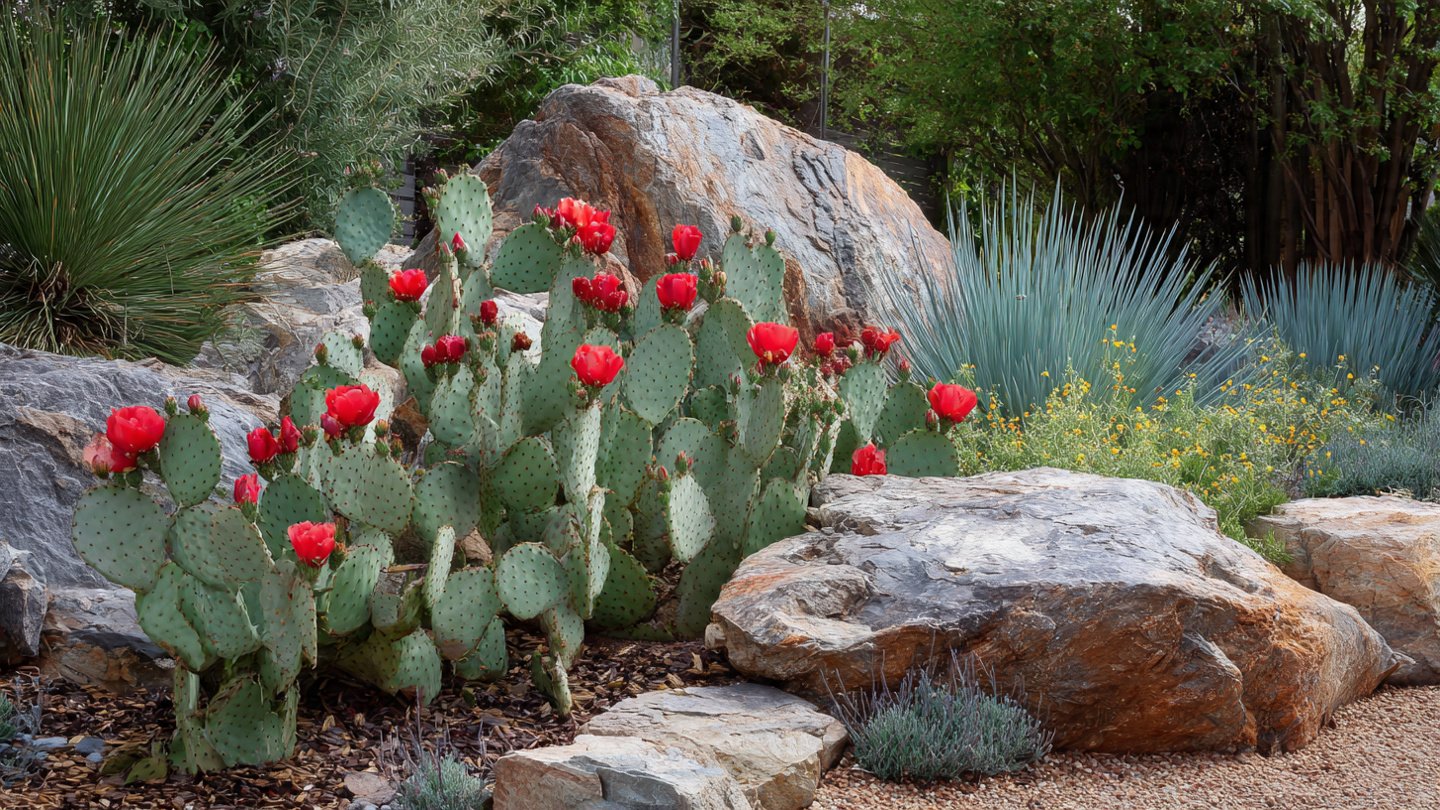
Creating a landscape that is both beautiful and functional is a goal for many homeowners and gardeners. One plant that perfectly combines aesthetics, durability, and practicality is Opuntia, commonly known as the prickly pear cactus. With its distinctive paddle-shaped pads, vibrant flowers, and natural defensive spines, Opuntia makes an excellent living fence or natural barrier.
Unlike traditional fences that require materials, maintenance, and repairs, an Opuntia barrier grows stronger over time with minimal care. It is drought-tolerant, long-lasting, and visually striking, making it a smart choice for sustainable landscaping. This simple guide will walk you through everything you need to know about cultivating Opuntia as an attractive and effective natural barrier.
What Is Opuntia and Why Use It as a Natural Barrier?
Opuntia is a genus of cactus native to the Americas, well adapted to arid and semi-arid climates. It is known for its flat, oval pads (called cladodes), sharp spines, and bright flowers that often develop into edible fruits.
As a natural barrier, Opuntia offers several advantages. Its spines discourage intruders, animals, and unwanted foot traffic. At the same time, its sculptural form and seasonal blooms add visual interest to the landscape. Once established, Opuntia can live for decades, forming a dense, impenetrable hedge that requires very little water or maintenance.
Benefits of Using Opuntia in Landscaping
One of the biggest benefits of Opuntia is its low maintenance nature. Unlike hedges that require frequent trimming and watering, Opuntia thrives on neglect once established.
It is also highly drought-resistant, making it ideal for dry regions or water-conscious gardens. Opuntia helps prevent soil erosion, especially on slopes, and provides shelter for beneficial insects and wildlife.
From an aesthetic perspective, Opuntia offers year-round structure, vibrant flowers in spring and summer, and colorful fruits in many varieties. This combination makes it both functional and ornamental.
Choosing the Right Opuntia Variety
There are many species of Opuntia, and choosing the right one depends on your climate and landscape goals.
Some varieties grow low and wide, while others can reach heights of 6–10 feet, making them ideal for barriers. Common choices include Opuntia ficus-indica, Opuntia stricta, and Opuntia robusta. These varieties are known for their vigorous growth and dense pad formation.
Before planting, check whether the chosen species is suitable for your local climate and whether it is considered invasive in your region.
Selecting the Ideal Location
Opuntia thrives in full sun, requiring at least 6–8 hours of direct sunlight daily. Choose a location along property lines, garden borders, or areas where you want a natural fence or protective barrier.
Good drainage is essential. Opuntia does not tolerate waterlogged soil, so avoid low-lying areas where water collects. If necessary, raised beds or mounds can improve drainage.
Spacing is also important. When planting as a barrier, space plants close enough to form a continuous hedge but far enough apart to allow growth and airflow.
Preparing the Soil
Opuntia prefers well-draining, sandy or rocky soil. Heavy clay soils should be amended with sand, gravel, or perlite to improve drainage.
Avoid rich, overly fertile soil. Excess nutrients can cause weak growth and make the plant more susceptible to rot. A simple soil mix with minimal organic matter works best.
Before planting, clear the area of weeds and loosen the soil to help new roots establish.
How to Plant Opuntia for a Natural Barrier
Opuntia can be planted from pads (cuttings) or nursery-grown plants.
Planting from Pads
Using pads is the most common and cost-effective method. Choose healthy, mature pads and allow them to dry in a shaded area for several days until the cut end forms a callus. This step prevents rot after planting.
Plant the pad upright, burying the base 1–2 inches deep in the soil. Firm the soil gently around it and avoid watering for the first week.
Planting Nursery Plants
Dig a hole slightly wider than the root ball and place the plant at the same depth it was growing in the container. Backfill with soil and lightly firm it in place.
When planting multiple Opuntia for a barrier, align them in a straight or slightly staggered row to create a dense, natural look.
Watering and Early Care
During the first few months, water lightly every 2–3 weeks to help roots establish. Once established, Opuntia requires very little water and can survive long dry periods.
Overwatering is the most common mistake. Always allow the soil to dry out completely between watering. In rainy climates, natural rainfall is usually sufficient.
Mulching with gravel or stones helps retain moisture while preventing rot around the base of the plant.
Encouraging Dense Growth for Barrier Formation
To create an effective barrier, you want Opuntia to grow thick and interconnected. As pads mature, they naturally produce new pads, expanding outward and upward.
You can encourage denser growth by selectively removing or repositioning pads to fill gaps. Over time, the plants will naturally interlock, forming a strong, spiny wall.
Avoid excessive pruning, as Opuntia grows best when left largely undisturbed.
Pruning and Maintenance
Maintenance for Opuntia barriers is minimal. Prune only when necessary to control size or remove damaged pads. Always wear thick gloves and use long-handled tools to avoid spines.
Remove fallen pads promptly to prevent unwanted spreading. In colder climates, damaged pads from frost can be trimmed back in spring.
Other than occasional pruning, Opuntia requires very little ongoing care.
Dealing with Pests and Diseases
Opuntia is generally resistant to pests and diseases. However, it can occasionally be affected by cochineal insects, which appear as white, cottony clusters on pads.
These can be controlled with a strong spray of water or mild insecticidal soap. Root rot is the most serious disease risk and is almost always caused by overwatering or poor drainage.
Maintaining dry conditions is the best prevention.
Safety Considerations
While Opuntia makes an excellent natural barrier, its spines can be hazardous if placed too close to walkways or play areas. Plan placement carefully, especially in households with children or pets.
Some varieties have fewer spines and may be safer for decorative areas, while heavily spined types are better suited for perimeter fencing.
Environmental and Sustainable Benefits
Using Opuntia as a natural barrier supports sustainable landscaping. It reduces the need for manufactured fencing materials, conserves water, and provides habitat for wildlife.
In some regions, Opuntia fruits and pads are edible, adding an extra layer of usefulness to the plant. Even if not harvested, the flowers attract pollinators and enhance biodiversity.
Conclusion
Cultivating Opuntia as an attractive natural barrier is a smart, sustainable choice for modern landscapes. With its striking appearance, minimal care requirements, and natural defensive qualities, Opuntia offers a long-lasting alternative to traditional fences and hedges.
By selecting the right variety, preparing well-drained soil, and allowing the plants to grow naturally, you can create a living barrier that enhances both security and beauty. Over time, your Opuntia hedge will become a defining feature of your landscape—resilient, functional, and effortlessly beautiful.