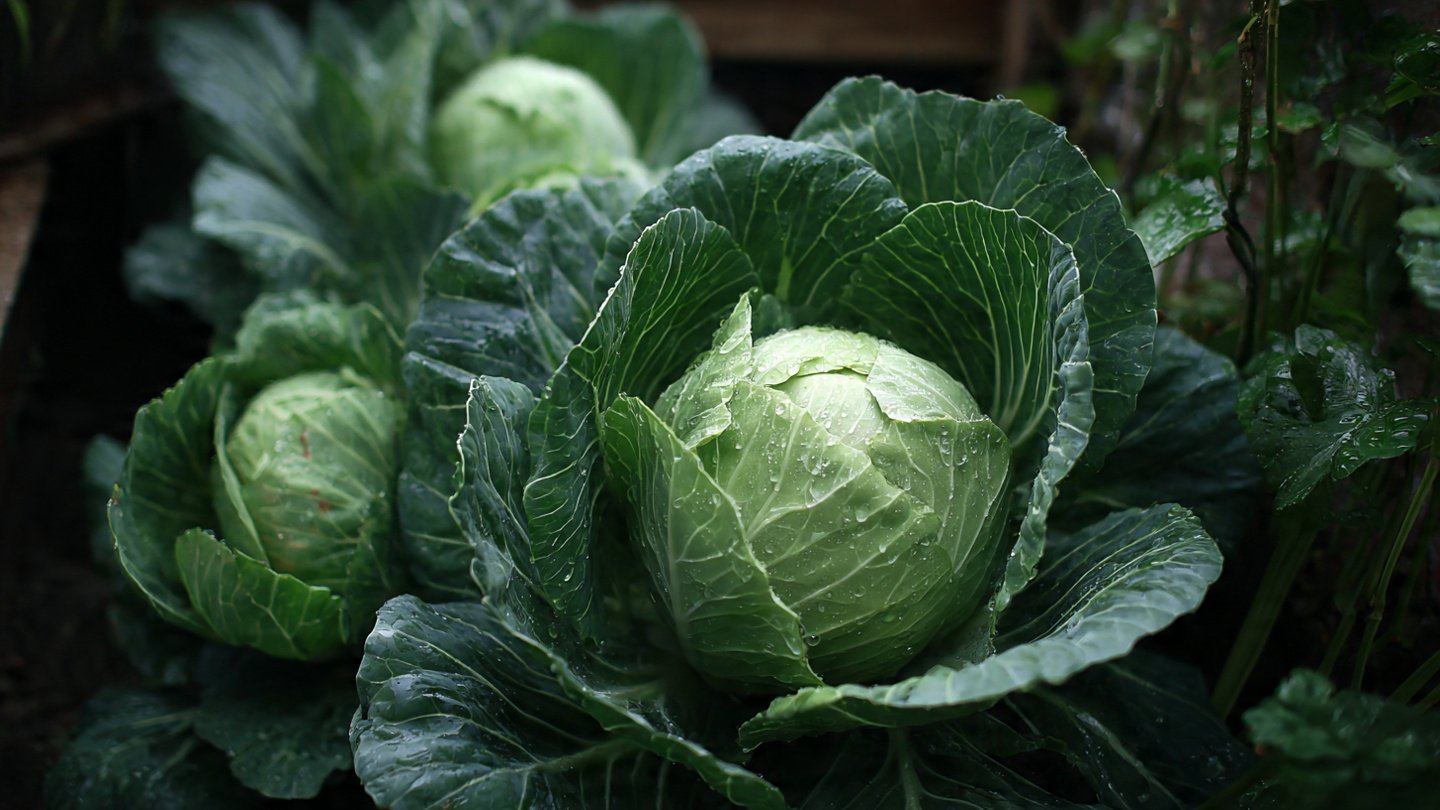
Growing large, healthy cabbage heads doesn’t have to be complicated or require a vast garden. With a little creativity and some recycled materials, you can turn everyday plastic bottles into productive mini-gardens. I recently discovered a simple bottle gardening hack that not only maximizes space but also produces impressive, juicy cabbage heads right at home. Here’s a complete guide to growing big cabbage heads using this ingenious method.
Why Bottle Gardening Works
Bottle gardening is part of the larger concept of container gardening, where plants are grown in small, portable containers instead of traditional garden beds. Using bottles comes with several advantages:
- Space-saving: Perfect for balconies, patios, or small yards.
- Recycling: Helps reduce plastic waste by giving bottles a second life.
- Soil control: You can tailor the soil mix for optimal cabbage growth.
- Water efficiency: Bottles retain moisture effectively, reducing the frequency of watering.
- Mobility: Bottles are lightweight and easy to move to sunny spots or shelter from harsh weather.
For cabbage, which requires consistent moisture and fertile soil to produce large heads, this method is particularly effective.
Materials You’ll Need
To set up your bottle cabbage garden, you don’t need fancy tools or expensive materials. Here’s what I used:
- Large plastic bottles (2-liter soda bottles work perfectly)
- Sharp scissors or a utility knife
- Potting soil (rich in organic matter)
- Compost or well-rotted manure
- Sand or perlite for drainage
- Seeds or seedlings of cabbage
- String or wire for hanging (optional)
- Watering can
The beauty of this setup is its simplicity. You can start with items already available at home and still achieve great results.
Preparing the Bottles for Planting
Step one is turning your bottles into functional mini-planters:
- Clean the bottles thoroughly to remove residues.
- Cut the bottle horizontally about two-thirds of the way from the bottom. The bottom portion will hold the soil and plant.
- Create drainage holes in the bottom. This prevents waterlogging, which is crucial for cabbage roots.
- Optionally, you can invert the top portion as a mini-greenhouse by placing it over the young seedling. This keeps moisture and warmth consistent.
- If you’re short on space, you can punch holes in the sides of the bottle and hang them vertically for a clever vertical garden.
This simple preparation turns waste bottles into sturdy containers perfect for cabbage cultivation.
Choosing the Right Cabbage Varieties
Cabbage comes in many varieties, and not all are suitable for container gardening. For big cabbage heads, I focused on:
- Green cabbage (classic, fast-growing, and high yield)
- Savoy cabbage (textured leaves, compact growth)
- Red cabbage (dense and colorful, visually appealing)
When selecting seeds, look for compact varieties or those labeled suitable for containers, as they adapt better to limited root space.
Soil Mix for Big Cabbage Heads
Cabbage is a heavy feeder. It needs nutrient-rich soil to develop large, dense heads. My soil mix included:
- 50% good-quality potting soil
- 30% compost or well-rotted manure
- 20% perlite or sand for drainage
Optional: I added a slow-release fertilizer to boost nitrogen, which supports leafy growth. Cabbage thrives with fertile soil and consistent nutrients.
Planting Cabbage in Bottles
Once the bottles are ready and soil is mixed, it’s time to plant:
- Fill the bottom portion of the bottle with the prepared soil.
- Plant seeds or seedlings 2–3 cm deep for seeds or plant seedlings at the same depth as they were in their nursery tray.
- Gently water to settle the soil around the roots.
- Cover seedlings with the inverted top portion of the bottle for protection if needed.
Spacing is important. If planting multiple bottles, leave at least 12–15 inches between each to allow air circulation and sunlight exposure.
Watering and Fertilizing
Cabbage heads need consistent moisture to grow big and healthy. Here’s my routine:
- Water regularly: Bottle containers dry out faster than garden soil. I check the moisture daily and water when the top inch feels dry.
- Avoid overwatering: Drainage holes prevent root rot, but excess water can still harm growth.
- Feed every 2–3 weeks: I used a diluted liquid fertilizer high in nitrogen for leafy growth. As the heads start forming, switching to a phosphorus-rich fertilizer supports head development.
Tip: Adding mulch on top of the soil helps retain moisture and prevents soil from drying out in hot weather.
Sunlight and Location
Cabbage requires 6–8 hours of sunlight daily. For bottle gardens:
- Place them on a balcony, windowsill, or rooftop with full sun exposure.
- If sunlight is limited, consider rotating the bottles every few days to ensure even growth.
- During extreme heat, partially shading bottles prevents leaf burn.
Vertical placement or hanging bottles near sunny walls can maximize light exposure while saving floor space.
Pests and Disease Management
Even in containers, cabbage can attract pests like cabbage worms, aphids, and slugs. Here’s how I managed them:
- Regular inspection: I check leaves for holes or pests at least twice a week.
- Handpicking: Small infestations can be removed manually.
- Organic sprays: Neem oil or soapy water can control aphids effectively.
- Companion planting: Planting herbs like dill or mint nearby helps deter pests naturally.
Proper spacing and good airflow reduce the risk of fungal infections, which is particularly important in small container setups.
Harvesting Big Cabbage Heads
The moment of truth is harvesting. Here’s how to get the biggest heads:
- Wait until the cabbage head feels dense and firm.
- Cut the head at the base using a sharp knife, leaving the outer leaves and roots in the bottle.
- Often, leaving the roots allows a second smaller head to grow, extending your harvest.
With the bottle garden setup, harvesting is easier because the heads are elevated and visible, and the clean environment keeps them free from soil pests.
Benefits of Bottle Gardening
This method provides many advantages beyond space-saving:
- Eco-friendly: Reduces plastic waste.
- Accessible gardening: Even people in apartments with small balconies can grow vegetables.
- Cost-effective: No need for expensive pots or garden beds.
- Encourages healthy eating: Fresh, homegrown cabbage is more nutritious and flavorful than store-bought options.
- Fun and educational: Great for teaching children about gardening, sustainability, and plant growth.
Tips for Maximizing Growth
To grow bigger, juicier cabbage heads, I implemented a few simple hacks:
- Consistent watering: Bottle containers dry quickly, so maintaining moisture is crucial.
- Pruning outer leaves: Helps the plant focus energy on the main head.
- Rotate bottles: Ensures even sunlight exposure.
- Feed regularly: Nutrients in containers deplete faster than garden soil.
- Temperature management: Cabbage prefers cooler temperatures, so in hot climates, partial shade during peak sun helps growth.
Real-Life Results
Using this simple bottle gardening hack, I managed to grow cabbage heads weighing up to 2–3 kg each, with minimal space and effort. My small balcony, which previously had only potted flowers, became a productive vegetable garden. Neighbors were amazed at the size and quality of the cabbages, and I was thrilled knowing they were homegrown, chemical-free, and fresh.
Conclusion
Bottle gardening is a simple, affordable, and sustainable way to grow big cabbage heads anywhere. With recycled bottles, rich soil, and a bit of care, you can turn even the smallest space into a productive vegetable garden. This method not only maximizes space and saves money but also helps reduce plastic waste and promotes healthier eating habits.
Whether you’re a seasoned gardener or a beginner, this technique makes it easy to grow juicy, firm cabbage heads without the need for a traditional garden. All it takes is a few bottles, the right soil mix, consistent care, and patience.
Start your bottle garden today and enjoy the satisfaction of harvesting fresh, homegrown cabbage from your own balcony or patio. With this simple hack, you can truly grow big results in small spaces.