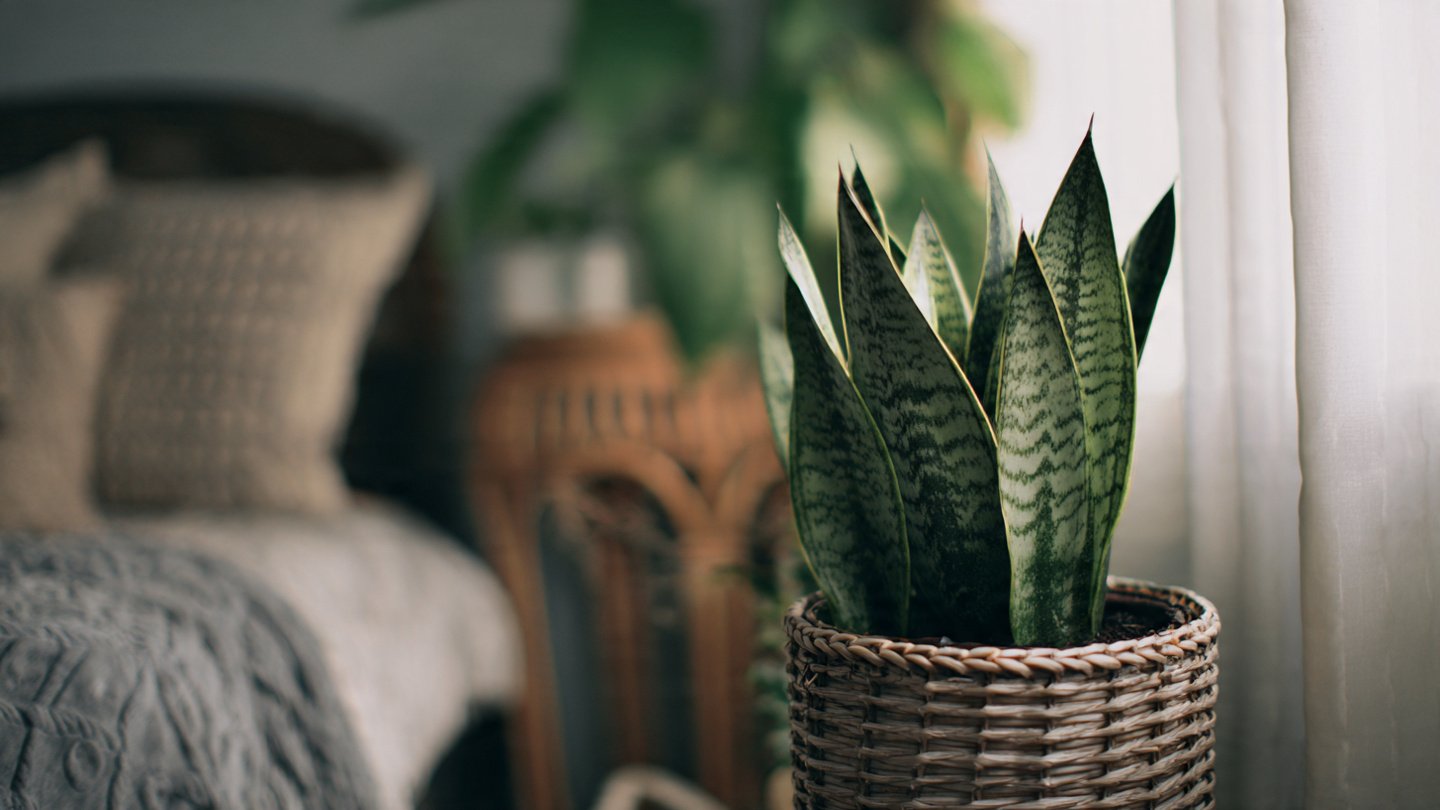
Houseplants have become an essential part of modern home décor, offering beauty, freshness, and a connection to nature right inside our living spaces. Among the countless indoor plants available, Sansevieria, commonly known as Snake Plant or Mother-in-Law’s Tongue, stands out as one of the most stylish, versatile, and low-maintenance options for every home. Its sleek, upright leaves and striking patterns make it a favorite among plant enthusiasts, interior designers, and beginners alike.
In this guide, we’ll explore why Sansevieria is the perfect houseplant for everyone, how to care for it, and how it can enhance your home aesthetically and functionally.
What Is Sansevieria?
Sansevieria is a genus of succulent plants native to West Africa. They are characterized by long, upright, sword-shaped leaves that often have unique variegated patterns. These leaves can range in color from deep green to pale green, yellow, or even silvery hues. Some popular varieties include:
- Sansevieria trifasciata: The classic Snake Plant with tall, dark green leaves edged in yellow.
- Sansevieria cylindrica: Features cylindrical, spear-like leaves, offering a modern, sculptural look.
- Sansevieria laurentii: A variation with broad leaves and yellow margins, perfect for bold accents.
- Sansevieria hahnii: A compact, rosette-style variety ideal for desktops or small spaces.
Sansevieria’s structural beauty and diversity make it a stylish addition to any home environment.
Why Sansevieria Is Ideal for Everyone
1. Extremely Low Maintenance
One of the biggest advantages of Sansevieria is its low-maintenance nature. Unlike many houseplants that require frequent watering and constant attention, Snake Plants can thrive with minimal care. They are drought-tolerant and can survive periods of neglect, making them perfect for beginners, busy professionals, or anyone who occasionally forgets to water their plants.
2. Adaptable to Different Lighting Conditions
Sansevieria is highly adaptable and can grow in a range of lighting conditions. Whether placed in bright sunlight, partial shade, or low-light areas, it continues to thrive. While it grows faster in bright indirect light, even dim corners of your home can host a healthy Snake Plant, making it versatile for any room layout.
3. Air-Purifying Qualities
Beyond aesthetics, Sansevieria offers tangible health benefits. NASA’s studies have shown that Snake Plants can filter indoor air pollutants, such as formaldehyde, benzene, and xylene. They also release oxygen at night, unlike most plants, which makes them ideal for bedrooms. By improving air quality, Sansevieria contributes to a healthier and more refreshing indoor environment.
4. Stylish and Modern Appearance
Sansevieria’s upright, architectural leaves give it a sleek and contemporary look. Its sculptural form complements modern, minimalist, and traditional décor alike. Whether placed on the floor in a decorative pot or used as a tabletop accent, it adds visual interest and sophistication to any space.
How to Care for Sansevieria
While Sansevieria is forgiving, proper care ensures it stays healthy and vibrant. Here’s a detailed breakdown of care requirements:
Light
- Bright Indirect Light: Ideal for optimal growth and vivid leaf patterns.
- Low Light: Can survive but may grow slower or have muted colors.
- Direct Sunlight: Short periods of morning sun are fine, but intense afternoon sunlight can scorch leaves.
Watering
- Infrequent Watering: Water only when the soil is completely dry. Overwatering is the most common cause of problems.
- Winter Care: Reduce watering in colder months as the plant’s growth slows.
- Check Moisture: Stick your finger 1–2 inches into the soil to check dryness before watering.
Soil
- Well-Draining Mix: Use cactus or succulent soil mix to prevent root rot.
- Optional Amendments: Add perlite or sand to improve drainage further.
Temperature and Humidity
- Ideal Temperature: Between 18–27°C (65–80°F).
- Tolerance: Can survive cooler temperatures down to 10°C (50°F), but prolonged cold may damage leaves.
- Humidity: Average indoor humidity is sufficient. Sansevieria does not require high humidity and is tolerant of dry air.
Fertilization
- Frequency: Feed every 2–3 months during the growing season (spring and summer).
- Type: Use a balanced, diluted liquid fertilizer or a slow-release fertilizer suitable for succulents.
- Avoid Overfeeding: Excess fertilizer can damage roots or cause yellowing of leaves.
Propagating Sansevieria
Sansevieria is easy to propagate, allowing you to expand your indoor garden effortlessly. There are two common methods:
1. Leaf Cuttings
- Cut a healthy leaf into 3–4 inch sections.
- Let the cuttings dry for a day or two to callus over.
- Insert the cuttings into moist soil, upright or lying flat.
- Roots will form in 4–6 weeks, and new shoots will emerge.
2. Division
- Remove the plant from its pot and gently separate clusters of leaves with attached roots.
- Replant each cluster into individual pots with well-draining soil.
Propagation is an inexpensive way to create new plants for your home or share with friends and family.
Common Problems and How to Solve Them
While Sansevieria is resilient, occasional issues may arise:
- Yellowing Leaves: Usually caused by overwatering. Reduce watering frequency and check soil drainage.
- Soft or Mushy Leaves: Indication of root rot. Remove affected leaves and repot the plant in fresh, dry soil.
- Pests: Spider mites or mealybugs can appear occasionally. Wipe leaves with a damp cloth or use neem oil spray.
- Leggy Growth: May occur if the plant isn’t getting enough light. Move it to a brighter location.
Being observant and taking quick action ensures a thriving plant year-round.
Stylish Ways to Display Sansevieria
Sansevieria is not only functional but also a design element. Here are some stylish ideas:
- Floor Display: Place tall varieties like Sansevieria trifasciata in large, decorative pots for a statement piece in living rooms or entryways.
- Desk Companion: Compact varieties like Sansevieria hahnii are perfect for desks or countertops.
- Vertical Arrangements: Use multiple small pots on shelves for a layered, modern look.
- Planter Combinations: Mix Sansevieria with other succulents or indoor plants in a wide container for a lush, curated display.
- Minimalist Touch: A single Snake Plant in a sleek pot adds elegance without overwhelming a space.
Its adaptability to various display methods makes it suitable for any interior style.
Benefits Beyond Style
Sansevieria offers benefits that go beyond aesthetics:
- Mental Wellbeing: Caring for plants reduces stress, improves mood, and fosters mindfulness.
- Air Quality: Filters toxins and produces oxygen, improving overall indoor air quality.
- Durability: Can survive neglect, making it ideal for busy households or first-time plant owners.
- Low Cost: Propagation allows you to create new plants inexpensively, making it accessible to everyone.
These qualities make Sansevieria a practical, health-enhancing, and stylish choice for indoor gardening.
Final Thoughts
Sansevieria is more than just a decorative plant; it’s a versatile, resilient, and beneficial houseplant that fits seamlessly into modern living spaces. Its elegant appearance, easy care requirements, and air-purifying properties make it suitable for beginners, busy professionals, and plant enthusiasts alike.
Whether you’re looking to brighten a dim corner, add a modern touch to your living room, or enjoy the mental and physical benefits of indoor gardening, Sansevieria is the perfect choice. With minimal effort, it rewards you with a year-round source of greenery, beauty, and improved air quality.
From compact desktops to towering floor arrangements, Sansevieria proves that style, simplicity, and functionality can coexist in a single plant. It truly is a houseplant for everyone—bringing nature, elegance, and wellness into your home.