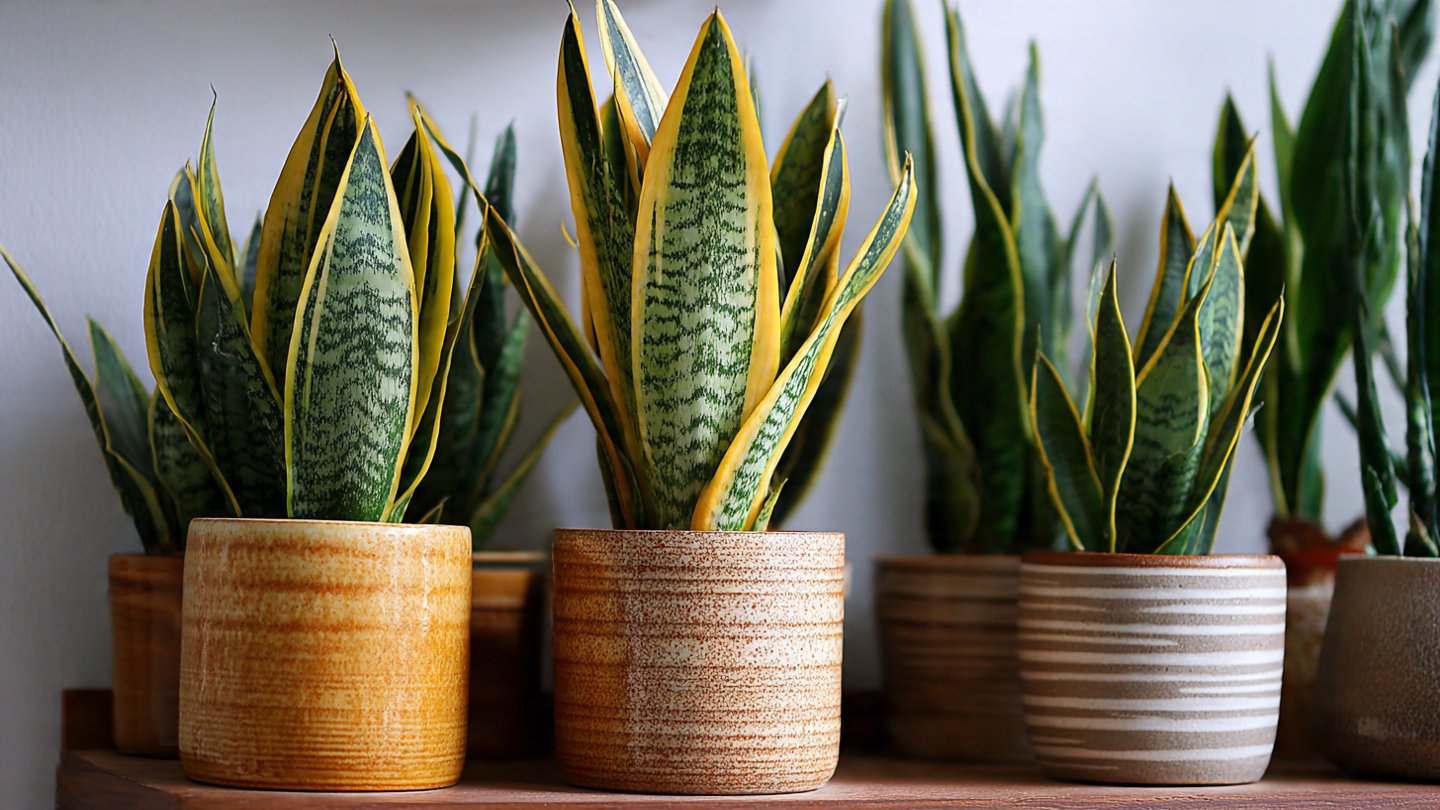
Sansevieria, commonly known as snake plant or mother-in-law’s tongue, is one of the most admired and resilient houseplants in the world. Loved for its bold, upright leaves and nearly indestructible nature, Sansevieria has earned a reputation as the perfect plant for beginners and busy households. But beyond its striking appearance and low-maintenance care, this plant hides fascinating botanical secrets—including its powerful ability to purify indoor air.
In this article, we explore everything you need to know about Sansevieria: its origins, unique biological traits, air-purifying benefits, proper care techniques, and the science that makes it one of the healthiest plants you can bring into your home.
Understanding Sansevieria: A Botanical Overview
Sansevieria belongs to the Asparagaceae family and is now botanically classified under the Dracaena genus. Native to Africa, Madagascar, and southern Asia, these plants evolved to survive harsh, dry environments, which explains their exceptional toughness indoors.
Key Characteristics
- Thick, sword-like leaves that grow upright
- Waxy leaf coating that reduces water loss
- Rhizome-based root system
- Slow but steady growth
- Long lifespan, often lasting decades
Sansevieria plants come in dozens of varieties, ranging from tall, architectural forms to compact rosettes suitable for desks and shelves.
The Air-Purifying Reputation of Sansevieria
Sansevieria gained worldwide attention after being included in NASA’s Clean Air Study, which examined plants that could remove toxins from indoor environments.
Pollutants Sansevieria Can Absorb
- Formaldehyde
- Benzene
- Toluene
- Xylene
- Trichloroethylene
These pollutants are commonly released by furniture, paints, cleaning products, and synthetic materials. Sansevieria absorbs them through its leaves and roots, helping improve indoor air quality naturally.
A Rare Plant That Works at Night
One of Sansevieria’s most remarkable botanical secrets is its CAM (Crassulacean Acid Metabolism) photosynthesis process.
Unlike most plants that release oxygen during the day, Sansevieria:
- Absorbs carbon dioxide at night
- Releases oxygen while you sleep
- Keeps stomata closed during the day to conserve moisture
This makes it one of the best plants for bedrooms, as it contributes to fresher nighttime air.
Why Sansevieria Is Ideal for Modern Homes
Sansevieria fits perfectly into contemporary lifestyles because it thrives on minimal attention.
Ideal For:
- Apartments and small homes
- Offices and workspaces
- Low-light environments
- Busy schedules
- Beginner plant owners
It tolerates neglect better than most houseplants, making it almost impossible to kill when basic care rules are followed.
Light Requirements: Flexible and Forgiving
Sansevieria adapts to a wide range of lighting conditions.
Best Light Conditions
- Bright, indirect light for optimal growth
- Tolerates low light surprisingly well
- Can survive some direct sunlight
While low light slows growth, it does not harm the plant. Variegated varieties show better coloration in brighter conditions.
Watering Secrets: Less Is Always More
Overwatering is the most common cause of Sansevieria failure.
Proper Watering Guidelines
- Water only when soil is completely dry
- Reduce watering during winter
- Ensure pots have drainage holes
- Never let roots sit in water
Sansevieria stores moisture in its leaves and rhizomes, allowing it to survive long dry periods without stress.
Soil and Potting Essentials
Well-draining soil is critical for healthy Sansevieria.
Ideal Soil Mix
- Cactus or succulent potting mix
- Added perlite or coarse sand for drainage
Pot Selection
- Use pots with drainage holes
- Terracotta pots help wick away excess moisture
- Avoid oversized containers
Repotting is rarely needed—usually every 2–3 years or when roots outgrow the pot.
Temperature and Humidity Preferences
Sansevieria prefers indoor temperatures that are comfortable for humans.
Optimal Conditions
- Temperature range: 15–30°C (60–85°F)
- Avoid prolonged exposure below 10°C (50°F)
- Thrives in average household humidity
This adaptability makes it suitable for homes in various climates.
Feeding and Fertilization
Sansevieria is a light feeder and does not require frequent fertilization.
Feeding Tips
- Fertilize once or twice during spring and summer
- Use diluted succulent or balanced fertilizer
- Avoid fertilizing during winter
Over-fertilizing can cause weak, floppy leaves and salt buildup in the soil.
Growth Habits and Longevity
Sansevieria grows slowly but steadily, forming clumps over time through underground rhizomes.
- New shoots emerge beside the parent plant
- Mature plants can reach impressive heights
- Some varieties flower under ideal conditions
With proper care, Sansevieria can live 20–30 years or more, becoming a long-term companion in your home.
Propagation: Multiplying Your Air-Purifying Plants
Sansevieria is one of the easiest plants to propagate.
Common Propagation Methods
- Division of rhizomes (best for maintaining variegation)
- Leaf cuttings in soil or water
Propagation allows you to expand your plant collection or share plants with friends at no cost.
Common Problems and Easy Solutions
Sansevieria is resistant to most pests and diseases, but occasional issues may arise.
Common Issues
- Yellow leaves: Overwatering
- Soft or mushy base: Root rot
- Wrinkled leaves: Severe underwatering
Pests
- Mealybugs
- Spider mites
These can be managed easily with neem oil or insecticidal soap.
Symbolism and Cultural Significance
Sansevieria is more than just a houseplant—it carries symbolic meaning in many cultures.
- Represents resilience and strength
- Considered a protective plant in feng shui
- Often placed near entrances to ward off negative energy
Its upright growth is associated with positive energy flow and stability.
Styling Sansevieria in Your Home
Thanks to its sculptural form, Sansevieria fits effortlessly into various décor styles.
Placement Ideas
- Floor planters in living rooms
- Desk plants for offices
- Bedroom corners for air purification
- Minimalist interiors and modern spaces
Its clean lines complement both traditional and contemporary designs.
Final Thoughts
Sansevieria is truly a plant of secrets—a silent purifier, a nighttime oxygen producer, and a resilient survivor that thrives where many plants fail. Its ability to cleanse indoor air, tolerate neglect, and enhance interior aesthetics makes it one of the most valuable houseplants you can own.
By understanding its botanical traits and following simple care principles—minimal watering, well-draining soil, and appropriate light—you can enjoy a healthy, beautiful Sansevieria for decades. Whether you are a seasoned plant enthusiast or just starting your indoor gardening journey, Sansevieria proves that sometimes the most powerful plants are also the simplest.
Bringing a Sansevieria into your home is not just a decorative choice—it’s an investment in cleaner air, calmer spaces, and effortless greenery.