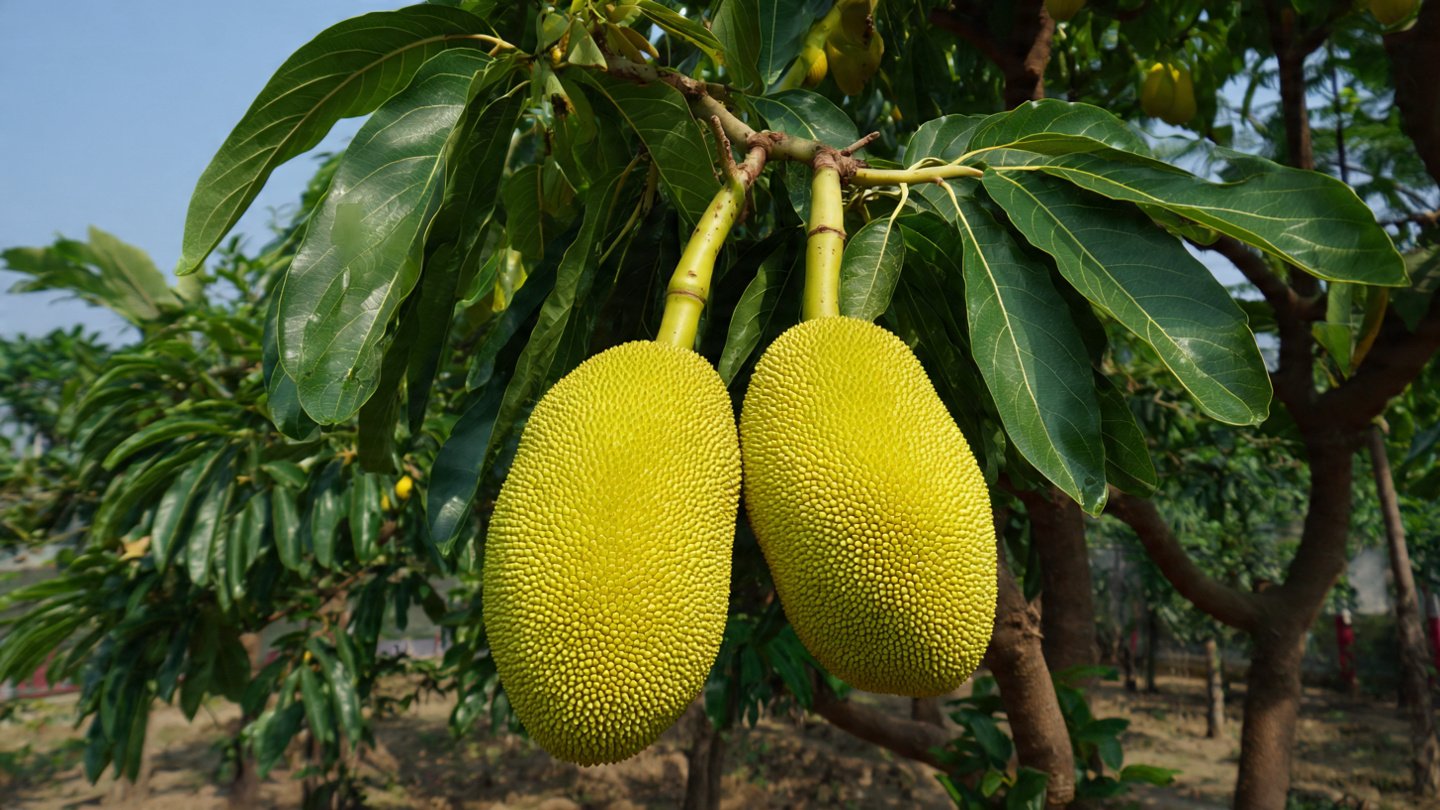
Jackfruit, known as the “king of fruits,” is one of the most valuable tropical trees. Its enormous fruits, rich in nutrients, fiber, and natural sweetness, are loved worldwide. However, cultivating jackfruit trees has traditionally been a slow process, often taking years for the trees to bear fruit. With the advancement of horticultural techniques, a revolutionary propagation method is now helping gardeners and farmers grow jackfruit trees faster and with higher yields. This guide explores this innovative approach, providing step-by-step instructions to maximize growth and productivity.
1. Understanding Jackfruit and Its Traditional Propagation Methods
Jackfruit (Artocarpus heterophyllus) is a large tropical tree that can grow up to 80 feet tall. Its fruits are not only delicious but also highly nutritious, containing vitamins A and C, potassium, and dietary fiber. Traditionally, jackfruit trees have been propagated in two ways:
- Seed Propagation: Planting seeds from mature fruits. While simple, this method is slow, with trees often taking 3–5 years or more to bear fruit. Trees grown from seeds may also vary in fruit quality.
- Grafting: Attaching a branch or bud from a desired variety onto a rootstock. Grafting is faster than seeds and ensures fruit quality but requires skill, careful maintenance, and sometimes has lower survival rates.
While these methods work, they can be time-consuming and unpredictable. This has led to the development of a revolutionary new method that combines efficiency, reliability, and higher productivity.
2. The New Idea: Branch Propagation (Cutting Method)
The revolutionary method focuses on branch propagation, also known as cutting propagation, which allows gardeners to clone mature jackfruit trees for faster growth and higher yields. Unlike seed propagation, cuttings produce trees identical to the parent plant, preserving desirable traits such as fruit size, sweetness, and disease resistance.
Why This Method is Revolutionary:
- Faster Growth: Cuttings establish roots quickly, reducing the time to fruiting by up to 1–2 years compared to seedlings.
- Higher Yield: Trees propagated from mature branches inherit the parent tree’s fruiting characteristics, ensuring quality and quantity.
- Ease of Multiplication: A single healthy branch can produce multiple new trees, expanding orchards efficiently.
- Cost-Effective: Reduces the need to purchase expensive saplings or seeds.
This method is particularly valuable for home gardeners, small-scale farmers, and even commercial orchards looking to increase productivity.
3. Selecting the Right Branch
The success of branch propagation depends heavily on choosing the right cutting. Here’s what to look for:
- Healthy Parent Tree: Select a mature jackfruit tree that has consistently produced large, healthy fruits.
- Semi-Hardwood Branches: Branches should be semi-hardwood, meaning they are partially mature—firm but not fully woody.
- Length and Nodes: Cuttings should be 8–12 inches long with 3–5 nodes. Nodes are points on the branch where leaves or buds grow and are critical for root development.
- Disease-Free: Avoid branches with signs of pests, rot, or disease.
Using a robust, healthy branch ensures high survival rates and vigorous growth for the new tree.
4. Preparing the Cutting
Once you have the branch, proper preparation increases the chances of successful rooting:
- Pruning Leaves: Remove leaves from the bottom 2–3 inches of the cutting to prevent rotting and reduce water loss. Keep a few leaves at the top to support photosynthesis.
- Rooting Hormone: Dip the cut end in a rooting hormone powder or gel. This stimulates root formation and improves survival rates.
- Clean Tools: Always use sharp, sterilized pruning shears to prevent infections.
Prepared cuttings are more likely to establish strong roots and develop into healthy, fruit-bearing trees.
5. Choosing a Propagation Medium
Cuttings need a supportive environment to develop roots. There are two effective methods:
A. Soil Propagation
- Pot Selection: Use a small pot or container with good drainage holes.
- Soil Mix: A mix of sand, perlite, and organic compost provides both aeration and nutrients.
- Planting: Insert the cutting 2–3 inches into the soil, ensuring at least one node is below the surface.
- Watering: Keep the soil moist but not waterlogged. Overwatering can lead to rotting.
B. Water Propagation
- Container: Use a glass or plastic jar with clean water.
- Submerge the Cutting: Only the bottom portion of the branch should touch water, leaving leaves exposed.
- Water Change: Replace water every 2–3 days to prevent bacterial growth.
- Observation: Roots will appear in 3–5 weeks. Once roots are strong, transfer the cutting to soil.
Both methods are effective, though soil propagation is preferred for faster acclimatization to garden conditions.
6. Providing the Right Conditions
Jackfruit cuttings require optimal care for successful rooting:
- Sunlight: Place cuttings in bright, indirect sunlight. Avoid direct harsh sun that may dry them out.
- Temperature: Maintain a warm environment around 25–30°C (77–86°F). Warmth accelerates root growth.
- Humidity: High humidity supports root development. Use plastic domes or bags to retain moisture, especially in dry climates.
Consistent conditions ensure your cuttings develop strong roots and healthy shoots.
7. Monitoring Growth
Patience is key when propagating jackfruit trees. Keep an eye on your cuttings for signs of growth:
- Root Development: In soil, gently tug the cutting after 3–4 weeks. Resistance indicates root growth. In water, visible roots should be at least 2–3 inches long before transplanting.
- Leaf Growth: New leaves indicate that the cutting is successfully photosynthesizing and thriving.
- Health Checks: Look for yellowing leaves, mold, or rot. Adjust watering and humidity if needed.
Early observation and intervention help prevent failure and promote healthy establishment.
8. Transplanting to Garden or Larger Pots
Once the cutting has developed a strong root system, it’s ready for transplanting:
- Timing: Wait until roots are at least 2–3 inches long and new leaves are visible.
- Soil Preparation: Prepare nutrient-rich, well-draining soil. Mix compost and organic fertilizer into garden beds or larger pots.
- Planting Depth: Bury the cutting carefully, ensuring it remains upright and stable.
- Watering: Water thoroughly after transplanting to reduce transplant shock.
Proper transplantation supports vigorous growth and prepares the tree for fruit production.
9. Ongoing Care for Young Jackfruit Trees
Once established, young jackfruit trees require attention to thrive and bear high yields:
- Watering: Keep soil consistently moist, especially during dry periods. Avoid waterlogging.
- Fertilization: Apply balanced fertilizers with nitrogen, phosphorus, and potassium every 6–8 weeks during the growing season.
- Pruning: Remove weak or dead branches and shape the canopy to encourage healthy fruit development.
- Pest Management: Monitor for pests like fruit flies, mealybugs, and aphids. Use organic solutions such as neem oil for control.
- Sunlight: Ensure at least 6 hours of direct sunlight daily for optimal growth.
Consistent care increases the likelihood of early flowering and abundant fruiting.
10. Advantages of This Revolutionary Propagation Method
Branch propagation of jackfruit trees offers multiple benefits:
- Faster Fruiting: Cuttings reduce the time to fruiting from 6–8 years (seed-grown) to 3–4 years.
- Genetic Consistency: Produces trees identical to the parent plant, maintaining quality fruits.
- Cost-Efficient: Multiply your trees without buying additional saplings.
- High Survival Rate: Healthy cuttings have a higher success rate compared to grafting, especially with minimal skill.
- Sustainable Gardening: Encourages self-sufficiency and reduces reliance on nurseries.
This method is ideal for gardeners, small-scale farmers, and anyone passionate about expanding their jackfruit orchard.
11. Tips for Maximum Success
- Always use clean, sterilized tools for cutting and planting.
- Choose mature, disease-free branches from high-yielding trees.
- Maintain consistent watering and humidity during the rooting stage.
- Monitor for pests and diseases regularly.
- Be patient—while faster than seeds, cuttings still need 1–2 months to establish roots.
- Protect young trees from strong winds and extreme weather conditions.
Following these tips will improve rooting success and result in healthy, productive jackfruit trees.
12. Enjoying Your Homegrown Jackfruit
Once your propagated jackfruit trees mature, you can enjoy:
- Fresh Fruits: Delicious, nutritious jackfruits from your own trees.
- Seeds for New Trees: Multiply your orchard further using seeds from homegrown fruits.
- Culinary Variety: Use jackfruit in desserts, curries, chips, smoothies, and more.
- Ornamental Value: Large, lush jackfruit trees create a tropical ambiance in gardens or backyards.
Growing jackfruit through branch propagation is not only rewarding but also ensures a consistent, high-quality harvest.
Conclusion
The revolutionary branch propagation method offers a simple, efficient, and cost-effective way to grow jackfruit trees for faster growth and higher yield. By selecting healthy branches, preparing them properly, providing optimal conditions, and offering ongoing care, gardeners can multiply their trees and enjoy a bountiful harvest in less time than traditional seed propagation. This method allows anyone—from home gardeners to small-scale farmers—to establish a thriving jackfruit orchard with minimal effort.
With patience, dedication, and the right techniques, you can transform a single jackfruit tree into an abundant source of fresh, nutritious fruits, contributing to a sustainable and fruitful home garden