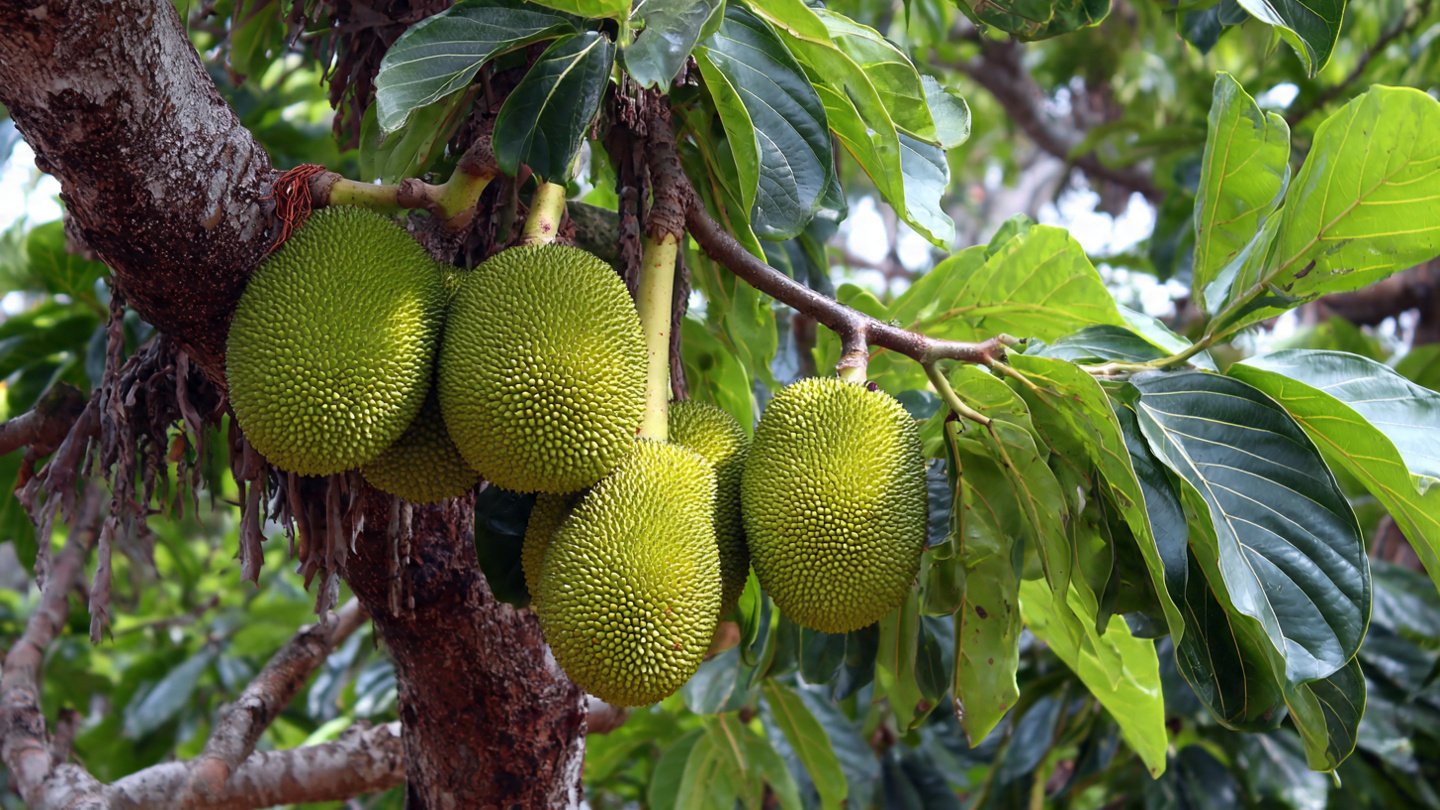
Jackfruit, known as the “king of fruits,” is valued not only for its massive, delicious fruits but also for its nutritional and economic benefits. Cultivating jackfruit trees can be a rewarding endeavor, whether for personal consumption or commercial purposes. However, growing jackfruit from seeds has its challenges: it can take 6–8 years for seed-grown trees to bear fruit, and the yield may be inconsistent. Fortunately, modern grafting techniques have revolutionized jackfruit cultivation, enabling gardeners and farmers to grow faster, stronger, and high-yield trees. In this article, we’ll explore revolutionary jackfruit grafting ideas, practical techniques, and expert tips to maximize success.
Why Graft Jackfruit Trees?
Grafting is the process of joining a branch or bud from a desired variety (scion) onto a healthy rootstock so that they grow together as one tree. While traditional propagation via seeds is possible, grafting offers several advantages:
- Faster Fruiting: Grafted trees often bear fruit in 2–3 years, compared to 6–8 years from seeds.
- Stronger Growth: Rootstock provides a sturdy foundation, improving tree vigor and resistance to environmental stress.
- Uniformity: Grafting ensures the desired fruit variety’s characteristics are maintained, including size, taste, and texture.
- High Yield: Trees grafted with superior varieties produce consistently high-quality fruits with higher output.
- Disease Resistance: Selecting healthy rootstock helps reduce susceptibility to soil-borne diseases.
Choosing the Right Rootstock and Scion
Selecting Rootstock
The rootstock determines the strength, adaptability, and disease resistance of the grafted tree. Expert tips include:
- Healthy Seedlings: Choose 6–12 month-old jackfruit seedlings with strong stems and well-developed roots.
- Vigorous Growth: Look for seedlings with upright growth and no signs of disease or pest damage.
- Soil Adaptability: Select rootstock that has thrived in your local soil and climate conditions.
Selecting the Scion
The scion is the portion of the tree that determines fruit quality. Consider the following:
- Mature Trees: Take scions from a tree that is healthy, disease-free, and already producing high-quality fruit.
- Strong Shoots: Choose 6–8 inch shoots with multiple nodes. Avoid overly soft or woody branches.
- Variety Selection: Consider traits like fruit size, taste, shelf life, and resistance to pests. Popular high-yield varieties include Black Gold, NS-1, and Dang Rasimi.
Revolutionary Grafting Techniques for Jackfruit
Experts recommend several advanced grafting techniques to improve success rates and accelerate growth.
1. Side Veneer Grafting
Side veneer grafting is widely used for jackfruit due to its high success rate.
Steps:
- Make a slanting cut about 2–3 inches long on the rootstock just above a node.
- Prepare a matching cut on the scion.
- Insert the scion into the rootstock cut, ensuring cambium layers align.
- Secure tightly with grafting tape or cling film.
- Keep in a shaded, humid environment until the graft takes (usually 3–4 weeks).
Benefits: Produces a strong union and is less stressful for both rootstock and scion.
2. Cleft Grafting
Cleft grafting is ideal for larger rootstocks or when multiple scions are being attached.
Steps:
- Split the top of the rootstock with a sharp knife or wedge.
- Prepare the scion into a wedge shape.
- Insert the scion carefully into the split, aligning cambium layers.
- Secure with grafting tape and protect from drying.
Benefits: Supports multiple scions on a single rootstock and encourages early branching.
3. Approach Grafting
Approach grafting involves connecting the scion and rootstock while both remain rooted.
Steps:
- Make matching cuts on the rootstock and scion.
- Join the cambium layers and secure with tape.
- Leave the scion attached to its parent tree until the graft heals.
- After 3–4 weeks, cut the scion from its original tree and allow it to grow on the rootstock.
Benefits: Extremely high success rate and reduced risk of graft failure. Ideal for beginners or delicate varieties.
4. Epicotyl Grafting
Epicotyl grafting uses young seedlings as rootstock, which accelerates growth significantly.
Steps:
- Germinate seeds and wait until seedlings have 4–6 true leaves.
- Prepare a scion from a mature tree.
- Insert the scion into a vertical slit in the epicotyl of the seedling.
- Wrap securely and maintain high humidity.
Benefits: Promotes faster establishment and early fruiting, often within 2–3 years.
Essential Tools and Materials
To successfully graft jackfruit, gather the following:
- Sharp grafting knife or razor blade
- Grafting tape, parafilm, or cling film
- Rooting hormone (optional, to stimulate growth)
- Clean water for keeping grafted parts hydrated
- Stakes or supports for young grafts
- Disinfectant to sterilize tools and prevent infections
Post-Grafting Care
After grafting, proper care ensures the scion takes and grows into a healthy, productive tree:
- Shading: Keep newly grafted trees in semi-shade for 2–3 weeks to reduce stress.
- Watering: Maintain consistent moisture, but avoid waterlogging.
- Pruning: Remove any shoots from the rootstock that compete with the scion.
- Fertilization: Use balanced fertilizers (NPK 10:10:10) to encourage strong growth.
- Pest Control: Monitor for sap-sucking insects, fungal infections, and other pests. Neem oil or organic sprays can protect young grafts.
Tips for Faster and Higher-Yield Jackfruit Trees
- Select Vigorous Rootstock: Rootstock with robust growth supports faster establishment.
- Use Healthy Scions: Disease-free, mature shoots are essential for high-quality fruit.
- Maintain Humidity: High humidity helps grafts heal faster. Covering with a transparent bag can help retain moisture.
- Stagger Grafting: Graft multiple scions to ensure at least one successful union.
- Regular Monitoring: Inspect grafts daily for wilting, fungal growth, or pest damage.
- Proper Training: As the vine grows, stake or trellis it to ensure upright growth and maximize sunlight exposure.
Advantages of Grafted Jackfruit Trees
- Shorter Time to Fruiting: Trees can bear fruit in 2–3 years instead of 6–8 years.
- Consistent Quality: Maintains the desired fruit size, sweetness, and aroma of the parent tree.
- High Yield: Grafted trees often produce more fruits per season.
- Resilience: Stronger rootstock ensures the tree withstands wind, drought, and pests better than seed-grown trees.
Common Challenges and Solutions
- Graft Failure: Caused by poor cambium alignment or environmental stress. Solution: Ensure tight, aligned grafts and maintain humidity.
- Pests and Diseases: Aphids, mealybugs, and fungal infections can affect young grafts. Solution: Monitor daily and use organic controls.
- Weak Scion Growth: Sometimes the scion may fail to grow vigorously. Solution: Use hormonal stimulants and proper fertilization.
Conclusion
Revolutionary grafting techniques have transformed jackfruit cultivation, enabling gardeners and farmers to grow faster, stronger, and high-yield trees. Whether you choose side veneer, cleft, approach, or epicotyl grafting, the key to success lies in careful selection of rootstock and scion, precise grafting methods, and attentive post-grafting care.
By adopting these smart techniques, you can reduce the time to fruiting, ensure high-quality harvests, and create resilient jackfruit trees that thrive in your garden. With patience, proper technique, and consistent care, your grafted jackfruit trees will reward you with abundant, delicious fruits season after season, making your garden both productive and sustainable.
Start today, experiment with grafting methods, and witness how these revolutionary techniques can transform your jackfruit cultivation journey!