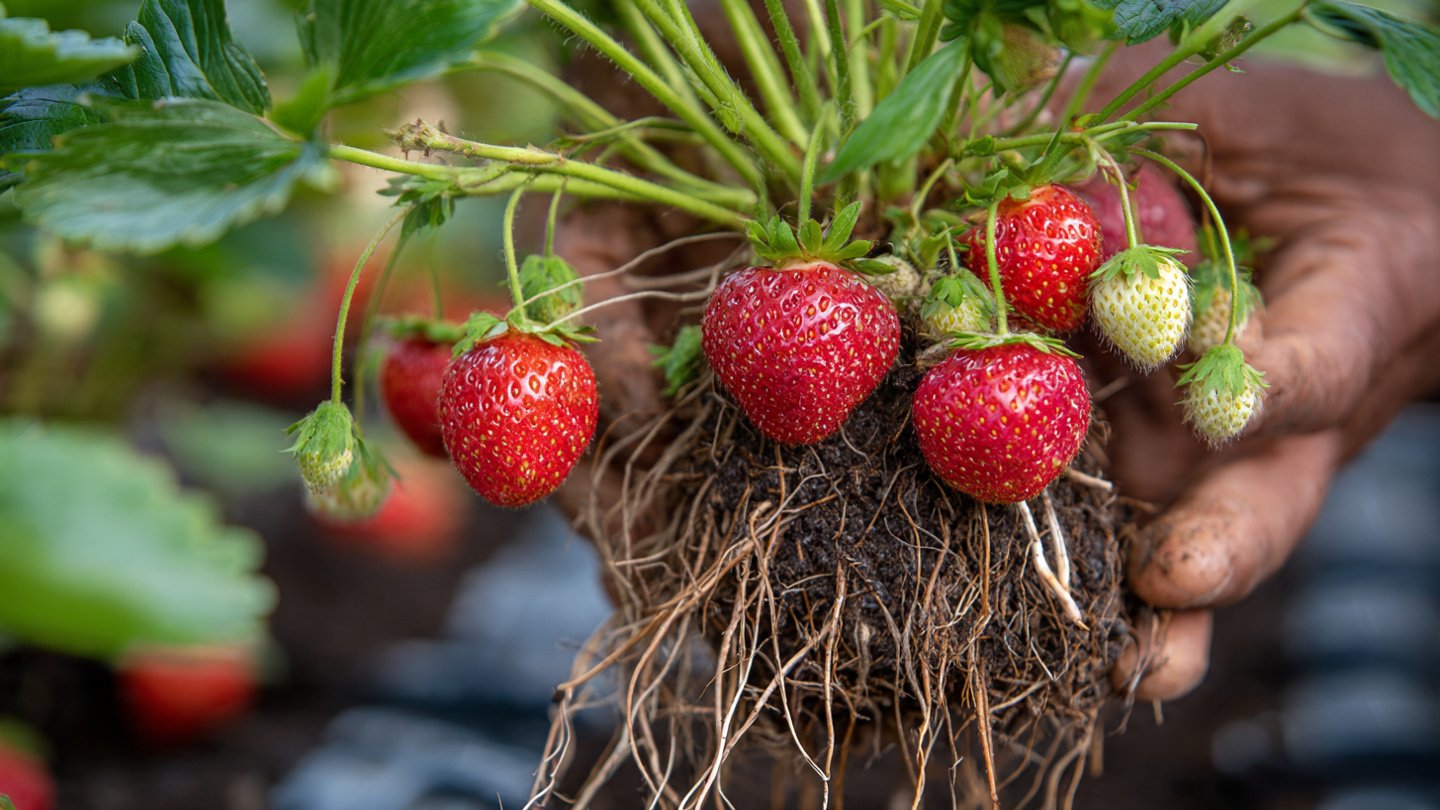
Strawberries are among the most rewarding plants for gardeners. Their sweet, juicy fruits, vibrant green foliage, and aromatic scent make them a favorite in home gardens, patios, and balcony pots. However, like any container plant, strawberries can lose vigor over time if their roots become cramped or nutrient-depleted. This is where root pruning, transplanting, and expert care come into play. By rejuvenating your potted strawberry plants, you can boost fruit production, maintain plant health, and extend the lifespan of your beloved plants.
This comprehensive guide explores practical strategies to rejuvenate strawberry plants, whether you are a beginner or an experienced container gardener.
Understanding the Importance of Rejuvenation
Potted strawberries face unique challenges compared to garden-grown plants:
- Limited soil volume: Roots can quickly fill the pot, restricting growth.
- Nutrient depletion: Over time, essential nutrients are used up, impacting plant vigor.
- Reduced fruiting: Crowded roots and old soil often result in smaller yields.
Rejuvenation through root pruning and transplanting revitalizes your plants, encouraging stronger root systems, healthier foliage, and more abundant fruit.
Step 1: Selecting the Right Time for Rejuvenation
Timing is key when rejuvenating strawberry plants:
- Early spring or late summer: These periods allow plants to recover quickly before or after the main fruiting season.
- Dormant periods: Avoid pruning or transplanting during extreme heat or full dormancy.
- Observation: If your potted strawberry shows yellowing leaves, reduced growth, or poor fruiting, it’s a clear sign that rejuvenation is needed.
Choosing the right time ensures minimal stress and optimal recovery for your strawberry plants.
Step 2: Preparing for Root Pruning
Before beginning root pruning, gather the necessary tools and materials:
- Clean, sharp pruning shears or scissors: To avoid damaging roots.
- Fresh potting soil: Nutrient-rich, well-draining soil is essential for transplanting.
- Clean pots: If transplanting to a larger pot, ensure it’s thoroughly cleaned to prevent disease.
- Water: For pre-soaking the plant and after pruning to reduce stress.
Proper preparation sets the stage for safe and effective rejuvenation.
Step 3: Removing the Strawberry Plant from the Pot
Gently removing the plant from its container is crucial to prevent root damage:
- Loosen the soil: Tap the pot or gently squeeze plastic containers to release the soil ball.
- Lift carefully: Hold the plant at the base, and slowly slide it out of the pot.
- Inspect roots: Healthy roots should be white or light tan. Dark, mushy, or foul-smelling roots indicate rot and should be trimmed.
Removing the plant carefully preserves as much of the healthy root system as possible.
Step 4: Pruning the Roots
Root pruning stimulates new growth and prevents root-bound conditions:
- Trim dead or damaged roots: Use clean scissors to cut away any brown, brittle, or rotting roots.
- Shorten long roots: Cutting excessively long roots by one-third encourages lateral growth and strengthens the root network.
- Avoid over-pruning: Remove only unhealthy or excessive roots; leaving enough roots ensures the plant can recover quickly.
Root pruning rejuvenates the plant, encouraging healthier leaves, stronger stems, and increased fruit production.
Step 5: Preparing the New Pot and Soil
The right container and soil are critical for successful transplanting:
- Choose a slightly larger pot: A 1–2 inch increase in diameter gives roots room to grow.
- Ensure drainage: Potted strawberries require well-draining soil to prevent waterlogging and root rot.
- Use nutrient-rich soil: Mix high-quality potting soil with compost or organic fertilizers to provide essential nutrients.
Fresh soil replenishes lost nutrients and gives your strawberry plants a boost after pruning.
Step 6: Transplanting Your Strawberry Plant
Once the pot and soil are ready, it’s time to replant:
- Place the plant: Center the strawberry plant in the new pot. Ensure the crown (where the roots meet the stem) is just above the soil surface.
- Fill with soil: Gently cover the roots without compacting the soil too tightly.
- Water thoroughly: Water immediately after transplanting to settle the soil and reduce transplant shock.
Proper transplanting provides the foundation for rapid recovery and continued growth.
Step 7: Post-Transplant Care
After root pruning and transplanting, care is essential to ensure your plants thrive:
- Watering: Maintain consistent moisture, keeping the soil damp but not soggy.
- Sunlight: Place the pot in a location with 6–8 hours of sunlight per day.
- Mulching: Add a layer of straw or organic mulch to retain moisture and suppress weeds.
- Avoid fertilizing immediately: Wait 1–2 weeks after transplanting before applying fertilizer to prevent stress.
Careful attention in the first few weeks supports recovery and strengthens the plant for future growth.
Step 8: Fertilization and Nutrient Management
Nutrient management is critical for rejuvenated potted strawberries:
- Balanced fertilizer: Use a 10-10-10 NPK fertilizer for healthy foliage and fruiting.
- Organic options: Compost, fish emulsion, or seaweed extract provide gentle, natural nutrition.
- Frequency: Feed every 3–4 weeks during the growing season.
- Observation: Adjust fertilization if leaves turn yellow or dark green, indicating nutrient imbalance.
Proper nutrition supports vigorous growth, strong roots, and abundant harvests.
Step 9: Encouraging Flowering and Fruiting
Rejuvenated strawberries often need encouragement to flower and produce fruit:
- Pinching runners: Remove early runners to focus energy on flowering and fruit development.
- Prune old leaves: Cutting back old, damaged foliage allows new growth and prevents disease.
- Adequate sunlight: Full sun is essential for flower formation and fruit ripening.
Following these steps ensures that your potted strawberries produce larger, sweeter fruits.
Step 10: Managing Pests and Diseases
Potted strawberries are susceptible to common pests and diseases:
- Aphids and spider mites: Spray with neem oil or insecticidal soap.
- Powdery mildew: Ensure good air circulation and avoid overhead watering.
- Root rot: Proper drainage and careful watering prevent fungal infections.
- Slugs and snails: Use barriers or traps around pots to protect the plant.
Early detection and consistent care prevent minor issues from becoming major problems.
Step 11: Seasonal Care for Potted Strawberries
Seasonal adjustments help keep potted strawberries productive year-round:
- Spring and Summer: Focus on growth, flowering, and fruiting. Ensure consistent watering and full sunlight.
- Autumn: Remove old foliage, reduce fertilization, and prepare plants for cooler temperatures.
- Winter: Protect potted strawberries from frost by moving them indoors or covering with mulch or frost cloth.
Adapting care to the season ensures continuous plant health and longevity.
Step 12: Long-Term Benefits of Rejuvenation
Rejuvenating your potted strawberries through root pruning, transplanting, and expert care provides lasting benefits:
- Extended lifespan: Healthy roots and fresh soil allow your plants to thrive for several years.
- Increased fruit production: Rejuvenated plants produce more flowers and larger, sweeter berries.
- Improved plant health: Strong roots and proper nutrients reduce susceptibility to disease.
- Enhanced aesthetic appeal: Lush, green foliage adds beauty to patios, balconies, or indoor gardens.
Regular rejuvenation ensures your strawberry plants remain productive, attractive, and easy to maintain.
Conclusion
Potted strawberry plants are a delightful addition to any home garden, but they require attention and care to remain productive over time. By root pruning, transplanting, and following expert care practices, you can rejuvenate your plants, restore vigor, and enjoy a bountiful harvest of juicy, flavorful strawberries.
This step-by-step approach—from selecting healthy plants and potatoes to post-transplant care—ensures your potted strawberries thrive year after year. With proper watering, fertilization, sunlight, and pest management, you’ll enjoy strong roots, lush foliage, and abundant fruit.
Whether you are growing strawberries on a balcony, patio, or indoors, rejuvenation is the key to long-term success. Start today with careful root pruning, a fresh pot and soil, and attentive care, and watch your strawberry plants flourish like never before.