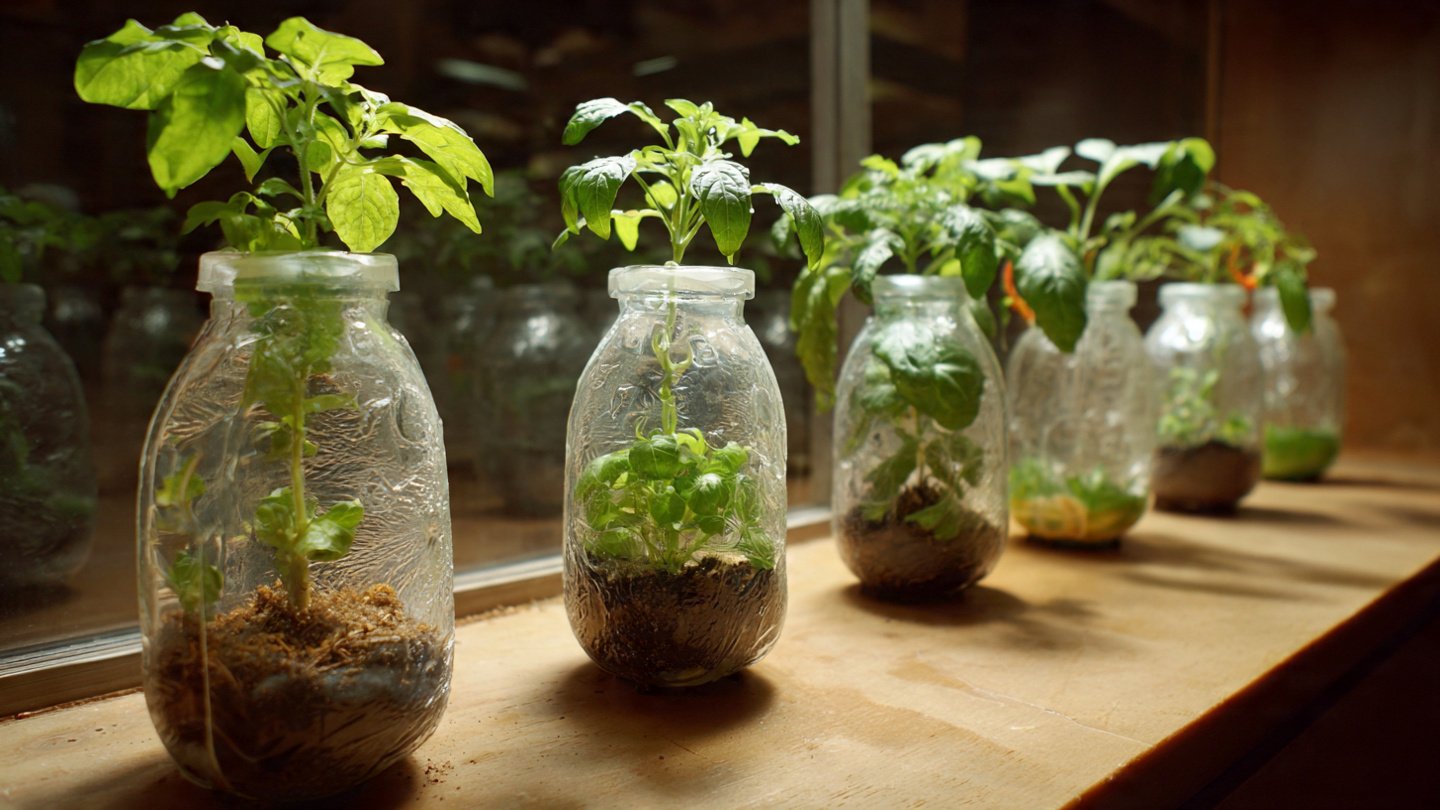
Growing your own vegetables at home doesn’t require a large backyard, expensive pots, or fancy tools. In fact, one of the simplest and most eco-friendly ways to start home gardening is by recycling plastic bottles. With just a few used bottles, some soil, and a little care, you can grow fresh, healthy vegetables right from your balcony, windowsill, terrace, or even indoors near sunlight.
Recycling plastic bottles into planters not only reduces household waste but also helps you create a sustainable food source. This method is perfect for beginners, apartment dwellers, and anyone who wants to garden on a budget. Let’s explore how you can turn everyday plastic bottles into productive vegetable gardens.
Why Use Plastic Bottles for Growing Vegetables?
Plastic bottles are lightweight, easy to find, and surprisingly versatile for gardening. Instead of throwing them away, reusing bottles gives them a second life while helping the environment.
One major advantage is space efficiency. Bottles can be placed on shelves, hung vertically, or arranged along walls, making them ideal for small spaces. They also allow better control over soil quality, watering, and plant health compared to traditional ground gardening.
Additionally, plastic bottle gardening is cost-effective. You don’t need to buy pots, grow bags, or containers. Almost everything can be made using items already available at home.
Types of Plastic Bottles You Can Use
Most common plastic bottles work well for growing vegetables, especially:
- 1–2 liter water bottles for herbs and leafy greens
- 5-liter bottles for slightly larger plants
- Soft drink bottles for shallow-rooted vegetables
- Large oil or water cans for compact root vegetables
Clear bottles are great for monitoring moisture levels, while opaque bottles help prevent algae growth. Either type works as long as proper drainage is provided.
How to Prepare Plastic Bottles for Gardening
Before planting, bottles need to be cleaned and prepared properly.
Start by washing the bottles thoroughly to remove any residue. Next, decide how you want to use them—vertically, horizontally, or as hanging planters.
For most vegetables:
- Cut the bottle horizontally or create a large side opening.
- Make small drainage holes at the bottom to prevent waterlogging.
- Smooth sharp edges to avoid injury.
If you’re hanging bottles, punch holes near the top and use strong string, wire, or rope for support.
Best Vegetables to Grow in Plastic Bottles
Not all vegetables require deep soil, which makes many of them perfect for bottle gardening.
Leafy Greens
Vegetables like spinach, lettuce, fenugreek (methi), mustard greens, and arugula grow exceptionally well in plastic bottles. They have shallow roots and grow quickly, allowing frequent harvests.
Herbs
Coriander, mint, basil, parsley, chives, and spring onions thrive in small containers. Herbs are ideal for windowsills and kitchen gardens.
Fruit Vegetables
With slightly larger bottles, you can grow cherry tomatoes, green chilies, capsicum, and baby eggplants. These need good sunlight and regular feeding.
Root Vegetables
Radishes, baby carrots, and beetroot can grow in deeper bottles. Choose varieties labeled as “short” or “round” for best results.
Choosing the Right Soil Mix
Soil quality plays a huge role in container gardening success. Garden soil alone often becomes compacted in bottles, so it’s better to prepare a light, well-draining mix.
A simple and effective soil mix includes:
- Garden soil or coco peat
- Compost or vermicompost
- Sand or perlite for drainage
This combination ensures roots receive enough oxygen, nutrients, and moisture without becoming waterlogged.
Planting Seeds or Seedlings
You can grow vegetables from seeds or transplant small seedlings into bottles.
For seeds:
- Fill the bottle with soil mix, leaving some space at the top.
- Sow seeds according to recommended depth.
- Lightly cover with soil and water gently.
For seedlings:
- Make a small hole in the soil.
- Place the seedling carefully without damaging roots.
- Firm the soil around it and water lightly.
Avoid overcrowding. One bottle should generally hold one plant, except for leafy greens, which can be grown in clusters.
Watering Tips for Bottle Gardens
Plastic bottles dry out faster than ground soil, so regular watering is essential. However, overwatering can lead to root rot.
Check moisture by touching the soil. Water only when the top layer feels dry. Morning watering is best, especially in warm climates. Drainage holes are crucial—never skip them.
You can also create a simple self-watering system by inserting a small bottle upside down with holes, slowly releasing water into the soil.
Sunlight and Placement
Most vegetables need at least 4–6 hours of sunlight daily. Place bottles on balconies, terraces, windowsills, or rooftops where they receive sufficient light.
For vertical gardens, rotate bottles occasionally to ensure even sun exposure. If sunlight is limited, leafy greens and herbs perform better than fruiting vegetables.
Feeding and Maintenance
Because plastic bottles hold limited soil, nutrients get used up faster. Feed plants every 10–15 days using compost tea, liquid seaweed, or diluted organic fertilizer.
Remove yellow leaves, check for pests, and prune plants like tomatoes and chilies to encourage bushier growth. Regular harvesting also promotes continuous production, especially for leafy vegetables.
Common Problems and Simple Solutions
- Wilting plants: Check watering frequency and sunlight exposure.
- Yellow leaves: Usually a sign of nutrient deficiency or overwatering.
- Poor growth: Improve soil quality and add organic fertilizer.
- Pests: Use neem oil spray or soap water as a natural remedy.
Early observation and quick action can prevent most issues.
Benefits of Growing Vegetables in Recycled Bottles
Recycling plastic bottles for gardening offers multiple advantages. It reduces plastic waste, saves money, and provides fresh, chemical-free vegetables. It also encourages sustainable living and teaches valuable gardening skills to children and beginners.
Homegrown vegetables taste better, are healthier, and give a sense of satisfaction that store-bought produce can’t match. Plus, watching plants grow from recycled materials is incredibly rewarding.
Final Thoughts
Recycling plastic bottles to grow vegetables at home is a simple yet powerful step toward a greener lifestyle. Whether you’re growing herbs for your kitchen, leafy greens for daily meals, or experimenting with small vegetables, plastic bottle gardening proves that you don’t need space or money to grow your own food.
With a little creativity, care, and consistency, those discarded bottles can transform into a thriving mini garden—bringing freshness, sustainability, and joy right to your home.