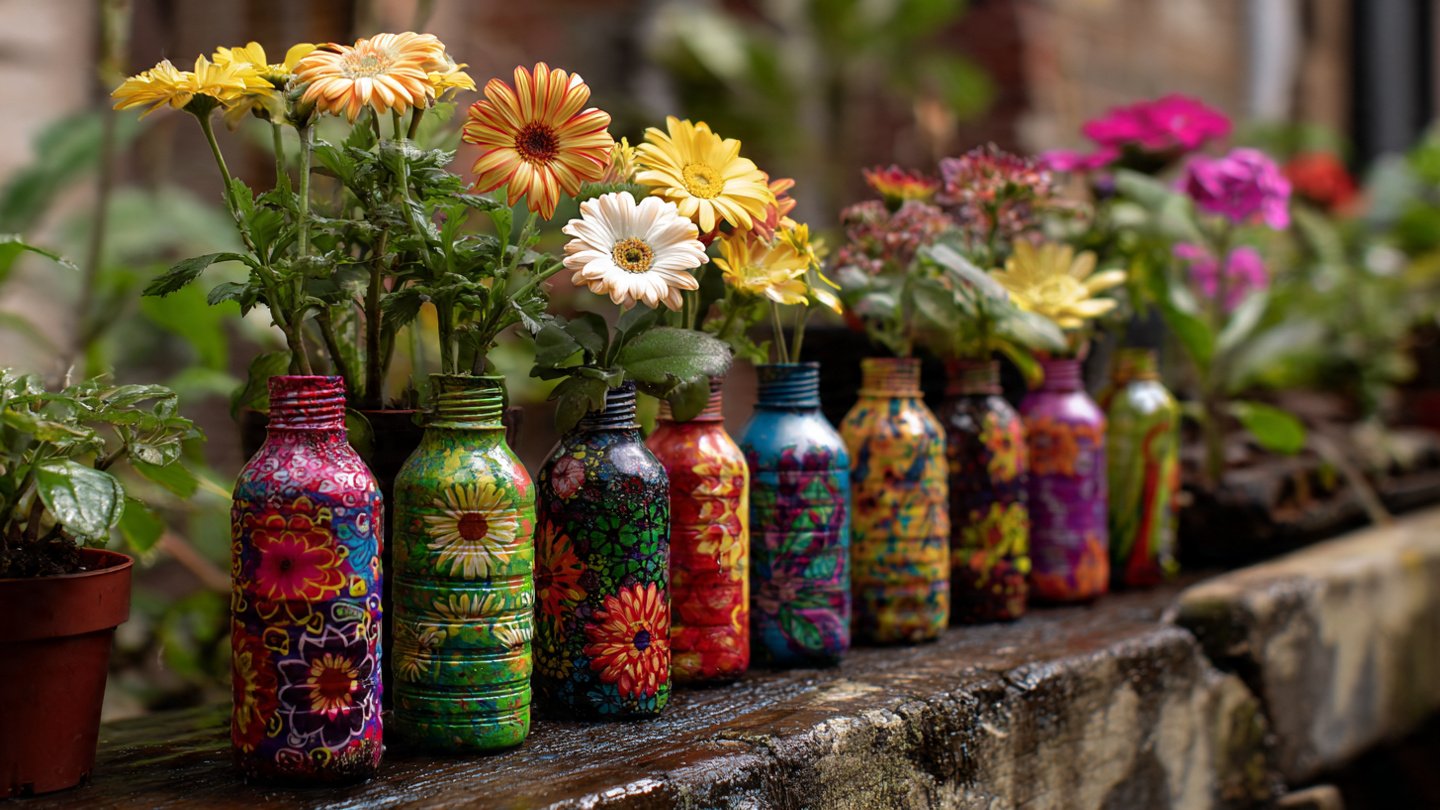
Plastic bottles are everywhere. From water and soda to cleaning products, they pile up quickly—and far too many end up in landfills or oceans. But what if those empty bottles could be transformed into something useful, creative, and beautiful? With a little imagination, plastic bottles can become charming flower pots that enhance your garden while helping the environment.
Recycling plastic bottles into flower pots is not only eco-friendly but also budget-friendly and surprisingly fun. Whether you have a large backyard, a balcony garden, or just a sunny windowsill, bottle planters offer a creative way to grow plants while reducing waste.
Why Use Plastic Bottles as Flower Pots?
Plastic bottles make excellent planters for several reasons. They are lightweight, durable, and readily available. Unlike clay or ceramic pots, plastic bottles don’t break easily and can be moved around with little effort.
Using plastic bottles also helps reduce plastic pollution. Instead of throwing bottles away after a single use, repurposing them gives the material a second life. This small action contributes to a larger environmental impact by reducing waste and promoting sustainable gardening practices.
Additionally, plastic bottle pots are incredibly versatile. They can be cut, painted, hung, stacked, or arranged in countless ways to match your garden style.
What Types of Plastic Bottles Work Best?
Not all bottles are the same, but many work well as flower pots. Common options include:
- Water bottles (1–2 liters): Ideal for herbs, small flowers, and seedlings
- Soda bottles: Great for medium-sized plants due to their sturdy structure
- Milk jugs: Perfect for larger plants or deep root systems
- Juice bottles: Their wide tops make planting and watering easier
Clear bottles allow you to see soil moisture levels and root growth, while opaque bottles prevent excess light from reaching roots. Either option works, depending on your plant’s needs.
Preparing Plastic Bottles for Planting
Before turning bottles into flower pots, proper preparation is essential.
First, wash the bottles thoroughly with soap and warm water to remove any residue. This prevents mold, odors, and potential harm to plants.
Next, decide on the shape of your planter. You can cut bottles horizontally to create bowl-style pots or vertically to make taller planters. For hanging gardens, cutting a side opening works well.
Drainage is critical. Use a heated nail, screwdriver, or drill to poke small holes in the bottom of the bottle. Without drainage, water can accumulate and cause root rot.
Once prepared, your bottle is ready for decorating and planting.
Creative Design Ideas for Bottle Flower Pots
One of the best parts of recycling plastic bottles into flower pots is the creative freedom. With simple tools and materials, you can turn plain bottles into eye-catching garden features.
Painted Bottle Pots
A coat of acrylic paint can instantly transform a plastic bottle. Choose bright colors for a playful garden or neutral tones for a modern look. Weather-resistant paint or a clear sealant helps designs last longer outdoors.
Animal and Character Pots
Cut bottle tops into shapes resembling cats, frogs, or cartoon characters. These whimsical planters are especially popular for kids’ gardens and add charm to any space.
Hanging Bottle Planters
Attach strings, wire, or rope to bottles to create hanging flower pots. These are perfect for balconies, fences, or pergolas and work beautifully for trailing plants like ivy or petunias.
Vertical Bottle Gardens
Stack or mount bottles on a wall or frame to create a vertical garden. This is an excellent solution for small spaces and urban gardens where ground space is limited.
Best Plants for Plastic Bottle Flower Pots
Not all plants thrive in small containers, but many do exceptionally well in plastic bottle pots.
Herbs
Herbs like basil, mint, parsley, thyme, and cilantro grow well in bottle planters. They don’t require deep soil and benefit from the controlled environment.
Flowers
Annual flowers such as marigolds, pansies, petunias, and begonias adapt easily to bottle pots and provide vibrant color.
Succulents
Succulents are ideal for recycled bottle planters because they require minimal water and shallow soil. Clear bottles can even showcase their unique root systems.
Vegetables
Small vegetables like lettuce, spinach, green onions, and chili peppers can thrive in larger plastic bottle pots.
Choosing the right plant ensures your recycled pots are both functional and beautiful.
Soil and Planting Tips
Use lightweight, well-draining potting soil rather than garden soil. Potting mixes prevent compaction and promote healthy root growth in confined spaces.
Fill the bottle about two-thirds full with soil, place the plant gently, and cover roots completely. Water lightly at first to help the plant settle.
Because plastic bottles don’t breathe like clay pots, avoid overwatering. Check soil moisture regularly and adjust watering based on the plant’s needs.
Benefits of Plastic Bottle Flower Pots
Recycling plastic bottles into flower pots offers multiple benefits beyond aesthetics.
- Cost-effective: No need to buy expensive planters
- Eco-friendly: Reduces plastic waste and environmental impact
- Space-saving: Ideal for balconies, windowsills, and small gardens
- Customizable: Endless design and size options
- Educational: A great way to teach children about recycling and gardening
These advantages make bottle planters a smart choice for gardeners of all skill levels.
Maintenance and Longevity
Plastic bottle pots can last for several seasons if maintained properly. Over time, sunlight may cause plastic to become brittle. Applying a protective paint or placing pots in partially shaded areas helps extend their lifespan.
Clean pots between planting cycles to prevent disease buildup. If a bottle becomes damaged, it can be easily replaced with another recycled one—no cost involved.
Common Mistakes to Avoid
While bottle planters are simple, a few mistakes can affect success:
- Forgetting drainage holes
- Overwatering plants
- Using soil that is too heavy
- Placing plants in unsuitable light conditions
Avoiding these issues ensures healthier plants and better results.
Turning Waste into Garden Beauty
Recycling plastic bottles into flower pots is more than a craft project—it’s a step toward sustainable living. Each reused bottle represents less waste, fewer resources consumed, and a greener future.
By combining creativity with environmental responsibility, you can transform everyday plastic into functional art for your garden. Whether you’re growing herbs for the kitchen, flowers for beauty, or teaching children about sustainability, plastic bottle flower pots offer endless possibilities.
Your garden doesn’t need expensive materials to thrive. Sometimes, all it takes is an empty bottle, a little soil, and a creative spark to turn waste into something truly beautiful. 🌱