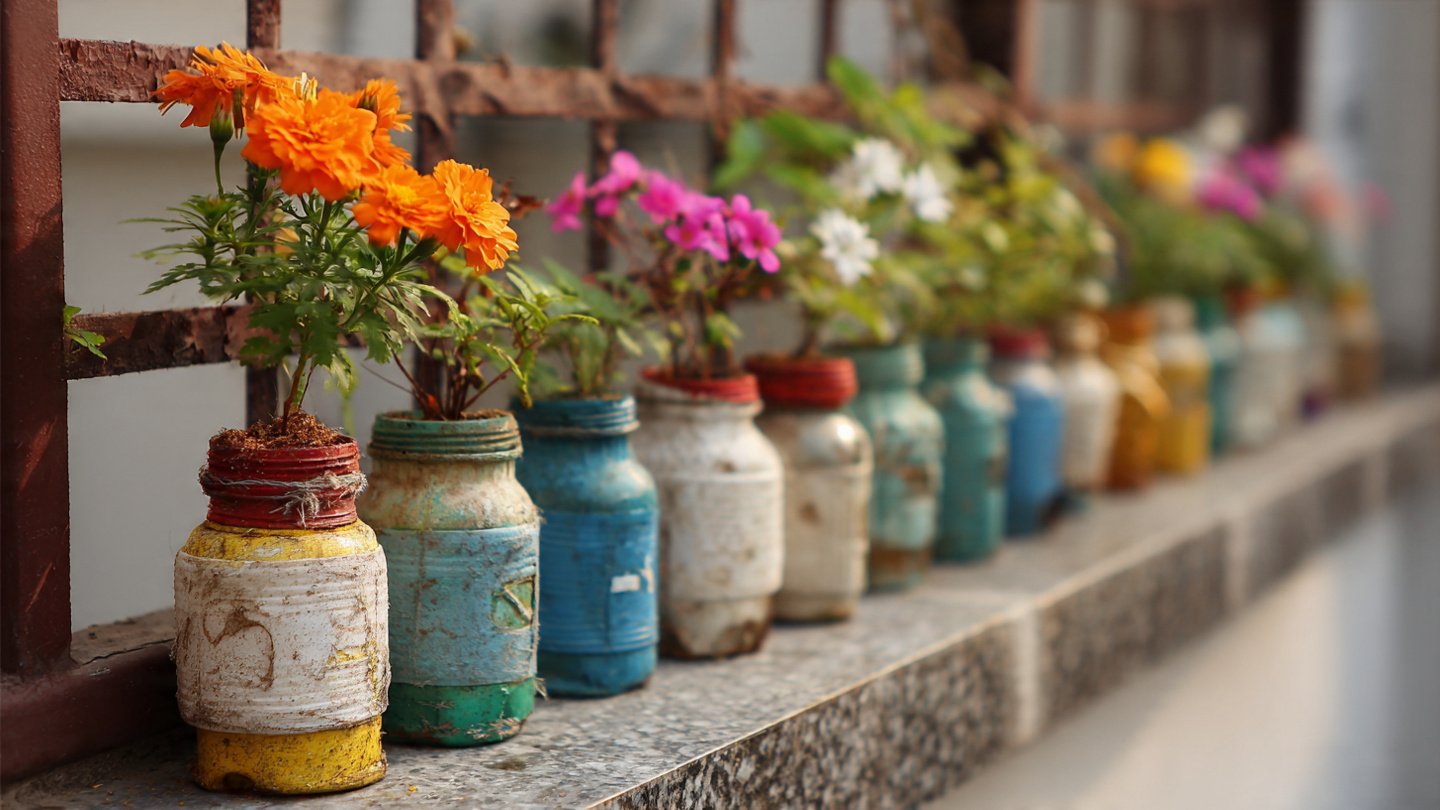
Plastic pollution has become one of the most pressing environmental challenges of our time. Every year, millions of plastic bottles are discarded after a single use, many of which end up in landfills, rivers, and oceans. Yet these bottles, often seen as waste, hold immense potential for reuse. One of the most creative and practical ways to repurpose them is by transforming plastic bottles into beautiful flower pots.
Recycling plastic bottles into plant containers combines creativity, sustainability, and gardening in a simple yet impactful way. Whether you live in a small apartment or have a spacious backyard, these DIY flower pots can help you reduce waste while adding charm and greenery to your living space. This article explores eco-friendly ideas, practical methods, and sustainable trends that make plastic bottle flower pots a popular choice for modern gardeners.
Why Recycle Plastic Bottles into Flower Pots?
Plastic bottles are lightweight, durable, and water-resistant, making them surprisingly suitable for gardening. Instead of buying new pots made from plastic or ceramic, reusing bottles reduces resource consumption and lowers your environmental footprint.
Recycled flower pots also make gardening more accessible. They cost almost nothing, can be customized endlessly, and are easy to replace if damaged. For schools, community gardens, and urban homes, plastic bottle pots offer a low-cost solution that encourages environmental awareness and hands-on creativity.
Most importantly, this practice supports a circular lifestyle, where materials are reused rather than discarded.
The Rise of Eco-Friendly DIY Gardening
Eco-friendly DIY projects have gained popularity as people seek sustainable alternatives to mass-produced products. Gardening with recycled materials is part of a larger movement toward mindful consumption and self-sufficiency.
Plastic bottle flower pots are now seen not just as recycling solutions but as design elements. Social media and eco-living platforms have showcased innovative bottle planters that look stylish, playful, and modern. This trend proves that sustainability and aesthetics can go hand in hand.
Choosing the Right Plastic Bottles
Not all plastic bottles are the same, but many can be repurposed effectively. Water bottles, soda bottles, milk jugs, and juice containers are commonly used for DIY flower pots.
Large bottles (1.5–2 liters) work well for herbs, flowers, and small vegetables. Smaller bottles are ideal for succulents or seedlings. Clear bottles allow you to observe soil moisture and root growth, while colored bottles add visual appeal.
Before use, wash bottles thoroughly and remove labels to ensure a clean and safe planting environment.
Basic Steps to Create a Plastic Bottle Flower Pot
Creating a flower pot from a plastic bottle is simple and beginner-friendly. Start by deciding whether you want a vertical, horizontal, or hanging design.
Cut the bottle carefully using scissors or a craft knife. Always add drainage holes at the bottom to prevent water from collecting and damaging roots. Fill the bottle with potting soil mixed with compost, then plant your chosen flowers or greenery.
This basic method can be adapted into countless designs, making each pot unique.
Creative DIY Flower Pot Ideas
Hanging Bottle Flower Pots
Hanging flower pots made from plastic bottles are perfect for balconies, fences, and small patios. By cutting the bottle horizontally and adding holes for string or wire, you can create lightweight planters that add vertical interest to any space. Trailing plants such as ivy, petunias, and spider plants look especially beautiful in hanging displays.
Animal-Shaped and Decorative Pots
One of the most popular DIY trends is turning plastic bottles into animal-shaped flower pots. With a bit of paint and creativity, bottles can become cats, owls, frogs, or rabbits. These playful designs are especially appealing for children’s gardens and schools, making recycling fun and engaging.
Vertical Garden Bottle Pots
Vertical gardens created from recycled bottles are ideal for urban living. Bottles can be mounted on walls or frames in rows or columns, creating a living green wall. This design saves space, improves air quality, and turns unused walls into vibrant garden features.
Self-Watering Bottle Pots
Self-watering flower pots are a practical and sustainable option. By cutting a bottle in half and inserting the top upside-down into the base, you create a water reservoir that slowly feeds the plant. This system reduces water waste and makes plant care easier, especially for busy gardeners.
Best Plants for Plastic Bottle Flower Pots
Choosing the right plants ensures success when gardening in recycled containers. Plants with shallow root systems and moderate water needs perform best.
Herbs such as basil, mint, parsley, and thyme are excellent choices. Flowers like marigolds, pansies, and petunias add color and attract pollinators. Succulents and cacti are ideal for low-maintenance setups, while leafy greens such as lettuce and spinach grow well in larger bottles.
Avoid deep-rooted plants unless using very large containers.
Maintaining Your Recycled Flower Pots
Plastic bottle flower pots require regular care to keep plants healthy. Because plastic retains heat, soil may dry out faster during warm weather. Check moisture levels frequently and water as needed.
Ensure drainage holes remain clear, and avoid overwatering. Feeding plants with organic compost or liquid fertilizer every few weeks helps maintain nutrient levels. If bottles become brittle over time due to sun exposure, replace them or move them to shaded areas.
Environmental Benefits of Plastic Bottle Gardening
Recycling plastic bottles into flower pots significantly reduces waste and helps prevent pollution. It also lowers the demand for new plastic products and conserves resources.
Gardening with recycled materials encourages eco-conscious behavior and inspires others to rethink waste. On a larger scale, these small actions contribute to environmental awareness and sustainable living practices.
Sustainable Trends in Recycled Gardening
Recycled gardening is evolving with new trends focused on design and efficiency. Minimalist planters, vertical green walls, and modular bottle systems are becoming popular in urban homes.
Community gardens and schools increasingly use recycled planters as educational tools. These trends reflect a growing desire to blend sustainability with creativity, proving that eco-friendly choices can be stylish and functional.
Teaching Sustainability Through DIY Projects
Plastic bottle flower pots are excellent educational tools. They help children and adults understand recycling, plant growth, and environmental responsibility through hands-on experience.
DIY gardening projects encourage patience, creativity, and respect for nature while making sustainability approachable and enjoyable.
Conclusion
Recycling plastic bottles into beautiful flower pots is a simple yet powerful way to combine creativity, gardening, and environmental responsibility. These eco-friendly DIY ideas transform waste into functional art while promoting sustainable living.
From hanging planters and vertical gardens to playful decorative designs, plastic bottle flower pots offer endless possibilities for homes, schools, and communities. By embracing this sustainable trend, you not only beautify your space but also contribute to a healthier planet—one recycled bottle at a time.