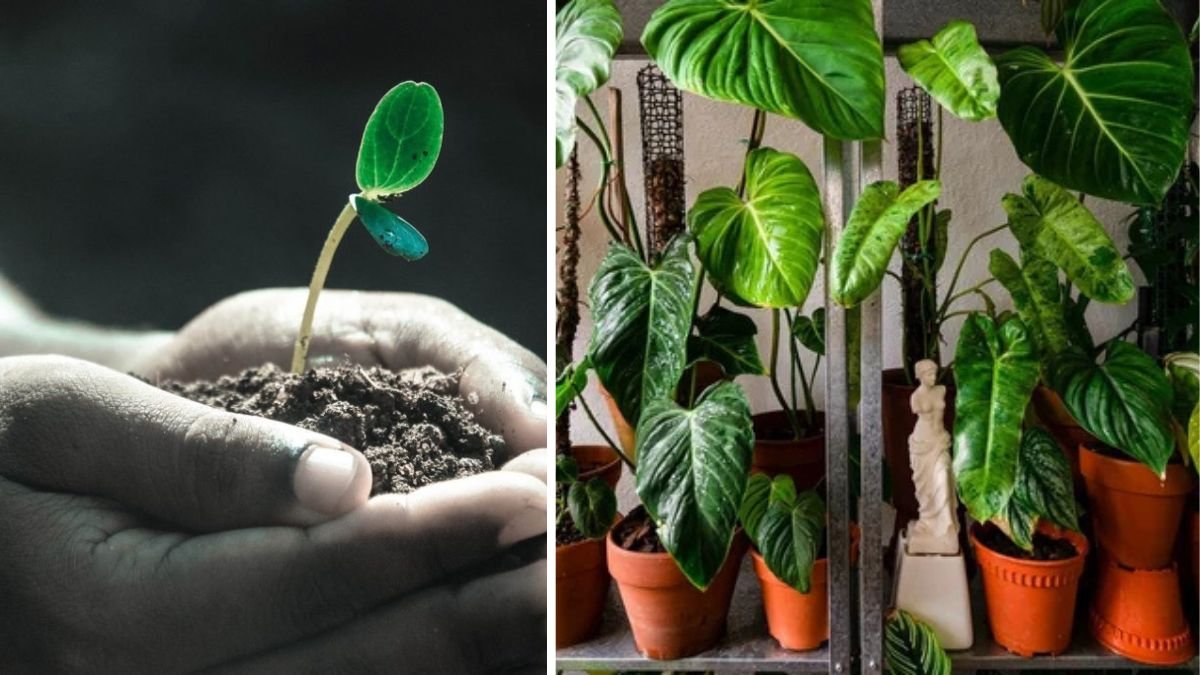
For many years, plants were thought to be silent, passive organisms that simply exist in their environment. However, recent scientific research is revealing a fascinating secret: plants can communicate with each other through touch, and this interaction can make them stronger, healthier, and more resilient. This discovery challenges traditional ideas of plant life and opens up exciting possibilities for gardeners, farmers, and anyone interested in the hidden intelligence of nature.
How Plants “Talk” to Each Other
When we talk about plants “talking,” we are not referring to words or sounds in the human sense. Plants communicate through a combination of physical contact, chemical signals, and electrical impulses. One of the most intriguing forms of communication occurs when plants touch each other—a process called thigmomorphogenesis.
Thigmomorphogenesis is the change in a plant’s growth and development in response to mechanical stimulation. This could be anything from wind brushing against leaves to the physical touch of a neighboring plant. When plants come into contact, they can sense this touch and respond in ways that affect their growth patterns, defensive mechanisms, and overall strength.
Physical Touch as a Growth Signal
Research shows that physical touch triggers a series of chemical reactions inside plants. These reactions often lead to changes in hormone levels, particularly auxins, ethylene, and jasmonates, which regulate growth, stress responses, and defense mechanisms.
For example:
- Auxins help the plant adjust its stem and root growth, allowing it to grow in a stronger, more compact form.
- Ethylene regulates stress responses and can signal neighboring plants to prepare for potential challenges.
- Jasmonates activate defensive pathways, making plants more resistant to pests and diseases.
Essentially, when plants brush against each other, they are not just physically interacting—they are exchanging information that prepares them for survival.
Benefits of Touch Communication
1. Stronger Stems and Roots
One of the most noticeable effects of plant-to-plant touch is stronger structural development. Studies have shown that plants exposed to gentle mechanical stimulation, including touch from neighboring plants, develop thicker stems and sturdier roots. This strengthens the plant’s ability to support leaves, flowers, and fruit, making it less likely to break in wind or heavy rain.
Gardeners may have noticed that seedlings grown indoors without wind or touch often have long, weak stems. Introducing gentle touch or exposure to natural airflow encourages stronger, more resilient growth—a principle similar to what happens naturally when plants touch each other in a dense forest or garden bed.
2. Enhanced Disease Resistance
When plants sense touch from neighbors, it can trigger defensive mechanisms. This is especially important in crowded environments where pests and pathogens can spread quickly. By “talking” through touch, plants alert each other to potential threats, allowing them to produce protective compounds, such as phenolics and antimicrobial enzymes, that improve their resistance to disease.
This form of communication is a type of priming, where one plant’s exposure to stress prepares neighboring plants to better cope with similar conditions. In practical gardening terms, a touch-aware plant community is better equipped to fend off insects, fungi, and bacterial infections.
3. Improved Stress Tolerance
Touch communication can also help plants withstand environmental stresses such as drought, heat, or wind. When plants sense mechanical stimulation, they often respond by tightening cell walls, adjusting leaf orientation, and reallocating energy to vital organs like roots. This adaptation improves water retention, reduces damage from extreme weather, and allows plants to survive challenging conditions.
4. Optimized Growth Patterns
Plants in dense clusters often compete for light, water, and nutrients. Touch can provide subtle cues that help plants adjust their growth to maximize resources. For instance, a plant that senses its neighbor may grow slightly taller or change its leaf angle to capture more sunlight. Conversely, a plant may reduce leaf size or growth in certain directions to conserve energy, creating a more balanced and cooperative plant community.
Evidence from Research
Several studies have explored how plants respond to touch and physical interactions:
- Mimosa pudica, the sensitive plant, reacts dramatically to touch by folding its leaves. While this is an extreme example, many plants exhibit subtler thigmomorphogenic responses.
- Research published in Plant Signaling & Behavior showed that when certain crop plants like beans and peas were touched by neighboring plants, they developed thicker stems and stronger root systems.
- Other studies indicate that touch can enhance the production of volatile organic compounds, which serve as chemical messages to nearby plants, warning them of herbivores or environmental stress.
These findings suggest that touch is not merely incidental but plays an active role in plant survival and adaptation.
Practical Implications for Gardening
Understanding that plants communicate through touch has practical applications for gardeners and growers:
1. Plant Spacing and Arrangement
While overcrowding can create competition for resources, a moderate amount of contact between plants can be beneficial. Allowing plants to brush gently against each other can stimulate thigmomorphogenic responses, leading to stronger, more resilient plants.
2. Indoor Gardening
Indoor seedlings are often grown in isolation and may lack natural mechanical stimulation. Gardeners can mimic touch by gently brushing seedlings daily with fingers or using a fan to simulate wind and plant contact. This encourages compact, sturdy growth and reduces the risk of weak, leggy stems.
3. Companion Planting
Placing compatible plants near each other can allow beneficial touch interactions to occur. For example, planting taller crops near shorter ones may result in subtle touch cues that optimize growth for both plants. Additionally, diverse plant communities can enhance disease resistance and stress tolerance through collective communication.
4. Crop Yield and Quality
In some agricultural settings, touch-induced stimulation has been shown to improve crop quality. For example, mechanically stimulated tomato plants produced sturdier stems and higher fruit yields compared to plants grown in static conditions. By understanding and harnessing touch communication, growers can optimize productivity.
How Touch Works in Nature
In natural ecosystems, touch communication is commonplace. In forests, grasslands, and dense gardens, plants constantly brush against each other. Wind, rain, and animal movement also provide mechanical stimulation. This continuous interaction strengthens plants, primes them for defense, and creates a dynamic, resilient plant community.
Even in wild plant populations, touch helps establish social networks. Plants that can sense their neighbors may grow in ways that reduce competition, share resources, and collectively resist environmental stressors. Essentially, plant communities behave as cooperative networks, communicating silently but effectively through touch.
Challenges and Considerations
While touch communication is beneficial, it’s important to remember that excessive stress can be harmful. Rough handling, over-crowding, or excessive mechanical force can damage delicate seedlings or leaves. Gardeners should aim for gentle stimulation and a balanced environment, allowing plants to benefit from touch without causing injury.
Additionally, not all plants respond equally to touch. Some species are highly sensitive, while others show minimal reaction. Understanding the needs of your specific plants is key to applying touch-based strategies effectively.
Conclusion
The idea that plants are passive, silent organisms is rapidly being replaced by a new understanding: plants are active communicators. Through touch, they can send signals, adjust growth, resist disease, and strengthen themselves. Thigmomorphogenesis—growth in response to mechanical stimulation—is a clear example of how plants interact with their environment and neighbors in ways that promote survival and resilience.
For gardeners, this knowledge provides a fascinating opportunity. By allowing gentle touch interactions, whether naturally or artificially, you can encourage stronger stems, more robust roots, and healthier, more resilient plants. Indoor gardeners can use fans or gentle brushing to mimic natural contact, while outdoor gardeners can consider plant arrangement and companion planting to facilitate beneficial interactions.
Ultimately, the discovery that plants can “talk” through touch reminds us that the natural world is far more interconnected than it may seem. Every leaf brushing another, every stem swaying in the wind, is part of a silent, intricate conversation—a conversation that makes plants stronger, healthier, and more capable of thriving in their environment.
By appreciating and harnessing this subtle communication, gardeners and farmers alike can cultivate plants that are not just surviving, but thriving, in harmony with the living network around them.