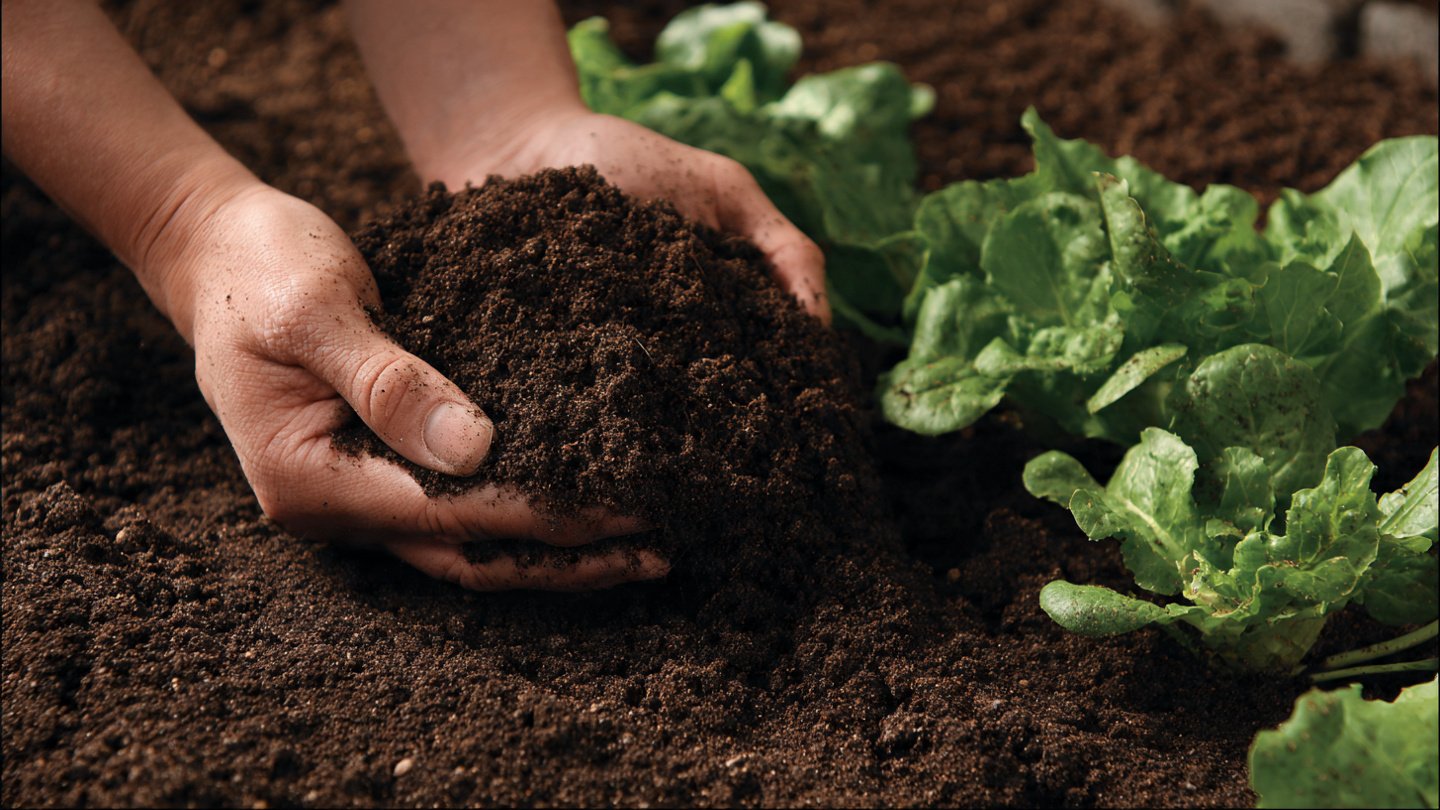
bountiful garden starts with one key ingredient: healthy, well-prepared soil. Whether you’re growing vegetables, fruits, herbs, or flowers, the quality of your soil largely determines the success of your plants. Proper soil preparation and fertilization create an ideal environment for roots to grow, nutrients to be absorbed, and crops to thrive. This complete guide will walk you through everything you need to know about preparing your soil and adding fertilizers for maximum growth and abundant harvests.
Understanding the Importance of Soil in Gardening
Soil is much more than dirt. It’s a living ecosystem that provides:
- Nutrients: Essential minerals like nitrogen, phosphorus, and potassium
- Water retention: Ability to hold water while allowing excess to drain
- Aeration: Space for roots and soil organisms to breathe
- Support: A stable base for plants to anchor their roots
Healthy soil directly impacts plant growth, crop yield, and flavor. Poor soil leads to weak plants, low productivity, and susceptibility to pests and diseases. Preparing soil properly is the first step toward a successful garden.
Testing Your Soil Before Planting
Before you amend or fertilize, you need to know what you’re working with. Soil testing helps determine:
- pH level: Most crops thrive in a pH range of 6.0–7.5
- Nutrient content: Nitrogen (N), phosphorus (P), potassium (K), and trace minerals
- Texture: Clay, sandy, or loamy soil
You can use a home soil test kit or send samples to a local extension service. Testing guides your fertilizer choice, ensures proper amendments, and prevents over- or under-fertilization.
Preparing Soil for Planting
Proper soil preparation creates a fertile, loose environment for roots. Steps include:
- Clear the area: Remove weeds, rocks, debris, and old plant material. Weeds compete for nutrients and water.
- Loosen the soil: Use a garden fork or tiller to break up compacted soil. Aim for 6–12 inches of loosened soil for most crops.
- Add organic matter: Compost, aged manure, leaf mold, or peat moss improve soil structure, moisture retention, and nutrient content.
- Level the bed: Smooth the soil surface to promote even water distribution.
Well-prepared soil encourages roots to spread deeply and absorb nutrients efficiently, directly impacting plant vigor and yield.
Understanding Fertilizer Types
Fertilizers supply nutrients that soil may lack. There are two main types:
- Organic fertilizers
- Derived from natural sources like compost, manure, bone meal, and seaweed
- Release nutrients slowly, improving soil health over time
- Enhance microbial activity, which helps nutrient absorption
- Synthetic fertilizers
- Manufactured to provide specific nutrients
- Fast-acting and concentrated
- Can boost growth quickly but may harm soil microbes if overused
Balanced fertilization often combines both, depending on your soil test results and crop needs.
Macronutrients and Their Role in Plant Growth
Understanding essential nutrients ensures proper application:
- Nitrogen (N): Promotes leafy growth and green color
- Phosphorus (P): Supports root development, flowering, and fruiting
- Potassium (K): Strengthens plants, improves disease resistance, and enhances fruit quality
- Secondary nutrients: Calcium, magnesium, and sulfur aid in cell structure and metabolic processes
- Micronutrients: Iron, zinc, manganese, boron, and copper are needed in trace amounts for healthy development
Each crop has different nutrient requirements, so tailor your fertilization strategy accordingly.
When and How to Add Fertilizer
Timing and method of fertilizer application are critical:
- Pre-plant fertilization
- Mix fertilizer into soil during preparation
- Provides a nutrient-rich environment for seedlings or seeds
- Side-dressing
- Applied around growing plants, typically during vegetative growth or fruiting
- Avoid placing fertilizer directly on roots to prevent burning
- Foliar feeding
- Nutrients sprayed directly on leaves
- Useful for rapid correction of nutrient deficiencies
Follow package instructions for synthetic fertilizers and guidelines for organic amendments to avoid over-fertilization, which can harm plants or leach into groundwater.
Soil Amendments for Optimal Growth
Amending soil improves its structure, drainage, and fertility. Key amendments include:
- Compost: Improves texture, adds nutrients, and encourages microbial activity
- Manure: Adds nitrogen and organic matter
- Lime: Raises soil pH if soil is too acidic
- Sulfur: Lowers soil pH for alkaline soils
- Perlite or sand: Enhances drainage in heavy clay soils
Amendments are combined based on soil testing results to create a perfect balance for crop growth.
Maintaining Soil Health Throughout the Season
Healthy soil is the backbone of a productive garden. Maintain it by:
- Mulching: Conserves moisture, suppresses weeds, and adds organic matter as it decomposes
- Crop rotation: Prevents nutrient depletion and reduces pest buildup
- Cover cropping: Planting legumes or green manure adds nitrogen and improves soil structure
- Avoiding compaction: Use raised beds or pathways to reduce walking on soil
Consistent care ensures that your soil remains fertile year after year.
Watering and Fertilizer Integration
Proper watering is crucial for nutrient uptake:
- Fertilizers dissolve in water, allowing roots to absorb nutrients efficiently
- Water deeply and evenly to encourage root penetration
- Avoid excessive surface watering that washes away nutrients
Combining appropriate irrigation and fertilization maximizes growth and minimizes nutrient loss.
Troubleshooting Common Soil and Fertilizer Problems
Even with preparation, issues can arise:
- Yellowing leaves: Often a nitrogen deficiency
- Poor flowering or fruiting: May indicate low phosphorus
- Weak, spindly plants: Could result from low potassium or compacted soil
- Burned roots or leaf tips: Over-fertilization or poor watering practices
Regular observation and soil testing can prevent most problems and allow corrective measures early.
Tips for Maximum Harvest
- Use raised beds or containers for better soil control
- Apply fertilizers in small, regular doses rather than one large amount
- Mix organic matter yearly to replenish soil life
- Monitor crop-specific nutrient needs
- Rotate crops to maintain nutrient balance and prevent disease
Following these practices ensures strong, healthy plants and abundant, high-quality harvests.
Final Thoughts: Soil Is the Key to Abundant Crops
Preparing soil carefully and fertilizing appropriately are the foundation of successful gardening. Perfect soil provides plants with nutrients, structure, and support, while fertilization ensures they receive the energy needed for rapid growth, abundant flowers, and high-quality fruit or vegetables. By testing, amending, and feeding your soil correctly, you can maximize crop yields and enjoy a thriving garden season after season.
Remember, healthy soil is a living ecosystem. Nurture it with care, and it will reward you with vibrant plants and bountiful harvests—turning every gardening season into a success story.