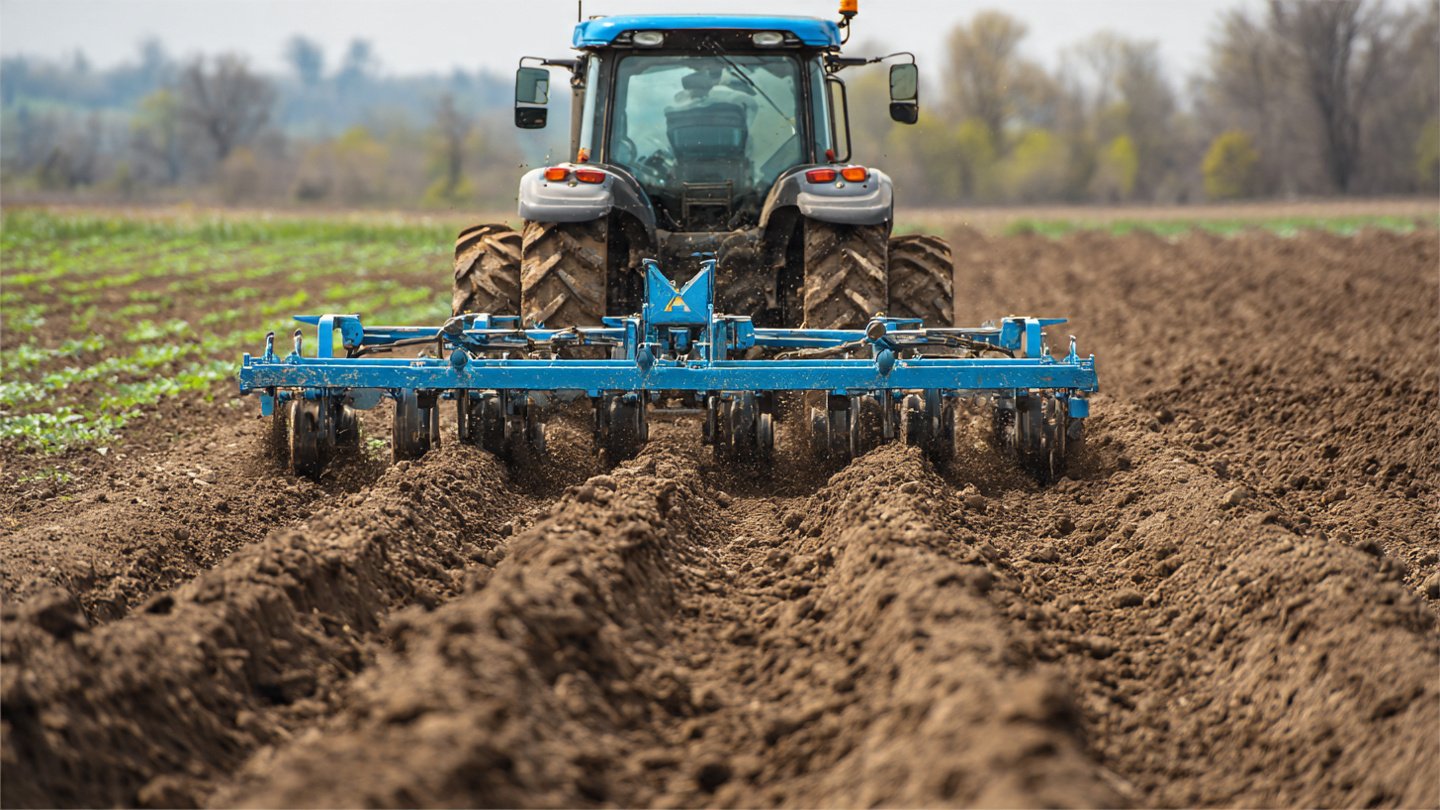
The foundation of a thriving garden isn’t just sunshine and water—it’s the soil. Healthy, well-prepared soil provides the nutrients, structure, and environment plants need to flourish. Combined with the right fertilization practices, perfect soil is the key to maximizing yields, whether you are growing vegetables, fruits, or flowers. In this guide, we’ll explore how to prepare your soil, choose the right fertilizers, and apply them correctly to ensure strong, productive plants and abundant harvests.
Why Soil Preparation Matters
Healthy soil is more than dirt; it’s a living ecosystem that supports plant growth. Proper soil preparation matters because:
- Nutrient Availability: Plants can only take up nutrients that are properly balanced and accessible in the soil.
- Root Development: Loose, aerated soil allows roots to penetrate deeply, anchoring plants and improving water and nutrient absorption.
- Water Retention and Drainage: Well-prepared soil balances moisture retention with adequate drainage to prevent root rot or drought stress.
- Disease and Pest Resistance: Healthy, balanced soil encourages strong plants that are naturally more resistant to pests and diseases.
In short, the better your soil, the stronger your plants and the larger your harvest.
Step 1: Test Your Soil
Before adding any amendments or fertilizer, it’s crucial to understand your soil’s condition:
- pH Level: Most vegetables and fruits thrive in slightly acidic to neutral soil (pH 6.0–7.0). Some plants, like blueberries or potatoes, prefer more acidic soil.
- Nutrient Content: Soil tests indicate levels of nitrogen (N), phosphorus (P), potassium (K), and secondary nutrients like calcium and magnesium.
- Texture and Structure: Knowing whether your soil is sandy, clay, or loamy helps determine what amendments are needed.
You can perform a DIY soil test kit at home or send samples to a local extension office for a professional analysis. Testing ensures you apply the right amendments and fertilizers in the correct amounts, avoiding deficiencies or excesses.
Step 2: Clear and Prepare the Planting Area
Preparing the soil starts with clearing the space:
- Remove Weeds and Debris: Weeds compete with your crops for nutrients, light, and water. Remove roots to prevent regrowth.
- Break Up Hard Soil: Use a garden fork, hoe, or tiller to loosen compacted soil, improving aeration and root penetration.
- Level the Surface: Smooth out uneven areas to ensure even watering and planting.
Proper preparation at this stage saves time later and sets the stage for strong plant growth.
Step 3: Improve Soil Structure
Soil structure affects how well it retains nutrients, drains water, and supports roots. Depending on your soil type, add the following:
- Clay Soil: Heavy clay holds water but drains poorly. Amend with sand, compost, or well-rotted manure to improve drainage and aeration.
- Sandy Soil: Drains quickly but struggles to retain nutrients. Add organic matter like compost, peat moss, or coconut coir to increase moisture and nutrient retention.
- Loamy Soil: Ideal garden soil, already balanced for drainage and fertility, but still benefits from occasional compost additions.
Incorporate 2–4 inches of compost or organic matter into the top 6–8 inches of soil for best results. This enhances soil life, improves structure, and provides nutrients for plant growth.
Step 4: Fertilizing Basics
Fertilizers provide essential nutrients that plants need in addition to what the soil naturally offers. The three main nutrients are:
- Nitrogen (N): Promotes leafy growth and healthy stems.
- Phosphorus (P): Supports root development, flowering, and fruiting.
- Potassium (K): Enhances overall plant health, improves drought resistance, and strengthens flowers and fruits.
Fertilizers come in organic (compost, manure, bone meal) and synthetic forms (granular NPK mixes, liquid fertilizers). Both can be effective if used correctly, but organic options improve soil life while synthetic fertilizers deliver quick nutrient boosts.
Step 5: Applying Fertilizer Correctly
Applying fertilizer correctly ensures plants get the nutrients they need without causing harm:
Pre-Plant Fertilization
- Incorporate Fertilizer Into Soil: Spread a balanced fertilizer over the planting area and mix it into the top 6–8 inches of soil.
- Amount: Follow the manufacturer’s recommendations based on your soil test. Overfertilizing can burn roots and damage plants.
- Timing: Apply before planting to give seedlings a nutrient-rich environment.
Side-Dressing
- When to Side-Dress: Apply fertilizer near the base of growing plants during the growing season, especially for heavy feeders like tomatoes, peppers, corn, and squash.
- How to Apply: Place fertilizer 2–4 inches away from the plant stem to avoid root burn. Water lightly afterward to help nutrients reach the roots.
Foliar Feeding
- Liquid Fertilizers: Spray nutrient solutions directly onto leaves for rapid absorption.
- Best Time: Early morning or late evening to reduce evaporation and sunburn.
- Use Cases: Effective for correcting minor deficiencies or giving a growth boost.
Correct fertilizer application balances plant needs with soil health, maximizing yields without wasting nutrients.
Step 6: Add Organic Matter for Long-Term Fertility
In addition to fertilizers, organic matter is essential for soil health:
- Compost: Adds nutrients, improves soil structure, and encourages beneficial microorganisms.
- Manure: Well-rotted manure adds nitrogen and enhances microbial activity. Avoid fresh manure, which can burn plants.
- Green Manure and Cover Crops: Plant legumes or clover to fix nitrogen in the soil and improve organic matter content.
Regular additions of organic matter improve soil fertility over time, creating a self-sustaining environment for your crops.
Step 7: Maintain Soil Moisture
Even the best-prepared soil requires proper watering to support nutrient uptake:
- Deep, Infrequent Watering: Encourages deep root growth rather than shallow roots.
- Mulching: Apply organic mulch such as straw, shredded leaves, or bark to retain moisture, regulate temperature, and suppress weeds.
- Avoid Waterlogging: Excess water can leach nutrients and damage roots. Ensure soil drains well.
Consistent moisture allows plants to absorb nutrients effectively, supporting healthy growth and abundant harvests.
Step 8: Crop Rotation and Soil Care
Maintaining soil fertility over time requires careful planning:
- Rotate Crops: Avoid planting the same family of crops in the same spot each year to prevent nutrient depletion and reduce disease risk.
- Add Amendments Between Seasons: After harvesting, top-dress beds with compost or cover crops to replenish nutrients.
- Test Soil Regularly: Check soil pH and nutrient levels every 1–2 years to adjust amendments as needed.
Healthy, regularly maintained soil is the key to consistent, high yields.
Step 9: Monitor Plant Health
Even with perfect soil, plants need attention:
- Look for Deficiency Symptoms: Yellowing leaves, stunted growth, or poor flowering indicate nutrient issues.
- Adjust Fertilization: Apply targeted nutrients if deficiencies are detected.
- Observe Growth Patterns: Healthy, vigorous growth is a sign that your soil and fertilizer strategy are working.
Monitoring allows timely adjustments to maximize plant health and productivity.
Conclusion
Perfect soil combined with correct fertilization is the foundation of a successful garden. By testing and preparing your soil, improving its structure, adding organic matter, and applying fertilizers thoughtfully, you create an environment where plants thrive. Proper soil preparation encourages strong root systems, efficient nutrient uptake, and resilient plants capable of producing maximum yields.
Remember to maintain soil health through crop rotation, organic amendments, and regular monitoring. With these strategies, your garden becomes more productive year after year, and your harvests will reflect the care you put into your soil.
Whether you’re a beginner gardener or an experienced grower, investing time in soil preparation and correct fertilization pays off in stronger plants, more flowers, and bountiful, nutritious harvests. After all, in gardening, great soil is the secret to a better harvest.