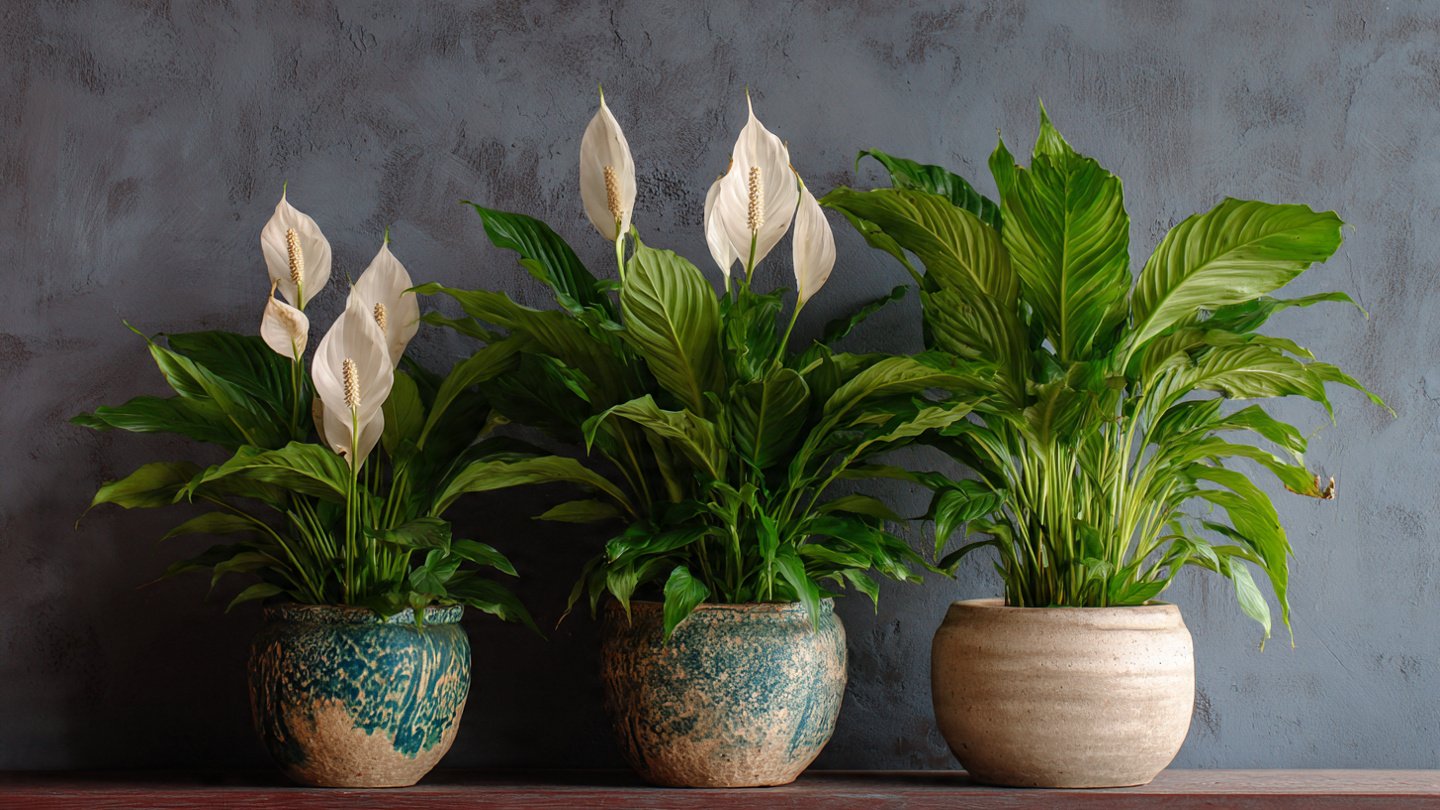
Peace lilies (Spathiphyllum spp.) are among the most popular indoor plants, admired for their elegant white blooms, glossy green foliage, and ability to thrive in low-light conditions. Their graceful appearance and relatively easy care make them a favorite for homes, offices, and public spaces. However, like all plants, peace lilies can outgrow their containers, leading to stunted growth, poor flowering, and root-related issues. Repotting is essential to maintain a healthy, vibrant plant. This guide will explain when and how to repot your peace lily to keep it flourishing.
Signs Your Peace Lily Needs Repotting
Before repotting, it’s crucial to recognize the signs that your plant has outgrown its pot. Peace lilies are slow growers, but several indicators suggest it’s time for a larger container:
- Roots emerging from drainage holes – When roots start poking out of the bottom of the pot, the plant has likely become root-bound.
- Roots circling the surface – Visible roots on top of the soil indicate the plant needs more space to grow.
- Stunted growth – If your peace lily isn’t producing new leaves or blooms, restricted roots may be limiting nutrient uptake.
- Soil dries out quickly – A root-bound plant uses water faster than normal, causing the soil to dry out soon after watering.
- Pot bulging or cracking – In extreme cases, roots can exert pressure on the container, causing physical damage.
Repotting at the right time ensures the peace lily has room to grow, promotes healthy foliage and flowers, and reduces stress on the plant.
When to Repot Your Peace Lily
Timing is key for repotting a peace lily. The goal is to minimize stress and give the plant the best chance to thrive:
- Every 1–2 years – Generally, peace lilies benefit from repotting every one to two years, depending on growth rate and pot size.
- Spring or early summer – Repotting during the plant’s active growth phase allows it to recover quickly and establish in the new soil. Avoid repotting during dormancy or winter when growth slows.
- Before or after flowering – It’s best to avoid repotting while flowers are present. Wait until blooms fade or repot just before the growth season to encourage new flowering.
Choosing the Right Pot
Selecting an appropriate container is critical for the success of your repotted peace lily:
Size
- Choose a pot that is 1–2 inches larger in diameter than the current container. Too large a pot can lead to water retention issues, root rot, and slow growth.
- Avoid excessively small pots, as they restrict root development and stunt plant growth.
Material
- Plastic pots are lightweight and retain moisture well, which is useful in dry environments.
- Terra cotta or clay pots are porous, allowing excess water to evaporate and promoting airflow to the roots.
- Ensure the pot has adequate drainage holes to prevent waterlogged soil.
Selecting the Right Soil
Peace lilies prefer loose, well-draining soil that retains some moisture while allowing excess water to escape.
Potting mix options
- A high-quality indoor potting soil enriched with organic matter works well.
- Mixes containing peat moss, perlite, or orchid bark are ideal for aeration and drainage.
- Avoid garden soil or heavy clay, which can compact and suffocate roots.
Adding a small amount of slow-release fertilizer to the soil can support the plant’s growth after repotting.
How to Repot Your Peace Lily
Repotting is a delicate process that requires care to avoid damaging roots or leaves. Follow these steps for success:
- Prepare the new pot and soil
- Fill the bottom of the new container with fresh potting mix, leaving enough space for the root ball.
- Remove the plant from its current pot
- Gently tilt the pot and tap the sides to loosen the root ball. Carefully slide the plant out, supporting the base of the stems.
- Examine the roots
- Trim away any dead, black, or mushy roots with sterilized scissors. Healthy roots should be white or light tan and firm.
- Loosen the root ball
- Gently tease apart the roots if they are tightly circling the root ball. This encourages them to grow outward into the new soil.
- Position the plant in the new pot
- Center the peace lily in the new container, making sure the top of the root ball sits about an inch below the pot’s rim.
- Add fresh soil
- Fill around the roots with potting mix, gently pressing to remove air pockets. Avoid compacting the soil too tightly.
- Water thoroughly
- Water the plant until water drains from the bottom. This helps settle the soil and reduces transplant shock.
- Post-repotting care
- Place the plant in bright, indirect light and avoid fertilizing for 4–6 weeks. This allows the roots to recover and adapt to the new soil.
Tips for Minimizing Stress During Repotting
Repotting can be stressful for any plant, including peace lilies. Reduce stress with these tips:
- Handle the plant gently, supporting both the leaves and root ball.
- Avoid repotting during extreme heat or cold.
- Keep the plant away from direct sunlight for a few days after repotting to prevent leaf burn.
- Maintain consistent moisture but do not overwater.
With careful handling, most peace lilies bounce back quickly, showing new growth within a few weeks.
Watering and Fertilizing After Repotting
After repotting, your peace lily will require attentive care to ensure proper recovery:
Watering
- Water when the top inch of soil feels dry. Newly repotted plants may need slightly more frequent watering until roots establish.
- Avoid letting the plant sit in standing water, which can cause root rot.
Fertilizing
- Wait 4–6 weeks before applying fertilizer to avoid overwhelming the stressed roots.
- Use a balanced, water-soluble fertilizer formulated for indoor plants every 4–6 weeks during the growing season.
Regular watering and appropriate fertilization help the plant regain strength and promote healthy foliage and flowering.
Encouraging Healthy Growth After Repotting
To support a thriving peace lily after repotting:
- Light: Provide bright, indirect light. Avoid direct sunlight, which can scorch leaves.
- Humidity: Peace lilies thrive in moderate to high humidity. Mist leaves or place a tray of water nearby if the indoor air is dry.
- Pruning: Remove yellowing or damaged leaves to encourage new growth and maintain the plant’s appearance.
- Monitoring: Watch for pests like spider mites or scale, which can appear during periods of stress.
Following these practices ensures your peace lily grows vigorously and produces lush foliage and beautiful blooms.
When to Expect New Growth and Blooms
Repotting gives your peace lily the space and nutrients it needs to thrive. Typically, you can expect:
- New leaf growth: Within 2–4 weeks after repotting.
- Flowering: Depending on the plant’s age and health, blooms may appear 2–6 months after repotting if conditions are optimal.
Providing the right combination of light, water, and humidity accelerates recovery and encourages flower production.
Common Mistakes to Avoid
Repotting a peace lily is straightforward if you avoid these common mistakes:
- Using a pot that is too large, which can retain excess water and lead to root rot.
- Overwatering immediately after repotting before the roots are established.
- Exposing the plant to direct sunlight, drafts, or extreme temperatures.
- Neglecting to trim damaged roots or leaves, which can stress the plant further.
- Fertilizing too soon, which can burn sensitive roots.
By avoiding these errors, your peace lily is more likely to thrive after its move to a new home.
Benefits of Repotting Your Peace Lily
Repotting a peace lily offers several advantages:
- Promotes healthy root growth – Prevents the plant from becoming root-bound.
- Encourages vibrant blooms – A well-rooted plant has the energy to produce flowers.
- Prevents disease – Fresh soil reduces the risk of pests and fungal infections.
- Improves overall plant health – More space and nutrients allow for lush foliage and vigorous growth.
A repotted peace lily is more likely to thrive and remain a striking indoor plant for years to come.
Conclusion
Peace lilies are elegant, low-maintenance houseplants that can live for many years with proper care. However, when they outgrow their pots, their health, growth, and flowering can suffer. Recognizing the signs of being root-bound, choosing the right time, and repotting carefully into fresh soil ensures that your peace lily remains vibrant and healthy. With attentive post-repotting care—including proper watering, fertilization, light, and humidity—you can enjoy lush foliage and stunning blooms for many seasons. Repotting isn’t just about giving the plant a new home—it’s an opportunity to rejuvenate your peace lily and ensure its continued success as a centerpiece in your home or office.